Physical activity and healthcare utilization in France: evidence from the European Health Interview Survey (EHIS) 2014 | BMC Public Health

Physical activity and healthcare utilization in France: evidence from the European Health Interview Survey (EHIS) 2014 | BMC Public Health

Recent statistics show that the total cost of healthcare accounted 9.6{e4f787673fbda589a16c4acddca5ba6fa1cbf0bc0eb53f36e5f8309f6ee846cf} of GDP across all the EU countries, ranging from over 11{e4f787673fbda589a16c4acddca5ba6fa1cbf0bc0eb53f36e5f8309f6ee846cf} in France, Germany, and Sweden to the lowest ratio of 5{e4f787673fbda589a16c4acddca5ba6fa1cbf0bc0eb53f36e5f8309f6ee846cf} recorded in Romania. Even if health spending grew in the previous years in line with the economy in Europe, a continuous increase of such expenses could implicate a great financial burden not only on health systems, but also on social security programs [1] and, indirectly, on society in form of reduced employment and productivity [2]. Therefore, for all EU countries, irrespective of the type of healthcare system and financing arrangement, managing the increase of health services cost is a medium- and long-term strategic objective [3]. To support this approach, it is a priority to carry out specialized studies on the population health needs, the types and frequency of the demand of health services, the factors that determine the structure and dynamics of healthcare utilization, the profile of people using the healthcare services, etc. It is equally important to assess possible means of reducing healthcare expenditure not only for ensuring access to needed care, but also for strengthening the effectiveness and the resilience of health systems [1]. In this respect, important instruments to be considered, besides cost containment policies [4] and care management strategies [5], are those related to diseases prevention and health promotion [6].

As a response to the need to prevent and control diseases and to promote a healthier lifestyle, the literature emphasizes the positive influence of physical activity on the health status of the population. It is well known that regular physical activity (1) reduces the risks for non-communicable diseases, mainly cardiovascular diseases, various types of cancer, chronic respiratory diseases and diabetes [7], (2) provides protection against future depression [8], (3) reduces stress reactions and delays the effects of various forms of dementia [9], (4) prevents the obesity, given that it is a key determinant of energy expenditure [7]. Physical activity could be considered not only as a preventive measure but also as an alternative or complementary treatment for various physical or mental health conditions. For instance, some recent studies [10,11,12,13] find consistent evidences supporting that physical activity with moderate intensity is effective in alleviating or even treating the severe symptoms of depression in affected adolescents. Interventions involving physical activity are also an accessible way of reducing the symptoms of severe anxiety or mental illness among adults, including schizophrenia-spectrum disorders, major depressive disorder, and bipolar disorder [14,15,16,17,18]. The effects of physical activity as an additional or stand-alone treatment are sustained in the case of other medical conditions such as: alcohol use disorder [19,20,21,22,23]; functional outcome after stroke [24,25,26,27,28,29,30]; cardiovascular disease [31]; type 2 diabetes [32]; cancer [33]. This double role of physical activity [34] reflects its negative association with demand of health services, which could lead to lower spending on healthcare systems [3, 35,36,37].

Studies on the relationship between physical activity and healthcare utilization

Following our critical analysis of the literature on the relationship between physical activity and healthcare utilization, several observations are noteworthy to be mentioned. These remarks concern (1) the population for which the studies were performed, (2) the indicators used as measurements for healthcare utilization, (3) the methods and means of measuring physical activity, and (4) the control variables used in modelling the relationship between physical activity and healthcare utilization.

Types of population

The first observation results from the fact that most of the existing literature examines the link between physical activity and healthcare utilization just for certain segments of the population, which could depend on factors as age, gender, a particular disease, etc. A large part of such studies concentrates on older adults [36, 38,39,40,41,42,43,44,45,46], underlining that physical activity is strongly associated with lower usage of healthcare services. According to [38], reduced physical activity, such as walking activity, could be the most promising modifiable predictor of healthcare utilization as measured by the number of drugs and number of physician contacts over 12 months among older adults. The findings of [41, 43] indicate that being physically active might lead to beneficial results and a quicker recovery for hospitalized older adults. Analyzing only the category of older women, Silva [44] concludes that higher volumes of physical activity are significantly associated with lower usage of medications in women who are involved in a physical activity program. In this research direction, there are also strong evidence suggesting that the many benefits of physical activity for older adults extend beyond better health, improved physical function, reduced impairment, independent living, and increased quality of life to include significantly reduced healthcare costs and mortality [42,43,44,45,46,47]. Another range of studies reveals the role of regular physical activity interventions in lowering the usage of health resources and services and saving a substantial amount of healthcare expenditure among people with specific health conditions, such as asthma, cardiovascular disease, obstructive pulmonary disease, arthritis, and diabetes [42, 48,49,50,51,52], or those suffering from obesity problem [42, 50, 53,54,55,56]. However, it is noteworthy that the effects on healthcare utilization and costs are likely to be a result of long-time regular physical activity behaviour rather than a short-term behaviour change [56]. Of these studies, several focus on persons engaged in clinical trials fitness activity or in health program [42, 44, 45]. While their empirical evidences support that engaging in regular physical activity only involves health benefits and therefore reduced use of some health services as hospital admissions or medicine consumption, these studies have a restrictive ability to generalize to a larger population. By contrast, the literature on using representative sample from the general population is relatively limited. In this respect, a relevant, but not exhaustive enumeration of prior studies regarding the relationship between physical activity and healthcare utilization encompasses the analyses of Katzmarzyk et al. [57], Bertoldi et al. [58], Sari [59], Maresova and Vokoun [60], Rocca et al. [2], Fernandez-Navarro [61], and Kang and Xiang [37].

Healthcare services

The second observation concerns the dependent variables used in literature. Related to the measurement of healthcare utilization, the literature is not very explicit, but a classification of studies can be outlined. One stream focuses on obtaining an objective measure of different healthcare services through medical records kept by the family doctor, the generalist or specialist physicians [44, 45], while the second stream includes a subjective (self-related) health evaluation based on the respondents data obtained from questionnaires [2, 37,38,39,40, 42, 56, 59,60,61]. Within the second approach, the measures for healthcare utilization concern both service contacts [2, 39, 42, 44, 61] and volume of services [37, 38, 40, 42, 44, 45, 56, 58,59,60]. Usually, the literature presents four categories of healthcare utilization: medicine use, expressed in number of consumed and prescribed medication, inpatient (hospitalization and home health services), outpatient (use of generalist and specialist physicians’ services) and preventive services (dental check-up, flu shot, blood pressure check-up, cholesterol check-up, blood glucose test, immunological test).

According to literature, most of the studies concern the relationship between physical activity and one or a few healthcare categories. For instance, for the association between physical activity and medicine use there are findings to support both a significant and non-significant relationship. On the one hand, higher levels of physical activity are significantly associated with lower use of medication [27, 38, 44, 58, 61]. On the other hand, an insignificant link between physical activity and the number of medication consumed was found [27, 45]. The latest results could be attributed to the fact that these studies focused only on older adults, suggesting that other factors also should be engaged in discussions related to physical activity. Other findings from literature imply also that if people are more physically active, they will use significantly fewer inpatient services [42, 56, 59, 60] or outpatient services [38, 42, 56, 59, 60]. Having an opposite effect, physical activity appears to be a stronger predictor of all types of preventive services, emphasizing that active people may be more health conscious and thus may use precautionary measures more frequently compared to inactive persons [42]. In contrast to these results, there are studies that failed to find a significant association between physical activity and the number of days spent in hospital [38], the number of home consultations from a medical professional [45] or the number of physician’s visits [45]. In addition, the home healthcare services [45] appear not to be significantly explained by leisure time physical activity. In contrast, only few studies have analyzed the relationship between physical activity and multiple categories of healthcare utilization. For instance, Fisher et al. [39] have used both service contacts (services used versus services not used) and volume of general and specialist physician services, and hospital services, while Kang and Xiang [37] have added 10 measures of preventive services, outpatient visits, home visits, emergencies, and prescribed medicine. Their results are consistent with other studies mentioned above, but they allow to obtain a more in-depth analysis of the association between physical activity and different categories of healthcare utilization.

Measurements of physical activity

Another relevant remark is related to the use of different types and measurements of physical activity in relation to healthcare utilization. The physical activity is divided into four main classes, namely leisure time, household, transportation, and work. While a vast body of research focuses only on one dimension of physical activity, especially related to leisure time [2, 39, 40, 59, 61], a more narrow range of studies considers an indicator encompassing more types of physical activities [37, 56, 58, 60]. With respect to the type of physical activity, an important issue is linked to the various methods used to measure the indicator’s levels. In this matter, Dishman et al. [62], Miles [63], Sallis [64], and Sylvia et al. [65] distinguish between objective monitors (pedometers, accelerometers, heart rate monitors, armbands, and direct observations), physiological measures of energy expenditure (doubly labelled water), and self-reports (questionnaires or activity diaries). In addition, the analysis of the literature as a whole stresses the lack of studies measuring the level of physical activity by factors such as age, gender, body weight, or psychiatric and medical co-morbidities [66]. Most empirical studies evaluate and test the differences between physical activity patterns with regard to these type of factors [37, 40, 56, 61, 67,68,69,70,71,72,73,74,75] or explore their impact on the relation between physical activity and healthcare utilization [2, 39, 42, 45, 58, 60, 61, 76], but the authors do not integrate them into the indicator’s measuring level.

Other determinants of healthcare utilization

In order to gain better insight into the relationship between physical activity and healthcare utilization, most studies include a set of variables such as demographic and socioeconomic factors, health status or health behaviour. The findings adjusted for these individual characteristics reveal that involvement in physical activity still reduces the use of healthcare utilization through its relationship with chronic diseases, physical and mental health status [38, 42, 44, 56, 61], personal health practices such as smoking and drinking [44, 58], body mass index [38, 44, 58], age [2, 38, 42, 44, 56, 58], gender – with a higher effect for men [2, 38, 42, 58, 61], educational level [2, 44], economic level [2, 58], employment status [39, 60].

Beyond the use of these factors as control variables in the relationship between physical activity and healthcare utilization, there is an extensive literature on their association with the use of healthcare services [76]. It is well known that people’s health status, including inherited diseases and conditions, requires medical care. More precisely, asthma, chronic conditions, and depression are frequently related to number of physician contacts and number of drugs. In particular, prescription drugs are most strongly associated with diseases such as coronary heart disease, diabetes, hypertension, thyroid problems, osteoporosis, and heart failure [38]. Outpatient health services are more likely to be used by those who have poor to good health status, are experiencing declining health, and have chronic diseases. Meanwhile, hospitalization is more likely among those people with poor health status or having a chronic disease. However, the prevalence of these medical conditions differs by gender, age, occupational status, and other factors. The role of age is essential since, as people age, they become more susceptible to disease and disability, which implies more frequent use of various healthcare services [77]. With regard to gender, there are wide evidence that women, having higher rates of disability and self-reported fair or poor health status than men, generally use more healthcare services than their counterparts [78]. In this respect, Salganicoff et al. [79] and NCHS [80] stress that women are more likely to have primary care visits, hospitalization or emergency visit, and to receive more diagnostic services, screening services, diet and nutrition counseling than men even though men generally have higher rates of obesity and cardiovascular problems. Individual behaviours such as smoking, excessive alcohol consumption, poor diet or obesity also cause conditions that require medical attention [81]. Concerning other socioeconomic determinants of health, the literature emphasizes that higher levels of education, having economic stability, being employed, or having community safety are correlated with better health status [81].

In summary, the relatively vast body of research on the topic of this study states that interventions aimed at increasing physical activity may result in significant reductions in healthcare utilization. In addition, most of the empirical studies outlines that this potential role of physical activity is better clarify in relation to other individual characteristics. Besides identifying the determinants and assessing their association with healthcare utilization, in the end, the empirical results of such studies must be analyzed in relation to a country’s public and/or private health system and have to serve as support for other countries by sharing successes or even failures and exchanging experiences to provide inspiration for further development, refinement and implementation of effective policies.

Physical activity in France: facts and policies

For the French population, the existing literature emphasizes a lack of physical activity and consequent sedentary behaviours, as well as a continuous degradation of these indicators in the last decades [82, 83]. Analyzing data from the ENNS study 2006–2007 and Esteban study 2014–2016, Verdot et al. [83] observe a decrease in the level of physical activity among all adult women (18–74 years old), from 63.2 to 52.7{e4f787673fbda589a16c4acddca5ba6fa1cbf0bc0eb53f36e5f8309f6ee846cf} people that are reaching the WHO recommendations on physical activity for health, while an increase is noticeable only for men (18–74 years old), from 63.2 to 70.6{e4f787673fbda589a16c4acddca5ba6fa1cbf0bc0eb53f36e5f8309f6ee846cf} [63]. The same study estimates that the prevalence of physical activity account only 50{e4f787673fbda589a16c4acddca5ba6fa1cbf0bc0eb53f36e5f8309f6ee846cf} for boys 6–17 years old and 33{e4f787673fbda589a16c4acddca5ba6fa1cbf0bc0eb53f36e5f8309f6ee846cf} for girls of the same age group. These percentages have not changed significantly between 2006 and 2016. Moreover, at the level of the EU, France is the country with the second highest prevalence of insufficient activity among school-going adolescents (86.2{e4f787673fbda589a16c4acddca5ba6fa1cbf0bc0eb53f36e5f8309f6ee846cf} in 2011 and 87.0{e4f787673fbda589a16c4acddca5ba6fa1cbf0bc0eb53f36e5f8309f6ee846cf} in 2016) [82]. For the adolescents between 11 and 14 years old it is recorded a decrease of physical activity prevalence from 38.1 to 33.7{e4f787673fbda589a16c4acddca5ba6fa1cbf0bc0eb53f36e5f8309f6ee846cf} for boys and from 23 to 20{e4f787673fbda589a16c4acddca5ba6fa1cbf0bc0eb53f36e5f8309f6ee846cf} for girls [83].

In response to this alarming reality, France was concerned to implement several national physical activity plans that include components for increasing physical activity in different sectors such as health, education, sports, transport, and workplace. In France, the integration of physical activity into public health policy dates back to the 2000s. These policies target a wide range of the population, including the people with disabilities, those suffering from chronic diseases, the elderly, the adolescents, the migrants, and other low socioeconomic groups for which specific physical activity programs are either at low cost or completely free of charge [3]. The French National Nutrition and Health Program (PNNS – Programme National Nutrition Santé), which was launched in 2001, is a public health plan that aims to improve the health status of the population by acting on one of its major determinants: nutrition. For the PNNS, nutrition is understood as the balance between food intake and physical activity. The Health Act 2004–806 also establishes certain objectives for public health policy to reduce sedentary lifestyles and increase physical activity among the French population. Another example is the accession of French specialists and institutions to the European Network for the Promotion of Health-Enhancing Physical Activity (HEPA) in 2006, one year after its launch. It should also be noted that France has taken over in various forms the guidelines formulated by The Toronto Charter for Physical Activity which was adopted in 2010 by the Global Advocacy Council of Physical Activity, International Society for Physical Activity and Health. Last but not least, in France the idea of prescribing physical activity as a treatment according to the patient’s condition, physical ability and medical risk has been formulated several times, and the idea will be implemented through the Health Act of 2016. Another successful action, called “Medicosportsanté”, is taken by the national sports federation who provides guidance on adapting sports programs for participants with chronic diseases or for the elderly. As for promoting physical activity among children and young people, an effective national intervention based on a socio-ecological approach was implemented [3]. This intervention encourages them to engage in physical activities during and outside school hours by receiving social support from parents, teachers and sports instructors. Besides the strategies countering insufficient physical activity, other recent and equally important measures to prevent diseases and promote health at the national level refer to the campaigns on tobacco and alcohol consumption and obesity among young people, raising alcohol and tobacco taxes, assessing programs and reducing work-related risks [84].

Objective and motivation

In the EU context, all member states, including France, are involved in different projects and programs in order to promote physical activity and to evaluate its relationship with population health, and health systems. The WHO strategy for physical activity underlines as major future aims the surveillance and evaluation of policy initiatives and also the strengthening of the evidence base for physical activity and health for the EU countries [85]. Such strategy requires strengthening empirical evidence and highlighting the specificity of the relationships between physical activity, healthcare, health status, and other health risk factors in the EU context for different population groups depending on gender, age, profession or geographical area. Thereby, the implementation and the efficiency of public policies promoting physical activity and population health depend to a large extent on the health system of a country, the population structure, and a number of cultural and educational factors that can cause changes and behaviours regarding the individuals’ lifestyle and health [86].

The existing literature underlines the relevance of the association between physical activity and healthcare utilization. The increase of healthcare costs and the rising pressure on health insurance and health systems determined companies and governments to recommend physical activity as well as as complementary treatment, which in the end impacts the cost of healthcare [87]. To the best of our knowledge, in the case of French population, the research on the association between physical activity and different types of healthcare utilization is still insufficiently developed. In this regard, the outcomes of Gasparini et al. [88] and Lanhers et al. [87] should be outlined, as the authors have related the lower number of medical prescription for chronically ill patients and a lower cost of medication for type 2 diabetes in older adults to high volume of physical activities. But both studies were conducted on small and restrictive samples. Despite the generalization of their findings to the entire population, Nichèle and Yen [89] limit their study to an investigation of the role of physical activity, besides other socioeconomic characteristics and lifestyle, in the link between obesity and mental health for French adults.

Moreover, while a large body of literature provides strong evidences on the impact of physical activity and health status over healthcare utilization, only a few studies address the problem of endogeneity of these two determinants. This implies that physical activity can be itself influenced by healthcare utilization, which leads to the problem of reverse causality between the two variables. For example, as physical inactivity increases the duration of hospitalization, longer stays in hospital may also be related to the likelihood of being inactive [90]. As for the relation between healthcare utilization and health status, Bilgel and Can Karahasan [91] argue that health status is endogenous for the fact that individuals may receive healthcare and observe health status. Moreover, as Sari [59] states, it is also plausible that individuals with certain health conditions can be physically inactive and, at the same time, use more healthcare services.

In compliance with all the above underlined coordinates on the existing literature and with the EU strategy for physical activity, we aim at analyzing the association between physical activity and healthcare utilization, controlled by a set of socioeconomic and demographic factors, for a French representative sample. The contribution of this paper to the existing literature is threefold. Firstly, it provides an overall analysis of the context of healthcare utilization in relation to physical activity at the national level of France. To the best of our knowledge, no such studies have been conducted using a complex set of data provided by the European Health Interview Survey (EHIS) and the Health and Social Protection Survey (ESPS) 2014. Thus, our study provides valuable insights for policy-makers on how to improve solutions or developing programs to promote physical activity for a healthy life style in France. Secondly, following the WHO global recommendations on physical activity for health, in our paper we develop a more general measurement of physical activity that includes more components/dimensions of the indicator and also considers the age group. Hence, a more accurate classification of the population depending on the type and intensity of physical activities and age is obtained, which would be further reflected in its association with healthcare utilization. Thirdly, the methodological approach employed in the empirical analysis enables to cope with the problem of endogeneity caused by unobserved heterogeneity and possible reverse causality of healthcare utilization in relation to health status and physical activity by using instrumental variables provided by the EHIS-ESPS 2014 survey.

Retirement Delays Create Challenges for Plan Sponsors Highlighting Opportunities for Financial Professionals and Consultants

Retirement Delays Create Challenges for Plan Sponsors Highlighting Opportunities for Financial Professionals and Consultants

By Amelia Dunlap

Important Takeaways:

  • In accordance to a new Nationwide Retirement Institute® study, the general outlook on retirement for Us residents has improved noticeably due to the fact 2021, as approximately a single in four personnel experience they are on the wrong observe for retirement and fewer than 6 in 10 have a optimistic outlook on their retirement program and financial investments.
  • The impacts of higher inflation, industry volatility and considerations about a long run market place crash have pushed additional older Americans to make the complicated choice to postpone the conclusion of their professions, and some now say they believe they will under no circumstances be in a position to retire.
  • The latest economic strain and uncertainty has impacted older and young employees alike the review located that workers aged 35-44 report in larger numbers than these 45+ that they really feel bewildered or panicked about their retirement designs and financial investments.
  • When evaluating workforce across sectors, our analyze discovered that general public sector staff members are considerably far more optimistic than private sector counterparts about their retirement preparedness and security.

It is no top secret that the modern economic conditions have had a sobering impact on the personal finances of millions of Us residents, many of whom are sensation like their prospective clients for a secure retirement have been dashed.

In accordance to a new Nationwide Retirement Institute® survey1, the selection of retirement program contributors who are delaying their retirement has doubled in the past 12 months. Past yr, we uncovered that the impacts of COVID-19 brought on 20{e4f787673fbda589a16c4acddca5ba6fa1cbf0bc0eb53f36e5f8309f6ee846cf} of contributors to hold off their retirement. When we circled again to this team a year afterwards, our survey revealed that difficult financial ailments due to the fact then have even more eroded the self esteem of U.S. employees – with 40{e4f787673fbda589a16c4acddca5ba6fa1cbf0bc0eb53f36e5f8309f6ee846cf} of workers now anticipating to retire later on than expected.

The impacts of large inflation, market volatility and fears about a long term market crash have pushed more older Us citizens to make the difficult determination to postpone the end of their occupations, and some now say they imagine they will in no way be capable to retire. This highlights why it’s an essential time for prepare sponsors, and the monetary pros and consultants who aid them, to help workers regain their retirement self-confidence.

For far more on retirement delays disrupting the workforce, see this infographic.

Delayed retirements are holding businesses again

The effect of this disturbing pattern is impacting extra than just workers. Strategy sponsors are experiencing broad-ranging workforce difficulties that could be main to increases in “quiet quitting.” Over two thirds of approach sponsors report delayed, or canceled retirements are a issue as it impacts their skill to seek the services of new expertise or promote younger talent. Companies are also reporting that retirement delays are raising their health and fitness and positive aspects system expenses.

These place of work decisions have begun to affect the wellbeing of employees as three in 10 system sponsors have noted negative impacts to employees’ psychological wellbeing and many are noticing reduced workforce efficiency and crew morale.

Staff are fearful about their prolonged-term protection amid a challenging economic natural environment

For American workers, the overall outlook on retirement has changed significantly due to the fact 2021, as approximately one particular in 4 workforce feel they are on the completely wrong monitor for retirement and much less than 6 in 10 have a positive outlook on their retirement strategy and financial investments.

Younger employees are also feeling the pressure. The review observed that staff aged 35-44 report in increased figures than those 45+ that they sense bewildered or panicked about their retirement strategies and financial investments.

Public sector employees extra optimistic

When evaluating staff across sectors, our review uncovered that public sector staff are much additional optimistic than private sector counterparts about their retirement preparedness and stability. The very likely motive for this variance is probably centered on the point that public sector employees are more possible to have entry to guaranteed revenue through a defined reward plan, earning their retirement outlook feel additional predictable. In point, we discovered that two thirds of workers with pensions have a optimistic outlook on their retirement designs and financial investments compared to only 57{e4f787673fbda589a16c4acddca5ba6fa1cbf0bc0eb53f36e5f8309f6ee846cf} those people with no pensions.

Businesses can enable their workforce get back retirement confidence

One particular way to assist bridge this hole may well be to give guaranteed life time profits solutions as part of the expenditure line-up inside outlined contribution options.

The very good information is that equally plan sponsors and contributors are interested in in-plan warranty financial commitment options. Our details highlights that extra than fifty percent of personnel are intrigued in certain life span revenue expense alternatives incorporated as section of a target-day fund and 70{e4f787673fbda589a16c4acddca5ba6fa1cbf0bc0eb53f36e5f8309f6ee846cf} of businesses are fascinated in incorporating a guaranteed life time revenue to their employer-sponsored retirement designs.

Workforce also voiced desire in contributing to these investment decision solutions as aspect of a managed account and nine in ten claimed they would be at least rather most likely roll in excess of retirement discounts into 1 if available by their employer.

Now is the time for businesses to get the job done with their retirement system advisor or specialist and document keepers to obtain the suitable investment remedies to tackle the challenges involved delayed retirements. Guaranteed life span earnings methods can assist set up a workforce for extended-expression economical stability and established the phase for development of the up coming generation of expertise.

Nationwide’s certain life time income methods offer approach contributors certain income for life and safety against market place volatility.

Nationwide presents instructional resources for money specialists, advisors and consultants. Plan sponsors ought to get in touch with their Nationwide agent to discover extra.


Resources and Disclaimer

1) Nationwide Retirement Institute® In System Sponsor SurveyEdelman Knowledge and Intelligence (DxI) executed an on-line study on behalf of Nationwide from July 14 – August 5, 2022.
Provisions of these selections may well vary primarily based on prepare assortment and/or by state regulation. These investment decision solutions may well not be obtainable in all states.
Guarantees are matter to the promises-paying means of the issuing coverage business.

PNW-1133AO

Browse far more on ETFtrends.com.

The sights and thoughts expressed herein are the sights and opinions of the creator and do not essentially reflect those people of Nasdaq, Inc.

This is my personal life

This is my personal life

This is my personal life

TWU junior theatre major Brenna Petersen


Nov. 10, 2022 – DENTON – Brenna Petersen is at home.

Comfortable. Relaxed and at ease, even as she’s being interviewed. Attired in a dark, loose-fitting button down blouse, dark trousers and tall Renaissance-style boots and sitting with her long legs outstretched in the green room of Texas Woman’s University’s Redbud Theatre. The room is full of TWU’s theatre company in bits of costume, cradling props and affecting English accents. No, it’s not Halloween. Petersen and her colleagues are rehearsing for a Shakespearean-era play, The Children of the Queen’s Writ.

Petersen is coming off co-starring in TWU’s season-opening play, The Effect. She’s also currently in Scrooge! The Musical for the North Texas Performing Arts. For that production, she’s assistant director. And costume coordinator.

“I feel like I need to stop doing so much,” she said. “All I really do is school, rehearsal here or rehearsal at the other theatre.”

Doesn’t leave much time for a personal life. She laughs at that.

“This is my personal life,” Petersen said.

A junior theatre major at TWU, Petersen has been in or around theatre most of her life and is closing in on 20 shows on her resume.

“She comes at this with a great deal of maturity and a sense of seriousness and responsibility,” said professor and head of the TWU Division of Theatre Patrick Bynane, who is also directing The Children of the Queen’s Writ. “I think the world of her. She’s a promising young talent. I won’t be at all surprised that 20 years from now, I hear that she’s out there with a successful career.”

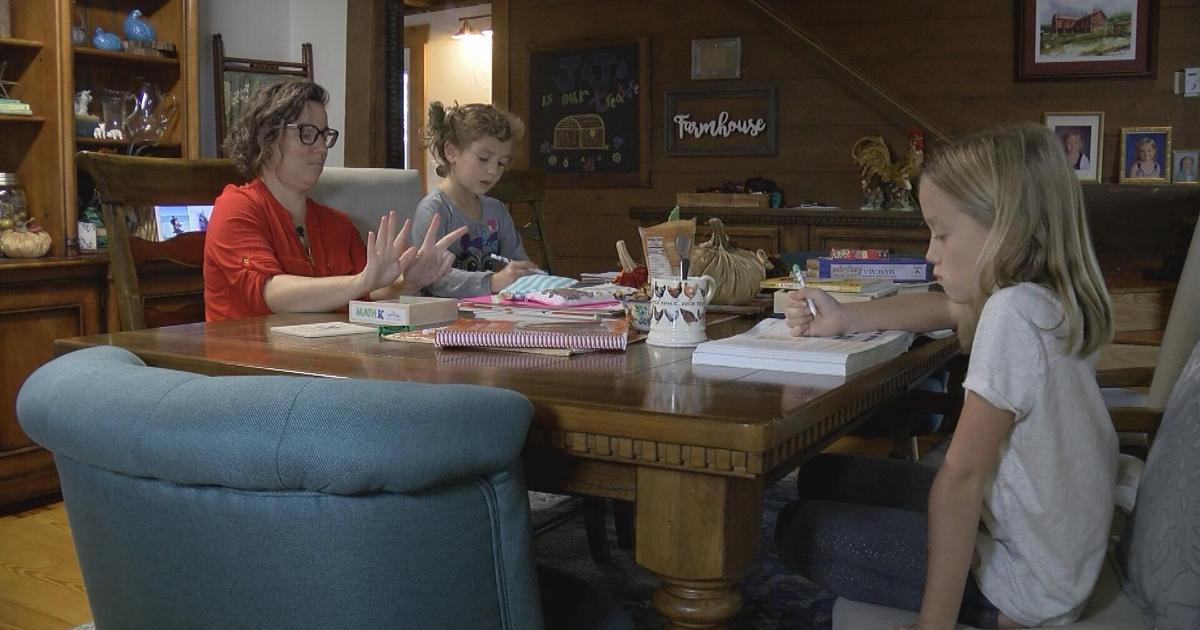
The pursuit of that career has had a number of stops along the way. Originally from Kentucky, her family moved frequently due to her father’s work as a transportation manager. That meant a lot of home schooling, made practical by her mother who is a teacher. It was the rest of her family that passed on stage fever.

“I grew up in a performative family,” Petersen said. “I have a composer for a grandfather, a classically trained mom, and all my aunts and uncles. I’ve been involved in music for a very long time.”

She had the usual youthful activities and distractions: piano (“didn’t like it”), swimming (“liked it, but it wasn’t helping me grow as a person”). She did the typical elementary school plays and musicals, but performing really took hold when Petersen was 12.

“My mom found out they were having auditions for a Rapunzel musical,” Petersen said. “I auditioned (and landed the part of the wicked witch) and that was it. I started going show to show and was constantly in one when I was about 16, and I’ve not stopped that since.

“It seemed, I don’t know, like the natural thing for me to do. Once this became a major part of my life, it definitely did shift my perspective. At 17, I was looking at shows that would expand my repertoire. This group is doing Newsies and I want to do Newsies again, but this group over here is doing Sweeney Todd and I haven’t done Sondheim before. That type of thing. But I didn’t realize at the time that that was me actually sort of subconsciously building a future.”

So subconscious, in fact, that Petersen began college as a music major, fueled by her interest in opera.

“That was a big period of adjustment to try to figure myself out,” she said. “But I realized how much I really needed to be in this world, not just doing opera. I liked working on my voice and all of that, but I thought about the theater every single day. Every single day. I was like, ‘Why am I not there?’ So I just went.

“But I think having that time to get to know myself and my goals without having my parents there or having someone tell me helped me adjust to actually being an adult.”

Brenna Petersen


Brenna Petersen

Playing adults has been part and parcel of her resume. In The Effect, she played a 47-year-old woman. In The Children of the Queen’s Writ, she plays an older man: William Shakespeare.

“We were talking with the writer (TWU associate professor of theatre Steven Young) and he mentioned a scene with Shakespeare and Richard Burbage,” Petersen said. “He explained that Shakespeare says, ‘Get your f***ing nose out of the book,’ or something like that. And I thought, I feel like I could really pull off that line. The script wasn’t available to us yet and I had no idea how big the role was. I just hoped for the best. They had me read for Shakespeare and I really, really enjoyed it.”

“We have a line in our audition form that asks, is there a specific role you wish to audition for?” Bynane said. “There’s no guarantee that they’re going to get it. We just like to know if they have a particular interest so they have a chance to be read for that role. Just about every other student said any role. She had down in her form, ‘Shakespeare.’ She really wanted to be Shakespeare. So I read her for it and she had a great read. And, lo and behold, here she is as Shakespeare.”

This is Petersen’s closest brush with Shakespeare since doing a Dr. Seuss version of Romeo and Juliet (“I had a blast with it”) when she was 16. But Petersen is no stranger to playing trouser roles – female performers portraying male characters.

“When I started in theater, my hair was pretty short,” she said. “And being tall and lanky, I gave off a more masculine vibe than a lot of the girls my age. I auditioned for a lot of trouser roles as a kid. I played trouser rolls all summer.” That includes Heathers, in which she played J.D., the antagonist made famous by Christian Slater. “I played him as a transsexual transgender man.”

Her transformation to play a 40-something balding man is substantial. Makeup (including prosthetic beard and mustache) and clothing that masculinizes her face and body, slicking her hair back to approximate Shakespeare’s retreating hairline, darkening her hair and adding an English accent. Then there’s deepening her voice.

“I’m a soprano, so playing trouser roles is more difficult for me. I have a pretty nasal speaking tone which I wasn’t aware of until I actually started paying attention,” Petersen said. “In order to denasalize it I try to resonate up in my forehead and in my chest rather than in the mask of my face. This helps me have a rounder tone. It helps me pitch lower and takes more of my personality out of it, I think.”

If you can’t already tell, Brenna Petersen is immersed in the world of theatre. That includes its backstage aspects.

“Once you have worked in some way that is not just directly on stage, you immediately have a much broader perspective of what you’re looking at.”

  • Costume coordinator: “I’ve learned how to do my research. I do a lot of historical shows, and I learned how to find the proper resources. What did they actually wear, how is this functional, if we need to mix in modern elements how do we do that?”
  • Lighting: “I had never stepped in a lighting booth and none of it made sense to me, but I had a really great teacher who is now a TWU alum, and he taught me lighting design. Now I understand better why costumes appear the way they do, why our makeup has to be the way it is, how lights can play into the theme of a show.”
  • Directing: “A whole other ballgame. You do not know how different it is to act and direct until you’ve been on the other side of the table. You can bring such an amazing story to life. Once you’ve had that experience, even if you don’t align with your director’s vision, you have a new respect for that vision and a new willingness to try everything.”


“She’s like those athletes – gym rats – that gym owners have to turn off the lights and tell them it’s time to get out of here,” Bynane said.

At TWU, the theatre rats can be found in the green room.

In every theatre, the green room is the assembly point where performers – in costume and makeup – gather before being called to the stage. Such is the case at Redbud. But when no performance is taking place, Redbud’s green room becomes a clubhouse. Until last spring, it was closed much of the time, a remnant of COVID’s isolation. Now it is a gathering point for the students who inhabit the theatre.

And it is here that Brenna becomes Bern. The button-downed stage veteran morphs into a boisterous 20-year-old with a broad, sincere smile and infectious laugh.

On this evening, most of the cast of The Children of the Queen’s Writ are present. Opening night is two weeks away, and this week the actors will no longer be allowed to carry their scripts during rehearsal. “Linus having his blanket taken away,” Bynane described the moment.

Several members of the cast are called to stage, where they practice “kisses and violence.” Raised voices and profanity reach the green room. It’s that kind of play.

In the meantime, a member of the fellowship arrives with a paper tray full of French fries. Garlic fries from Hera’s Kitchen, a new place in the Union. Without objection the fries quickly become community property.

“Up until last semester, my peers were just my peers because, you know, we couldn’t really hang out,” Petersen said. “We would do rehearsals, we’d see each other in class and then that was about it. Then they started slowly reopening the common spaces and some of the mandates started to go down. A lot of us have been in the same classes for a while and a lot of the same shows. So it’s nice to have the option where it’s just kind of natural if you’ve got some time, you can just hang out in the green room and someone’s almost definitely going to be there. It opens a lot of options for connections and conversations outside of class.

“When I was a kid, I never quite clicked with my peers,” she added. “It’s not like I didn’t get along with kids my age, I just never quite felt like I was on the same wavelength with anyone until I hit college. When I got involved in the theatre department, that was when it started to feel like I was actually clicking with people my age. My peers here are my friends, which is really nice.”

So, what’s beyond college? What are her career ambitions? Whatever it is, it will probably be on stage and not in front of a camera.

“I like how you have to live in the moment,” Petersen said of live performance. “When you’re in theater, if something’s going wrong, you fix it or you roll with it. And I’ve had moments where we really needed to fix it and roll with it, but they were funny. It worked out. There’s a lot of, I think, freedom in the knowledge that whatever is happening now, it’s happening now whether you like it or not. If someone doesn’t see the show twice, this is what they see. This is their interpretation of the story. You know, pressure, but I think it’s a nice pressure.”

On her theatrical bucket list is her favorite play, Les Misérables, the musical based on the historical fiction of Victor Hugo.

Les Mis got me into theater,” she said. “I think in 2010, my mom had it on TV. I was a kid and didn’t understand musical theater singing or anything like that. And I’m like, why is mom watching opera? And then eventually I just sat down and watched it. And that was like the beginning of the end for me. By the time I was in fourth grade, I had the complete symphonic recording, memorized every line.

“I was listening to Les Mis in the car today. I’m reading the book. I have seen many, many interpretations of it. I’ve read the abridged versions. I’ve done papers on it. I’ve talked about the symbolism. My ultimate dream role ever of all time is Enjolras in Les Mis, and I would kill it. I have a lot of feelings about Les Mis. I could talk about it for much longer than I care to admit.”

Enjolras, for those who don’t know, was a leader of the revolution and would be, for Petersen, another trouser role.

What Petersen doesn’t mind admitting is her love – bordering on addiction – for the stage. It’s here she’s made a life, and it’s here she intends to build a career.

“My ultimate career goal, at least currently, is to be in the national touring cast of a show, preferably a musical,” Petersen said. “Who knows, maybe Broadway. But I want to travel and see the country and just get to do what I love, get paid to do what I love, and travel around while I do it. You know, I feel like there’s something noble in it.”

Yep, this is definitely home.

The Children of the Queen’s Writ

Tickets for The Children of the Queen’s Writ are $10 for adults, including TWU faculty and staff, and $5 for students, children and senior citizens. The performance on Saturday, Nov. 19, at 2 p.m. is a pay-what-you-can performance for TWU students if tickets are available. Tickets are on a first-come, first-serve basis. Cash only.

Performances:

  • Wednesday, Nov. 16, 8 p.m.
  • Thursday Nov. 17, 8 p.m.
  • Friday, Nov. 18, 8 p.m.
  • Saturday, Nov. 19, 2 p.m.
  • Saturday, Nov. 19, 8 p.m.
  • Sunday, Nov. 20, 2 p.m.

The Children of the Queen’s Writ contains adult language and content, violence, and sexual situations. Viewer discretion is advised.


Page last updated 10:53 AM, November 10, 2022 


Active Tuberculosis Reported in Chula Vista Elementary School District | News

Active Tuberculosis Reported in Chula Vista Elementary School District | News

College students and employees in the Chula Vista Elementary University District (CVESD) may well have been uncovered to tuberculosis (TB) although attending Fred H. Rohr Elementary College during summer and tumble 2022 periods, the San Diego County Health and Human Expert services Agency (HHSA) announced today.

The Chula Vista Elementary Faculty District was built informed of the exposure to pupils at Rohr Elementary during the week of November 7.

HHSA General public Health Expert services and Chula Vista Elementary University District officers have worked in near collaboration to discover and notify those with a greater danger of publicity to tuberculosis and will be furnishing no-price screening to people today at elevated possibility for infection. The period of time of prospective exposure is from June 27, 2022, to August 26, 2022, at Fred H. Rohr Elementary School.

Tuberculosis is an airborne condition that is transmitted from human being to human being through inhalation of the germs from the air. Likelihood of infection are bigger for men and women with frequent and extended indoor publicity to a man or woman who is sick with TB.

“Symptoms of active TB contain persistent cough, fever, evening sweats and unexplained bodyweight decline,” stated Wilma J. Wooten, M.D., M.P.H., County public wellbeing officer. “Most folks who develop into contaminated following exposure to tuberculosis do not get unwell right away. Some who come to be contaminated with tuberculosis will develop into unwell at some issue in the future, at times even a long time later. Blood tests and skin assessments are powerful to establish regardless of whether another person has been contaminated. All people notified of a substantial hazard of exposure are inspired to receive no-price screening.”

Solutions are out there that are effective in blocking people today contaminated with tuberculosis from obtaining ill and in curing people who are unwell from active TB. It is specially crucial for persons with symptoms of energetic TB and those people who are immune-compromised to see their clinical provider to rule-out energetic tuberculosis, and soon after excluding energetic TB, to focus on preventative procedure.

Folks who would like more details on this potential exposure should really get in touch with:

  • Chula Vista Elementary University District (619)425-9600
  • County TB Regulate Plan at (619) 692-8621

The selection of annual TB cases in San Diego County has diminished considering the fact that the early 1990s and has stabilized in new a long time. There had been 201 situations reported in 2021 and 192 in 2020. As of the conclude of September, a overall of 126 instances have been claimed for this calendar year so far.

Q&A on Equity – Campus Rec Magazine

Q&A on Equity – Campus Rec Magazine

In the November/December 2022 issue, Brittany Motley, the higher training marketing consultant at the consulting company EAB, shares suggestions on fairness. 

How did you occur to be at EAB?

BM: Interestingly, I was attending a Connected meeting as a husband or wife, and I found the lack of range in the consultants. So, I questioned a female there who worked for EAB, “Where are the black consultants?” Right after a quick conversation she handed me her card and a short time later I was interviewing for EAB and trying to find to pay out it forward in the very same way for any fascinated candidates of coloration.

I adore doing work in the greater instruction sector and wished to make a larger sized influence by functioning with a number of establishments alternatively of getting used at one particular. EAB gives the scale and access for me to be in a position to do that.

Very little excites my passion a lot more than contemplating of access and fairness for underserved populations. I have normally been involved about equity in the bigger schooling sector specifically due to the fact I have both an empathetic and experiential lens on the issue. I worked with underserved pupils thoroughly, and I also identified as an underserved university student when I was in school.

All through my career in better education, I have individually witnessed students’ lives become compromised in numerous means as a final result of the larger schooling program. In my private pupil experience, I was faced with lots of barriers to earning my degree just since of my socioeconomic status. For illustration, I was preferred for FAFSA verification every yr. This brought on me to hold out up to two weeks prior to I could begin classes every single time period. Simply because of my experiences, I made a decision I wished to commit my lifestyle to ‘fixing the fairness problem’ but like a lot of other folks, I had no idea how to technique it.

Exactly where can leaders on college and university campuses commence when it arrives to performing towards increasing equity on campus?

BM: They can start out with deep reflection. Just one have to entirely understand the systemic boundaries on campus and all factors contributing to them right before trying reform. A single of my favored academic activists Paulo Freire notes “Acting without reflecting on why people are oppressed can direct to more oppression.” He advises that educators utilize praxis — combining reflection with action when imagining about how to remove systemic barriers.

How do you determine “equity gap”?

BM: Fairness gaps refer to disparities in educational outcomes and college student achievements metrics across race/ethnicity, socioeconomic standing, gender, physical or psychological abilities, and other immutable demographic features and intersectionalities. These gaps typically sign present-day practices and methods are not successfully supporting all university student groups.

I assume it’s crucial to note an equity gap is not the issue. It is generally the symptom of the dilemma: the problem of systemic oppression that is rooted in a sociohistorical context. We cannot speak about racial gaps in school degree attainment without having speaking about the residue that systemic oppression has remaining on higher schooling. Precisely, the longstanding historical past of college segregation, the legacy of redlining, and the impact of mass incarceration and the faculty-to-jail pipeline.

The disparities in our education and learning outcomes are a immediate extension of how racism, enshrined in our legal guidelines and institutions, persist into the current. If we are to close equity gaps in postsecondary education and learning, we must realize these sociohistorical contexts.

What are the most significant hurdles to closing the equity gap on campus?

BM: The most important impediment is attaining have confidence in and engagement with the initiative. In order to cultivate belief, it can take leaders to proficiently communicate what it requires to eradicate fairness gaps on campus. This is finished by way of sharing the imperative with qualitative and quantitative facts, and sharing how we systemically method this with tangible initially methods that all stakeholders can determine with.

What are two to a few greatest techniques you have seen on campuses to near the equity hole?

BM: Hold reform, retention grants, and improving upon transfer Pathways have demonstrated really powerful in creating fast and lengthy-time period wins for just about every campus that has applied them. California Point out College, Fullerton centered its fairness initiatives on holds. They audited all of their registration holds to see the info on how a lot of retains ended up becoming despatched and broke it down by ethnicity. Although this knowledge told a compelling tale of how African American and Hispanic pupils gained 10-moments extra retains in contrast to other pupils, Fullerton wanted to be absolutely sure they had been knowing the impact of holds on their learners.

Fullerton went a move additional and gathered qualitative knowledge on how students felt about their holds. They requested if college students felt encouraged or discouraged on a Likert scale when acquiring holds. Learners who acquired retains ended up extremely discouraged by them. Visualize acquiring a hold since of your socioeconomic standing, how demoralizing that might be for an underserved college student to continually be reminded in a penal way about their social identification.

I feel facts collection has to go beyond quantitative to certainly comprehend the total scope of the dilemma. The Southeastern Wisconsin cohort of faculties taking part in EAB’s Moon Shot for Equity ran hold audits at every single campus and learned specific holds experienced disproportionate effects. As a result, they altered bursar thresholds and executed retention grants to make up for unpaid balances. A person of the universities, the College of Wiscosin-Milwaukee, enrolled an further 500 college students this fall simply because of this work. It entirely removed equity gaps for learners who gained their retention grants.

What impact do better ed leaders have in conditions of impacting the social techniques on campus?

BM: Just one of the most complicated tasks for bigger education leaders is operating an establishment whilst also at the same time reinventing it — essentially acquiring to build a aircraft although flying it. EAB hosted an fairness roundtable to realize how leaders are pondering of fairness. We invited 12 institutions from distinct sectors — two- and 4-year universities — who are recognized for getting results on closing equity gaps this kind of as Georgia Condition University and the College of Houston. We then questioned them:

Which situation would you desire?
  • Circumstance A: To increase graduation rates for all college students equally.
  • Situation B: to improve the graduation prices or shut the achievement gap for an underserved population. State of affairs B implied individuals who ended up usually effective could stay the same or minimize a little bit immediately after focusing your focus to an underserved inhabitants.

The bulk of the leaders in the space picked state of affairs A, to boost grad charges equally. When asked to unpack their reasoning, lots of unveiled they “have to retain the lights on” and bigger graduation fees generate far more revenue.

As leaders started to expose their competing commitments, I experienced a revelation. Leaders can’t devote all the time and assets they could possibly like to fairness initiatives due to the fact they are so chaotic wrestling with the pressures of state funding and other fiscal needs. How often do their competing commitments impact pupil good results initiatives and their possess conclusion-making? Can institutions really find the money for to near accomplishment gaps? EAB’s Pavani Reddy formulated this provocative thought starter to fully grasp when leaders say they are interested in fairness, what do they really suggest? Did they really imply concentrating on underserved populations? Or do they want to enhance scholar results for all. Ultimately, we were gauging their desire and awareness of fairness versus equality. 

What do empathy and adaptability have to do with improving upon fairness? Why do leaders have to have these items?

BM: It’s through empathy that I changed my language of contacting college students “underrepresented,” to contacting them “underserved.” Our historically minoritized learners are in this article and represented. Where we are missing is in our incapability to “serve” said college students correctly. This change in language can for that reason shift our state of mind.

Normally our fairness initiatives start out from a deficit frame of mind, where by we discover “at-possibility students” and produce distinctive assistance for people populations. Identifying a pupil as “at-risk” can be unfair and harmful to the student. This term puts the onus on the university student for their social id — or whichever facts factors we acquire to deem students at-possibility. Shifting this onus from a university student currently being at chance of failing to an establishment currently being at chance of failing to provide all of its students correctly is vital in definitely knowledge the wants of learners.

Generally, we will see people today say:

  • “Our learners need to have a lot more grit and resilience.”
  • “They will not clearly show up.”
  • “How do we get them to care?” and so forth.

Nevertheless, I consider we often absence the reflective potential to say, “They’re not demonstrating up sure, but are we engaging them thoroughly?” Some leaders are unsuccessful to inquire on their own irrespective of whether or not the institution is correctly communicating the influence of a student’s actions or conclusions in a language they can realize. Or, most likely our pupils are not lacking in resilience or grit at all. Perhaps we really should take into consideration it an institutional failing when pupils obtain it complicated to adapt their mastering variations to a increased education program that was initially made to serve the demands of rich white students.

Wherever do school leaders want a lot more visibility in buy to properly boost fairness on their campuses?

BM: Campuses need to have extra visibility into the staff, faculty and scholar experience to genuinely understand how to enact improve. This visibility is produced by detailed facts examination and developing virtuous suggestions loops.

In doing work with associates, I ordinarily tactic fairness initiatives with the “Plan, Act, Evaluate” design with a handful of nuances outlined under:

  1. The very first location to start is to determine what fairness signifies to the institution.
  2. Outline what equity appears to be like as it relates to their strategic strategy, and their pupil good results strategic program if relevant.
  3. Soon after defining what fairness indicates and knowledge its precedence inside institution initiatives, then one particular can start off info collecting on population(s) of emphasis:
    • Dig into historical (mis)representation of populations of concentrate.
    • Gather quantitative and qualitative details to get as much perception as doable on student expertise — i.e. concentration teams with workers, school learners, neighborhood stakeholders, alumni. Be aware of stereotype danger/identification threat and implicit bias when info collecting on vulnerable populations.
  4. Soon after info assortment, then act on initiatives.
  5. Assess the impact and iterate accordingly.

Inside VCU’s big push for growing online education

Inside VCU’s big push for growing online education

Enrollment at Virginia Commonwealth University has declined four years in a row, and the university is in need of strategies for growth.

One possible answer: online education. VCU has about 1,000 fully online students out of about 28,000. It projects growing to more than 2,500 online students by 2028.

But that kind of growth may not be fast enough. VCU’s board of visitors convened Friday for its annual retreat and discussed at length the need to rapidly grow the school’s online education.

“We’re way behind on online learning,” said Ben Dendy, head of VCU’s board. “We need to move quickly.”

People are also reading…

How far VCU will go, it’s hard to say. Some universities that have pivoted to online education have gone all in. One such school, Arizona State University, saw its enrollment explode and now boasts 140,000 students, with almost half online.

Much closer to home, Liberty University in Lynchburg has nearly 100,000 students, with more than 80,000 online.


After a decade of contraction, J. Sargeant Reynolds Community College is growing again

VCU already has two fully online undergraduate programs — social work and homeland security. Social work classes meet remotely Monday through Thursday from 4 to 6:40 p.m. The homeland security program offers weekly live sessions that last 60 to 90 minutes.

To build the programs, VCU employed Noodle, a company that designs online curricula. This semester, VCU added two more, one in marketing and accounting and another in public relations and advertising.

The next fields of study will likely involve technology, business and health care, where demand is the highest.

Online students pay the same tuition as those attending in person. But administrators are still considering what kind of fees online students should pay. Some online students might still be interested in visiting gyms and attending basketball games, which are covered by the athletics fee. Students in other cities and states likely wouldn’t.

These days, it’s not enough to offer only in-person learning, said Tomikia LeGrande, VCU’s vice president for enrollment and student success. Students now expect to learn in flexible ways that meet their interests, whether it’s completely online or in a hybrid model.


George Mason University becomes state’s last public college to freeze tuition

Expanding online offerings would allow VCU to reach students in other cities and states who wouldn’t normally consider the school. High school graduates without the means to move away for college have two options — the local community college or online education. Adding online classes puts thousands of new students within VCU’s reach.

“For our survival and for us to thrive, we have to actively pursue these new markets,” LeGrande said.

VCU’s enrollment has dropped four straight years, from roughly 31,000 in 2018 to 28,400 this year. The decline in students has led to budget shortfalls, causing the university to leave open positions unfilled.

“It’s a truly competitive atmosphere,” said Todd Haymore, a member of the board.

One in four students accepted to VCU chooses to enroll, a figure known as a university’s “yield.” That number might sound low, but it’s higher than most public colleges in the state. The University of Virginia’s yield is 45{e4f787673fbda589a16c4acddca5ba6fa1cbf0bc0eb53f36e5f8309f6ee846cf}, and the College of William & Mary’s is 27{e4f787673fbda589a16c4acddca5ba6fa1cbf0bc0eb53f36e5f8309f6ee846cf}.

The areas of study within VCU with the greatest opportunity for growing their yields are humanities and sciences, engineering and business, LeGrande said. Peter Farrell, another board member, added that nothing will drive student interest more than making programs the best and the financial aid the highest.


University of Richmond removes T.C. Williams from law school name

VCU unveiled a new marketing campaign this semester in which it describes VCU in words that start with “un,” such as “unequaled opportunities,” “unleashing innovation,” “undeniable nationally recognized for diversity” and “unstoppable.”

It purchased ad space on the U.S. News & World Report website and placed its new messages on the landing pages for various colleges across the state, including William & Mary, George Mason University, James Madison University and Virginia Tech.

One model for online education is Arizona State. On Friday, VCU’s board spoke via Zoom to Michael Crowe, ASU’s president. He explained how his school went headfirst into online education during the past 20 years.

Arizona State offers in-person education, fully online classes for degree-seeking students and basic online classes such as English or math for students who aren’t yet ready for college-level classes.

Arizona State accepts every student who meets a certain academic threshold, and it doesn’t require standardized test scores. It offers 450 degree programs for undergraduates, and it constantly focuses on innovation, Crowe said.

Michael Rao, president of VCU, said he understands there will be pushback, possibly from faculty. In the world of higher education, online classes are often considered taboo.

At Arizona State, Crowe explained how he dealt with resistance. If he got buy-in from 80{e4f787673fbda589a16c4acddca5ba6fa1cbf0bc0eb53f36e5f8309f6ee846cf} of a department, the university moved forward. The other 20{e4f787673fbda589a16c4acddca5ba6fa1cbf0bc0eb53f36e5f8309f6ee846cf} could quit if necessary, he said. Too often, universities tend to be stodgy and resist innovation.

“The list of people who don’t want us to succeed is long because we’re questioning the basic model,” Crowe said.

Another barrier to adding online classes is figuring out how to scale up VCU’s current offerings. The university can’t expect faculty to figure out how to move their curricula online. Do that, and VCU will get nothing but lectures broadcast on Zoom, LeGrande said. The university is hiring staff whose job is to design quality online educational programs.

Rao expressed a feeling of urgency. “It’s time to go,” he said.