Using Small Group Check-ins to Maximize Peer Engagement and Support Social and Emotional Learning (SEL) in Online Courses

Using Small Group Check-ins to Maximize Peer Engagement and Support Social and Emotional Learning (SEL) in Online Courses

Love it or hate it, group work has its place in online higher education. Group projects provide opportunities and positive outcomes for students to take leadership roles, learn personal accountability and project management skills, network with peers, negotiate roles and workload, and more.

On the other side, especially when courses are online, the “people” factor can sometimes interfere with the positive outcomes of group projects: responsible students who take on all the work, lurkers who do not contribute but who “earn” the same grade, members who drop a course mid-project, conflict over topics and/or roles, schedules that do not allow for synchronous group meetings, and the list goes on. Some instructors avoid group work altogether in online courses because of these “people” factors and because too many students are untrained in group work skills. It seems too daunting to train students and still cover content online.

Yet, online students want more social and emotional connections with their peers, their instructors, and their content. But, can we provide these connections in online courses without going the route of group projects, especially in courses with large enrollments?

Let’s think about how small groups can work for students.

What if we take away high stakes group projects and focus on the power of small groups?

Targeted, small group check-ins can provide the means for peer engagement and for relevant social and emotional learning, both of which contribute to student retention and success. Small group check-ins centered on social and emotional learning (SEL) activities can occur throughout the semester and in multiple modalities, synchronous online meetings or asynchronous tools, and meet diverse needs and goals.

SEL scholars Stocker and Gallagher define SEL as “the development of information, mindsets, and skills that allow individuals to identify and manage their emotions, enhance their awareness of and empathy for others, and establish and work toward personal goals” (2019, p.25). Stocker and Gallagher frame SEL activities using the five components of Collaboration for Academic, Social, and Emotional Learning (CASEL): Self-Awareness, Self-Management, Responsible Decision Making, Social Awareness, and Relationship Skills (2019, p.25). Introducing SEL in the course syllabus and embedding it in course objectives and content helps students to see its value and feel prepared for check-ins.

To keep SEL check-ins relevant and out of the realm of “busy work,” instructors can align these activities with course-level learning objectives, course content, and course assessments. Scholar Ashley Taplin promotes presenting SEL activities with intention, “sharing with our students the why behind SEL content, just as we do with academic content. Explaining why we check in, why we ask students to pair up, or why we work through different problem-solving strategies is core to meaningful and successful SEL” (2021).  Instructors can choose to assign points to incentivize student participation, but creating activities that are relevant and that scaffold course content/assessments might be enough.

What activities are relevant for on-going SEL check-in meetings?

First and foremost, small group “first week” check-ins are vital for students to feel connected and to build meaningful relationships with peers. While whole group course introductions are important tools for community building, they can also feel intimidating and students can feel let down if this introduction is their opportunity for peer interaction. After the big introduction, scheduling small group check-ins right away in the first week facilitates closer connections and community building on a smaller scale. To be intentional about SEL, this initial check-in should include an introduction to SEL, it’s place in the course, and the “why” for the specific check-in (Taplin, 2021). It’s important that the first and all following check-ins include specific prompts and “why” statements, and Taplin provides a multitude of helpful examples.

Possible examples for early-in-the-semester check-in groups:

  1. Reintroduce themselves in the smaller group
  2. Brainstorm a small group guide for communicating, listening, and interacting to maintain respect, empathy, and learning. Ask that they take notes and keep this for reference
  3. Share their challenges and successes in the first week
  4. Share what they know or their questions about campus or larger community resources—where to find comfort food, student organizations, institutions for meeting religious or social needs
  5. Share their goals for reading, labs, or homework for their different courses
  6. Share their processes for conducting research and/or writing papers
  7. Share midterm changes in goals and managing time
  8. Share learning experiences
  9. Share midterm challenges and successes
  10. Share preparation strategies for final exams and final projects

How do check-ins work in terms of tools?

Small group check-ins can work for both synchronous and asynchronous online modalities. For those already holding synchronous online meeting platform sessions, breakout rooms are perfect. For those courses that are totally asynchronous, students can conduct small groups in real time or not real time (NRT). They can also use a multitude of tools, including: Blackboard, Brightspace, or Canvas group tools, subgroups in VoiceThread, Google Meet or Spaces, and other Google Suite tools, Zoom, GoToMeeting, etc. Instructors might let students decide on the tools to use or they might set up small group spaces in the LMS.

Should check-ins be graded and how should they be assessed?

If check-ins for small groups are relevant and tied to course objectives in some way, it makes sense to assign low-stakes points. In their “A Guide to Incorporating Social-Emotional Learning in the College Classroom,” Gallagher and Stocker provided students activity handouts with instructions and had students submit these via their LMS (2018, pp. 13-15). Because these check-ins are peer engagement-focused, Gallagher and Stocker did not grade content and opted for a variation of complete/incomplete and weighted the SEL activities at 5{e4f787673fbda589a16c4acddca5ba6fa1cbf0bc0eb53f36e5f8309f6ee846cf} of the total grade (2018, pp. 15-16). In this way, students had point incentives for participating in SEL activities, but they retained agency in regard to how they participated. Small group check-ins should be “safe” for social and emotional learning, keeping them low-stakes, student-centered, and student-mediated is probably the best route.

Small group SEL check-ins provide students with relevant and low-stakes opportunities for meaningful peer engagement, community building, and social and emotional learning, all of which can benefit student retention and success.


Caran Howard is an instructional development specialist at the University of Northern Iowa in Cedar Falls. In 2015, she earned a PhD in social foundations of education, with an emphasis in history of education. Howard earned her MA and BA in English, with a writing emphasis from the University of Northern Iowa (UNI). Howard has over 19 years of teaching experience in higher education and community organizations: UNI, the University of Iowa, Wartburg College, Hawkeye Community College, the Hearst Center for the Arts, and adult education.

References:

Aguilar, M. (September 16, 2021). 5 Adaptable SEL Strategies for In-Person or Distance Learning. Edutopia. Accessed September 30, 2021. https://www.edutopia.org/article/5-adaptable-sel-strategies-person-or-distance-learning

Dougan, R. Social Emotional Learning (SEL) Guidebook: Ideas for Incorporating SEL Activities into Your Classroom. Diablo Valley College. Accessed September 30, 2021. https://www.dvc.edu/faculty-staff/pdfs/SEL-Guidebook.pdf

Elmi, C. (2020). Integrating Social Emotional Learning Strategies in Higher Education. European Journal of Investigation in Health, Psychology, and Education. Accessed September 30, 2021. https://www.mdpi.com/2254-9625/10/3/61/pdf

Eva, A. L. (February 25, 2019). How to Take SEL to the Next Level at Your School. Greater Good Magazine: Science-Based Insights for a Meaningful Life. University of California Berkeley. Accessed September 30, 2021. https://greatergood.berkeley.edu/article/item/how_to_take_sel_to_the_next_level_at_your_school

Gallagher, K. M., and Stocker, S. L. (2018). A Guide to Incorporating Social-Emotional Learning in the College Classroom: Busting Anxiety, Boosting Ability. Society for the Teaching of Psychology. Accessed September 30, 2021. https://teachpsych.org/resources/Documents/otrp/resources/Gallagher{e4f787673fbda589a16c4acddca5ba6fa1cbf0bc0eb53f36e5f8309f6ee846cf}20and{e4f787673fbda589a16c4acddca5ba6fa1cbf0bc0eb53f36e5f8309f6ee846cf}20Stocker{e4f787673fbda589a16c4acddca5ba6fa1cbf0bc0eb53f36e5f8309f6ee846cf}20SEL{e4f787673fbda589a16c4acddca5ba6fa1cbf0bc0eb53f36e5f8309f6ee846cf}20Manual{e4f787673fbda589a16c4acddca5ba6fa1cbf0bc0eb53f36e5f8309f6ee846cf}20-{e4f787673fbda589a16c4acddca5ba6fa1cbf0bc0eb53f36e5f8309f6ee846cf}20FULL.pdf

Kachani, S., Irvin, A., and Ross, C. (May 24, 2021). What College Students Wish Professors Knew About Inclusive Online Teaching. EdSurge. Accessed October 5, 2021. https://www.edsurge.com/news/2021-05-24-what-college-students-wish-professors-knew-about-inclusive-online-teaching

Murphy, M. C., Boucher, K., and Logel, C. (January 19, 2021). How to Help Students Feel a Sense of Belonging During the Pandemic. Greater Good Magazine: Science-Based Insights For A Meaningful Life. University of California Berkeley. Accessed October 5, 2021. https://greatergood.berkeley.edu/article/item/how_to_help_students_feel_a_sense_of_belonging_during_the_pandemic

Quirk, J. M., and Quirk, J. P. (July 20, 2020). What Incoming First-Year Students Want Online Learning to Be. Educause Review. Accessed October 5, 2021. https://er.educause.edu/articles/2020/7/what-incoming-first-year-students-want-online-learning-to-be

SEL in Higher Ed [Research Guide]. Inside SEL. Accessed September 30, 2021. https://insidesel.com/research-guides/sel-in-higher-ed/

Stocker, S. L., and Gallagher, K. M. (January 24, 2018). Alleviating and Altering Appraisals: Social-Emotional Learning in the College Classroom. College Teaching. 67: 1. Accessed September 30, 2021. https://www.tandfonline.com/doi/full/10.1080/87567555.2018.1515722?scroll=top&needAccess=true&

Taplin, A. (April 8, 2021). How to Embed SEL into Your Instruction. Edutopia. Accessed September 30, 2021. https://www.edutopia.org/article/how-embed-sel-your-instruction

Vagelos, O. Online Learning: Designing for Engagement and Collaboration. Ideo U. Accessed September 30, 2021. https://www.ideou.com/blogs/inspiration/online-learning-designing-for-engagement-and-collaboration?__twitter_impression=true

Wilcher, T. (February, 2020). Supporting the “whole” Student: Social Emotional Learning (SEL) and the Flipped Classroom. Center for Faculty Development. Old Dominion University.  Accessed September 30, 2021. https://www.odu.edu/facultydevelopment/news/2020/2/supporting_the_whole

Wut, Tm., Xu, J. (2021). Person-to-person interactions in online classroom settings under the impact of COVID-19: a social presence theory perspective. Asia Pacific Education Review. 22, 371–383. Accessed October 5, 2021. https://doi.org/10.1007/s12564-021-09673-1


Post Views:
357

Online education is the only hope for Afghan schoolgirl, but it’s a slog

Online education is the only hope for Afghan schoolgirl, but it’s a slog

Denied accessibility to school owing to the Taliban’s failure to reopen secondary educational institutions for girls, one particular Afghan teenager has taken to the Net to try out to work out her standard appropriate to an schooling. But her self-driven on the net finding out mission has not been straightforward.

The early morning Rabia H.* viewed her youthful brother established off for his initial day at school given that the Taliban came to energy was a tough one particular for the Afghan teenager.

University reopened a thirty day period immediately after the August 15 Taliban takeover, and the 15-year-previous Kabul schoolgirl had already endured the most traumatic interval of her younger lifetime.

Times just after the August 31 US troop pullout, Rabia’s father fled for Pakistan. As a civil society activist from the persecuted Hazara ethnic minority, her father was in serious risk less than the Taliban. The family experienced hoped “until the previous minute” that they would be evacuated from Kabul airport before the US withdrawal deadline, Rabia defined in a phone interview with FRANCE 24 from the Afghan funds.

But when that failed, her father was compelled to cross the land border into Pakistan, leaving his spouse and five small children at the rear of because the journey was much too dangerous for women of all ages and children.

In advance of leaving, her father, a dedicated women’s legal rights defender, took Rabia apart for a last, gut-wrenching pep communicate. “He advised me I’m the eldest, I ought to enable with my brothers and sister, in particular my brother who is a person calendar year youthful than me. He’s in fourth quality and not great at his classes. I have a major duty,” she stated.

Rabia had consistently topped her course for as prolonged as she can bear in mind. Her grades have been a supply of huge pleasure for her father, who knew he didn’t have to be concerned about his eldest daughter’s educational motivation.

The Taliban, nevertheless, have a unique eyesight for Rabia and other schoolgirls across Afghanistan.  

In advance of their takeover, the hardline Islamist team expended decades assuring US negotiators that the new “Taliban 2.0” era would not be a repeat of their disastrous 1990s reign. But when schools throughout Afghanistan reopened on September 18 adhering to a shutdown because of to Covid-19, secondary colleges for girls remained closed, efficiently denying girls in between the ages of 13 and 18 an education and learning.

For Rabia, the September 18 college reopening was bittersweet. “I was seriously joyful for my brothers for the reason that they could go to university. They could meet up with their friends, lecturers and classmates, and also, they could get training,” she claimed. “But when the Taliban just reopened schools for boys, we became extra hopeless. In advance of that, we assumed that when the colleges reopened, they would reopen for boys and girls.”

But falling into despair was not beneficial, particularly at these a tough time for the spouse and children. Identified to continue on her instruction, Rabia turned to the Net, launching an unassisted on the internet understanding mission.

Exercising her elementary proper to an training has not been easy. Self-educating without having essential infrastructure and scholastic aid has proved an uphill struggle for the teenager – and it is giving her harsh lessons on daily life.

‘Treating females like beasts’

Almost two months after they took power, the Taliban is on a PR push to get global recognition and humanitarian guidance, granting visas and interviews to overseas journalists though brutally cracking down on Afghan journalists, according to the UN.

On Tuesday, the Taliban held their initially encounter-to-encounter talks with a joint EU-US delegation in Doha, Qatar. Confronting a humanitarian crisis in a nation the place the female workforce is trapped indoors although quite a few male kinfolk are both underground or unpaid or negotiating migrant routes out of Afghanistan, the EU this week was compelled to answer.

At a digital G20 exclusive summit on Tuesday, the EU pledged a €1 billion ($1.2 billion) assist package deal for Afghanistan. EU chief Ursula von der Leyen stressed that the funds are meant to provide “direct aid” for Afghans and would be channelled to international organisations and not to the interim Taliban govt, which Brussels does not recognise. “Our conditions for any engagement with the Afghan authorities are crystal clear, like on human rights,” stated von der Leyen in a assertion.


Rabia is unambiguous about her posture on the Taliban and she would like her information heard. “Please don’t recognise them as a governing administration,” she pleads. “The Taliban are dealing with women of all ages like beasts. They want to ignore Afghan gals. They really do not permit us to live, to go to college, they don’t even want to communicate to ladies. If we protest, they chase us like animals,” she claimed, referring to a ferocious Taliban crackdown past thirty day period on women protesting the restrictions.

A Taliban soldier beats women protesting in Kabul, September 8, 2021 in this picture obtained from social media video.
A Taliban soldier beats females protesting in Kabul, September 8, 2021 in this photo obtained from social media movie. via Reuters – Video acquired by Reuters

Day by day routines determined by electricity outages

Because the Taliban came to energy two months back, Rabia’s life has shrunk to in the partitions of the family condominium. The Web is her only window to the exterior world, but even that access is constrained by the daily ability cuts.

“In the mornings, we get a little electrical energy, but in the afternoons, there is no energy. The evenings are much better: some evenings we have electricity, other nights we really do not,” she defined.

Her every day regimen these days is identified by the erratic electric power. She studies by yourself in the mornings, negotiating World wide web cuts. In the afternoons, when the power dies, Rabia’s two teenage neighbours arrive more than and the a few ladies assistance each other with their early morning coursework. Evenings are for the World-wide-web, when she can research with her brother and perform on their English-language abilities.

World wide web methods, nevertheless, are generally in English and not Persian, her former language of instruction. The teenager, who would have been in the 10th quality this yr, now has to manage schooling web pages in English with no aid. “It’s pretty hard, we do not have any trainer to support us. I’m making an attempt to come across a person to assist me. I asked folks – some claimed they were busy and refused, some did not even answer,” she spelled out.

Rabia’s household and pals are in numerous stages of shock, trauma or transition, and it is hard for them to assist a teenager in will need when they’re all scrambling to cope.

Her father is having difficulties with no funds or work in Pakistan, and she does not want to bother him. An uncle who worked for the Afghan National Defence Protection Forces (ANDSF) is at this time in hiding.

He has excellent motive to panic for his lifestyle. There have been escalating reports of atrocities from the predominantly Shiite Hazaras above the earlier couple months. In the family’s residence province of Daikundi, positioned in Afghanistan’s central Hazarajat area, for instance, the Taliban fully commited a “cold-blooded execution” of 13 Hazara people today, including 11 former ANDSF members, Amnesty Intercontinental disclosed final week.

Days after the Taliban swept into Kabul, a group of Taliban fighters arrived at Rabia’s loved ones residence and asked for her uncle. “My mom opened the doorway and advised them that all the males have still left, they are not listed here. Then two days afterwards, I observed a vehicle full of Taliban parked in front of our building. They are checking our apartment. They’re almost everywhere in Kabul, it is pretty scary, they even search frightening,” stated Rabia.

College goals

Until the educational institutions reopened, Rabia’s mom was the only just one who remaining the condominium, going out to purchase the barest necessities given that the spouse and children is surviving on their dwindling discounts.

In advance of the Taliban takeover, Rabia was targeted on a college schooling abroad. “I was scheduling to get a scholarship at a definitely reputable international college. I preferred to be a scientist and I genuinely needed to go to a good university in which I could turn out to be the human being I want to be,” she reported.

That desire receded when the Taliban swept into electricity, but she’s not about to enable it go. After a course-topper, she is tenaciously getting ready for the Scholastic Aptitude Test (SAT) important to get into a US college.

She has no concept how or where she can take the test, but she’s diligently subsequent programs on Khan Academy, a no cost online education web-site operate by an American NGO established by celebrated US educator Salman (Sal) Khan.

“It’s terrific, I like it,” claimed Rabia, her voice, for when, bursting with the excitement of a teenage woman. “It’s a playlist I can follow, and they have components, videos for all concentrations.”

Whilst Khan Academy now has platforms in quite a few languages, Persian is not a person of them, and Rabia admits it is a slog.

“I asked some good friends from the American College of Afghanistan for aid,” she discussed, referring to the country’s primary university, which moved on the net subsequent the Taliban takeover. “But they ended up busy and refused to help. When that transpired, I felt actually heartbroken. Every single working day, I truly feel extra on your own. My father is gone. I miss him also much … I just cannot describe my feelings,” her voice trailed off, breaking with emotion.

But then the preternaturally mature 15-yr-aged picked herself up at the time extra – as she has been carrying out in excess of the past two months – and declared, “I notify myself I really should stand sturdy – for my father, my family and the women of Afghanistan. If we really don’t communicate up, the Taliban will do whichever and we cannot permit that transpire.”

*Name modified to safeguard identity

Challenges Of Online Education For Teachers And Students

Challenges Of Online Education For Teachers And Students

The pandemic has, between a myriad of other factors, disrupted the practices and strategies of finding out and teaching at all amounts across the earth. Such disruption, nonetheless, has appreciably boosted the on the net training marketplace which showed an extraordinary progress fee.

Covid-19 and the consequent lockdown forced educational institutions, faculties and universities to halt all typical experience-to-encounter educational interactions amongst instructors and pupils. They experienced to go practically right away to the online-only studying-training product. This entailed not only the proficiency of both equally lecturers and the students in quite unfamiliar sets of competencies but also focused mitigation of infrastructural restrictions like bad connectivity and low-conclusion products, revealing quite a few inherent inadequacies of the current schooling technique.

Developments valuable to the realm of information and facts and conversation engineering (ICT) – like greater web penetration, aim on appropriate skilling of the nation’s workforce and strengthening of the country’s electronic infrastructure for education – had already sparked off some development in the Indian academic technological innovation (edtech) sector. The COVID-induced home confinement significantly elevated the need for on-line schooling as instructional establishments as well as affluent specific households ended up compelled to provide for the use of info and multimedia schooling systems to facilitate top quality discovering experiences for students. 

In India, edtech commence-ups emerged in 2020 as the section with the best quantum of funds owning been given – in just the initially 9 months of the calendar year – enterprise money (VC) investments worthy of US$ 1.5 billion, as in contrast to US$ 409 million in the whole of 2019. As for each authentic exploration, the ongoing pandemic has activated off a 3-5 for every cent rise in no cost audiences and 50-100 per cent development in regular revenues of many edtech firms. These types of development reveals that for the world wide and domestic enterprise funds and personal equity corporations, the most desired section without the need of a question is edtech.

In accordance to dependable reports, Indian K-12 on line instruction is projected to develop into a US$ 1.7 billion industry by 2022 with a advancement of 6.3 moments. Originally, the sphere of edtech was focused predominantly on the K-12 phase. Now, however, the article-K12 sector far too – which is made up generally of electronic help for university and university programs, prepping for aggressive exams and company instruction in addition to a couple of other factors – is envisioned to improve 3.7 moments to be well worth US$ 1.8 billion. The whole Indian edtech market place appears all set to attain US$ 3.5 billion by 2022. 

The Indian electronic instruction industry is opening up to new and progressive strategies of learning and educating and is witnessing massive consumer growth. Nevertheless, the extremely unexpected shutting down of instructional establishments and the relatively hasty compulsion of shifting from confront-to-face offline instruction to the normally unknown and untried on the net electronic form of schooling has thrown up specified important troubles for both of those teachers and college students.

Some of the challenges faced by teachers 

Deficiency of technical knowledge: Most lecturers are neither knowledgeable of nor qualified in the successful utilization of the online digital instructing instruments, processes and methodologies. Teachers, particularly in Tier II and Tier III cities, experience appreciable challenges in adapting to the imperatives of on the web instructing and conducting significant digital classes. In fact, the the greater part of academics have neither the primary information of making use of personal computers nor the publicity to powerful on the internet training strategies. More typically than not, conscientious lecturers consider to overcome these kinds of complications by means of their very own demo and mistake methods and aid from some of the appropriate and no cost teacher schooling assets obtainable on the internet. 

Restricted obtain to pertinent analyze substance: Untrained lecturers are limited by not only their inadequate complex competencies but also their insufficient abilities and publicity to procedures of accessing suitable electronic training course content. Not only that, they have no solution but to pick up, solely on their have, the know-hows of curating the training course content, breaking that articles into appropriate classes, changing the classes into digital formats – employing applications like PPTs, Excel sheets, relevant video clip recordings as also graphics and animations – and presenting the same to pupils as stimulating research materials. It is laudable that many lecturers are coaching themselves to use the open up means for having the substance online.

Insufficient monitoring of willpower: The primary aim of the instructor is to aid quality mastering amongst the learners concentrating on the self-control essential for discovering with and amongst many others. Classroom educating is with no a doubt greater suited to the right maintenance of willpower and implementation of usually approved principles for a harmless and protected understanding setting. In digital classes, nevertheless, with teachers not acquiring true eye contact with learners and pupils not owning to abide by notions of studying with and among the friends, it does develop into challenging for lecturers to maintain discipline and observe undistracted studying. For productive on line learning from house, it is vital that parents or other family members users take the accountability of providing pupils with the acceptable discovering ecosystem.

The trouble of trying to keep learners engaged: Creating on-line lessons genuinely fascinating and partaking for students is definitely pretty complicated for instructors. The effectual use of digital multi-media equipment for grabbing the attention of the frequently inattentive college students is the only answer that may possibly transform pupils into self-directed learners. However, in get for that transformation to occur, lecturers ought to bear demanding specialist schooling which at the moment isn’t happening. 

The issues of monitoring students’ progress: When learners master remotely, it is really complicated for teachers to have the form of private interactions with their students that in standard confront-to-face lessons served them detect the college students who were being lagging behind or lacking in the fascination for or were only slacking in their topics and initiate remedial action. Though academics do conduct a assortment of assessments to verify the criteria attained by learners from on the internet learning, at times there are motives to suspect that the worried college student had not truly published the worried examination. In truth, there are a lot of strategies to bunk on the internet lessons even though supplying the trainer to recognize that course attendance is 100 for every cent.  As lecturers have to devote substantial time on generating their lessons and study substance, there is hardly any scope for them to have interaction with students past the time scheduled for classes and give them suitable feedback. Instructors are typically concerned about the quite trustworthiness of the procedures of tracking their students’ development.  

Some of the problems confronted by learners

Digital divide: In spite of the continuing boost in the penetration of the net and exceptional development in the sphere of details technological know-how in India, the regrettable divide in between the ‘haves’ and the ‘have-nots’ stays intact. The underprivileged families can’t pay for virtual education for their kids who constitute the broad greater part of the student inhabitants obtaining no obtain to even the essential requirements of electronic training. They do not individual or even know nearly anything about computer systems or cellular telephones or even world-wide-web connections. At the identical time, there are the children of affluent family members who are nicely uncovered to and beneficiaries of the so-known as digital revolution. This division is identified as the “digital divide” among the new age “have-nots” and “haves.” Nevertheless, it is very good that the condition and union governments of India have understood that there can be no social uplift without having providing on line training to the economically weaker sections. Quite a few govt agencies, as properly as NGOs, are doing exceptional do the job towards earning this come about.

Lack of electronic literacy: Whilst children of affluent families are getting genuinely tech-savvy, there are several learners on the other side of the divide who are not technologically proficient at all. These underprivileged small children have no publicity or awareness of matters like how to log in or take part in dwell on the web courses or submit on-line homework. Even applying essential systems of Term and Excel appears difficult to this sort of pupils. They must be empowered with the basic awareness of and publicity to working the computer system. The good news is, the governments and other organisations are carrying out fantastic do the job to obtain this objective.

Problems of sudden changeover: The unexpected transition from offline deal with-to-face understanding to on line electronic learning has influenced the pupils in several adverse techniques. Studying facial area-to-experience in school was principally a social practical experience involving instructors, peers and some others. Adapting to the requirements of finding out on-line in isolation with out any authentic interaction with any of the associates in discovering – classmates, instructors and some others in the school neighborhood – is proving to be difficult for the students. Guy is as well social an animal to guide a solitary everyday living. Students, made use of to mastering in the firm of others, are generally unable to make the changes needed for the isolated on the net education product. 

The instruction program in this region is transferring a lot more and a lot more in direction of the blended understanding model in the write-up COVID globe. Blended mastering integrates the best of both offline and on-line schooling to present the learners with the greatest achievable variety of understanding expertise. We also need to prevail over the constraints of the electronic divide. The authorities and edtech businesses will have to do the job together to appear up with improved-optimised methods that deal with these difficulties.

How a dual-teacher model can redefine online education

How a dual-teacher model can redefine online education

The capacity to adapt to a transforming entire world is a resourceful skill. Fantastic educators will agree that it is imperative for the discipline of pedagogy to evolve in buy to adapt to students’ at any time-altering wants and needs.

In late 2019, the unprecedented Covid-19 pandemic led to the short-term closure of educational facilities and academic institutes across nations, impacting the mastering journeys of millions of students. In the industry of schooling, the pandemic inadvertently acted as a catalyst in reinventing the classroom. Overnight, the system of knowledge delivery shifted on the web and instructional establishments commenced adopting many practices with improved utilization of know-how to educate pupils efficiently.

Several of these more recent methodologies that hire technology as a means to aid impart education assistance lecturers cater to each the tutorial as well as in general development of young children. Just one these types of strategy is the special two-instructor procedure — a format of instructing that brings together on the net and offline finding out ordeals.

What is the two-teacher system?

The two-trainer technique is an inclusive and blended studying design. Quite a few studies display how current developments in the two-instructor model empower academics to correctly meet up with the wants of learners.

In this set up, a classroom positive aspects from the presence of two lecturers. Just one trainer provides the lesson on the internet with the assist of abundant visuals and storytelling, though the 2nd trainer plays an lively role in guiding the classroom’s speed and encouraging learners with question clarification and even further explanation in true-time.

In a usual two-trainer set up, a major instructor will clarify visually participating principles while a secondary instructor presents unique awareness and guidance to pupils and allows them with quick question resolution so offering equally teachers with an energetic instructional purpose.

Contacting a classroom profitable involves two main components  — conceptual clarity from college students and swift doubt resolution from teachers. With the two-trainer procedure in position, both of those of these specifications are focussed on by the two teachers separately ensuring much better discovering results when they get the job done with each other. The two-teacher technique can make it a lot easier for the trainer to observe student progress, remedy doubts, control the class, and hold the class of students to the exact academic criteria.

The elevated educational alternatives for learners encourages increased collaboration amongst the lecturers and college students. Moreover, with lessons introduced and explained by two unique lecturers with complimentary educating styles, it gives time for learners to take up and strengthen the recently learned data.

Influence of the two-instructor process on learners

In a lot of circumstances, online education simply just intended getting the offline mode of teaching on line. In reality, school rooms and teaching approaches have to refine, boost, adapt and boost their training procedures to correctly interact with students.

The two-instructor system empowers students with many means of engaging with information. It introduces college students to complementary educating variations and personalities of the two instructors and enables for college students to gain authentic-time assist if they will need it. What’s more, college students are afforded the potential to ask more queries all through lesson time as properly as have interaction with the information on their possess.

(By Vinay MR, Teacher and Main Written content Officer, BYJU’S)

Perceptions of Dental Undergraduates Towards Online Education During C

Perceptions of Dental Undergraduates Towards Online Education During C

Introduction

The coronavirus disease (COVID-19) remains a global threat, which has grappled several countries with a series of devastating waves.1,2 Undoubtedly, this pandemic disrupted almost all sectors of life, including education. Despite the availability of vaccines in many countries, the incidence of confirmed COVID-19 cases is trending upwards. These surging trends have resulted in rapid implementation of social distancing mandates and new norms limiting physical conducts in most of the educational institutes with one being school/college closures. Thus, several educational programs underwent sudden transition from face-to-face instructions to virtual or E-learning, which reportedly have posed several challenges in acquiring intended learning outcomes.3 Health sciences’ disciplines, including medical and dental education, faced the disproportionate disruption, particularly on learning of fine motor skills to provide clinical training.4

Dental education is aimed at training undergraduates for effective and safe management of dental patients. Further, the training differs from other graduate programs as the dentists need to acquire a broad level of professional elements, including theoretical knowledge, clinical and interpersonal skills, manual dexterity, and fine motor skills to deliver quality health care through a close proximity with patients.5,6 COVID-19 makes it challenging to strike an appropriate balance between the acquisition of desired educational outcomes and preventing virus transmission.7 Lockdowns and school/college shutdown imposed during the pandemic helped in curbing the spread, however these have impacted all aspects of training activities with limited or no access to preclinical and clinical learning opportunities for dental students worldwide.

During the pandemic, many dental schools halted in-person courses, clinical practice and migrated to didactic instructions online coupled with restricted hands-on preclinical and clinical learning in small groups.8,9 Dental institutions adapted to the “new normal” education system with the integration of video conferencing options to deliver education. The use of online platforms, such as Zoom, Google meet, video demonstrations, and live or stream videos, and pre-recorded lectures are some of the virtual teaching methods adapted by the dental colleges.8 Shifting to the online mode of learning during the pandemic was the essential in order to avoid the spread of infection as well as crowding.10

Virtual learning poses several advantages, such as transferring knowledge to a large number of recipients, accommodating different learning styles, and shifting passive teacher-centered learning to active learning.11 Although online platforms offer theoretical training, their use in practical training may be questionable. Although some disciplines of dentistry can function well with online teaching, others requiring patient interactions have limited opportunities to retain a seamless flow. For instance, in branches where patient care is the main objective, it is required for students to meet the prerequisite of pre-clinical hands-on training prior to the actual clinical work in order to ensure competency in patient management with dental diseases.12 Given the advancement and availability of technology, simulation of clinical environments through modalities, including haptics, Virtual reality/Augmented Reality-based simulation devices has been made possible without actually being in a clinical environment.13 However, these high-end technological devices are scarce or almost non-existent in resource-strained countries.14 According to the recent United Nations Educational, Scientific Cultural Organization (UNESCO) report, lower-middle-income countries (LMICs) spend only $48 for each learner as opposed to $8501 per individual among high-income countries.15 This highlights a huge disparity in per-capita education spending across these countries.15 COVID-19 has widened these disparities and has caused a dramatic change in the educational environment.8,9,15

Educational environment encompasses the infrastructure, behavior of the teachers, fellow students, and the teaching methodology used.16 Educational environment has a considerable impact on the effectiveness of curriculum and educational outcomes, with an increased emphasis on transferable skills in dental education.16,17 Successful dental teaching methodology intends to deliver transferable skills, including patient care and critical skills, teamwork, and health promotion.18 Pandemic-related lockdowns forced the switch to online teaching in order to continue providing education. Consequently, this mode may have affected the educational environment as well as its outcome, ie, transferable skills. Since the success of these changes largely depends on the perception of students, it is vital to identify students’ perceptions on this novel experience of virtual learning during the pandemic. This is highly important in dentistry, given the limited utilization of virtual platforms to provide practical clinical or preclinical training across LMICs.19

Previous studies have assessed the learning perception of educational environment and transferable skills among dental students using the DREEM (Dundee Ready Educational Environment Measure) questionnaire and students’ perception of transferable skills.18,20,21 However, the pandemic situation creates the need to evaluate the learning perceptions and transferable skills of dental students in the virtual classrooms. Furthermore, studies are available on the student’s perceptions of different e-learning modalities across various countries; however, little is known about the dental students’ perception in the developing countries of South Asia. It is important to compare students’ perception of learning across multiple LMICs of South Asia, as undergraduate dental students in this region have comparable resources and learning environments, which is significantly different from the developed nations. Therefore, the current study aimed to assess dental students’ perception of learning, education environment, skills to deliver patient care, and critical thinking skills gained through online learning platforms in dental education during COVID-19 pandemic across three LMICs, including, India, Nepal and Sri Lanka in the South Asian region.

Materials and Methods

Study Design and Setting

The cross-sectional study was conducted in three countries – India, Nepal and Sri Lanka, during the period 17th November 2020 to 17th March 2021. This period corresponds to the time period when online learning mode had been adopted for a minimum of 6 months in each country during the pandemic.

Ethical Considerations

An ethical approval regarding the conduction of the study was obtained from the respective ethical committees of each participating country (IEC/VSPMDCRC/25/2020, Institutional Ethical Committee Vidya Shikshan Prasarak Mandal Dental College and Research Center, India. ERC/FDS/UOP/E/2020/39 Ethical Review Committee, Faculty of Dental Sciences, University of Peradeniya, Sri Lanka. 490/077/078-IRC, B.P Koirala Institute of Health Sciences, Nepal). Confidentiality and voluntary consent forms were attached to the questionnaire. A cover letter explaining the purpose of the study was also attached to the survey. It was ensured that no computer Internet Protocol (IP) addresses were collected, and investigators had no way of identifying the participating students.

Sample Recruitment

A sample of undergraduate dental students was recruited via a convenience sampling method across all three countries utilizing a uniform inclusion criterion: 1. All universities enrolled undergraduate dental students, received dental learning via online mode during the pandemic for at least 6 months; 2. Students, who were willing to participate and provide voluntary informed consent. Students, who were unable to comprehend English and those with no access to the internet were excluded from the study.

Questionnaire and Procedure

A web-based survey was administered using a 47-item psychometric valid instrument. The survey instrument or questionnaire consisted of three parts. Part one used three subscales of DREEM (Dundee Ready Educational Environment Measure) developed by Roff et al. 1. Student’s perception of learning (12 items), 2. Student’s academic self-perception (8 items), 3. Student’s perception of atmosphere (12 items).22 The DREEM questionnaire has been used previously for medical and dental professional programs, and is reported to be neither culture nor context-specific.23–25 Moreover, the DREEM has been widely used in evaluation for diagnostic purposes and comparing different groups.26 DREEM provides an opportunity to examine the individual items of the overall scale through the mean score obtained for each of the items. This further enables the identification of specific strengths and weaknesses within the educational environment. Each item was measured using a 5-point Likert scale ranging from 0 = strongly disagree, 1 = disagree, 2 = uncertain, 3 = agree to 4 = strongly agree. Scores in the first three domains had potential maximum values of 48, 32 and 48, respectively. Domain totals were calculated and transformed to percent score to allow inter-domain comparison. Part 2 of the questionnaire consisted of a domain selected from the perception of transferable skills questionnaire, which was developed by Sun et al.18 It is a valid and reliable tool to test students’ perception of transferable skill requirements. The domain-patient care and critical skills was selected for use in the present study consisting of 7 items that were scored on a 5-point Likert scale. Overall high scores indicated positive perception towards transferable of skills. The domain subscale reported the Cronbach Alpha value as 0.887.18 Part 3 of the questionnaire consisted of the demographics section which included 8 items.

The questionnaire for all three countries was in English, as this was the preferred language of teaching in all participating countries. The questionnaire was electronically distributed with the survey link being accessible online through WhatsApp and other social media platforms by the study investigators. The estimated time to complete the survey was approximately 10 minutes.

Statistical Analysis

Participants’ responses in Qualtrics were first preprocessed or cleaned and then exported to IBM SPSS version 26.0 (IBM Corp. Armonk, NY, USA) for statistical analyses. Incomplete responses and those with invalid data entries were excluded. Mean and standard deviation were used to represent continuous variables. Counts and proportions were used to express categorical variables. Inferential analyses were conducted through Pearson correlation, Chi-square tests, Independent samples-t-tests or Welch’s t-test (if equality of variance was not assumed) and One-way ANOVA. Tukey’s post hoc analysis was conducted if any of the mean differences across subgroups were found to be significant through One-way ANOVA. The Normality and Homoscedasticity assumptions were assessed through Shapiro–Wilk test, and F-tests. All the subscales of the survey instrument were subject to reliability analyses through Cronbach’s alpha. All analyses were conducted at α = 0.05. The sample size country was ascertained to detect a very small effect size (d = 0.2) at the 95{e4f787673fbda589a16c4acddca5ba6fa1cbf0bc0eb53f36e5f8309f6ee846cf} confidence interval to have sufficient power.27,28 The minimum sample required was 788. An additional 15{e4f787673fbda589a16c4acddca5ba6fa1cbf0bc0eb53f36e5f8309f6ee846cf} was added to account for incomplete entries (788+15{e4f787673fbda589a16c4acddca5ba6fa1cbf0bc0eb53f36e5f8309f6ee846cf} of 788 = 906). We used the Checklist for Statistical Assessment of Medical Papers (CHAMP) statement for reporting our results.29

Variables and Measures: For the demographic characteristics, we used variables such as age, gender, year of dental program, the current didactic method, webtools used for lectures and clinical demonstrations. We categorized our sample into preclinical and clinical subgroups depending upon the year of the dental program. For instance, First- and second-year students were preclinical, whereas third- and final-year students were included in the clinical category. The primary outcomes of interest (dependent variables) in this study were mean scores of SPL, SASP, SPA, and PISPC. These mean scores were compared among countries involved in this study.

Results

A total of 930 valid responses from all the participating countries were included in the final analysis. Of 930, 44.4{e4f787673fbda589a16c4acddca5ba6fa1cbf0bc0eb53f36e5f8309f6ee846cf} responses were from India alone, and remaining 55.6{e4f787673fbda589a16c4acddca5ba6fa1cbf0bc0eb53f36e5f8309f6ee846cf} responses were from Nepal and Sri Lanka (Table 1). Overall, the study population was predominantly females, which ranged from 61.3{e4f787673fbda589a16c4acddca5ba6fa1cbf0bc0eb53f36e5f8309f6ee846cf} to 80.6{e4f787673fbda589a16c4acddca5ba6fa1cbf0bc0eb53f36e5f8309f6ee846cf} across the participating countries. The highest proportion of the responses were from final-year students, forming a sizable part of the clinical group depending upon the curriculum. Every 5 in 10 Indian and Sri Lankan students reported “Online” didactic method as being predominantly used, while other didactic methods, including “completely in person” and “Hybrid” were the most commonly used in Nepal during the study period (Table 1). In India and Nepal, the lectures were delivered through live sessions, while Sri Lanka used pre-recorded lectures the majority of the time. Moodle was the most frequently used virtual platform in Sri Lanka, while India and Nepal used a combination of virtual platforms for lectures as well as clinical demonstrations (Table 1). The results of the one-way ANOVA indicate significant differences in the mean scores of students’ academic self-perception (SASP), students’ perception of learning (SPL), students’ perception of atmosphere (SPA), and perception of transferable skills of patient care (PTSPC) across countries (Table 2). Among all countries, students from Sri Lanka had the highest mean scores of academic self-perception indicative of a feeling more on the positive side (19.1±4.4), a more positive perception of learning (28.96±5.8), and a greater positive perception towards atmosphere (30.2±6.20; Table 2). The results of post-hoc Tukey’s test indicate that all scores corresponding to SASP (p value = 0.032), SPA (p value = 0.005), and PTSPC (p value = 0.02) were statistically different among India and Nepal. Similarly, Nepal and Sri Lanka were statistically different in the scores of SASP (p <0.001), SPA (p <0.001), and PTSPC (p value = 0.001).

Table 1 Demographic Characteristics of the Study Population (N = 930)

Table 2 Cross-Country Comparisons of Perceptions of Online Learning Among All Students

In India, 138 preclinical and 265 clinical students took the survey. An independent-samples t-test was run to determine if there were differences in the perceptions between preclinical and clinical dental students. There were no outliers in the data, as assessed by inspection of a boxplot. Mean perception scores for each level of curriculum (preclinical vs clinical) were normally distributed, as assessed by Shapiro–Wilk’s test (p > 0.05) and visual inspection of histograms. The clinical students in India had a significantly higher perception of atmosphere than the preclinical students (M = 29.5, SD = 6.90 vs M = 27.6, SD = 8.03; p value = 0.02; Table 3). Similarly, PTSPC mean score was higher among clinical students than preclinical students (M = 17.2, SD = 5.2 vs M = 15.8, SD = 5.1; p value = 0.01; Table 3).

Table 3 Cross-Country Comparisons of Perceptions of Online Learning Among Preclinical and Clinical Subgroups

In contrast, preclinical students in Nepal had a higher perception of atmosphere than the clinical students, and the results were marginally significant (M = 28.0, SD = 6.8 vs M = 26.3, SD = 5.8, p value = 0.05; Table 3). Additionally, preclinical students in Nepal reported having a significantly higher perception of learning than clinical students (M = 25.2, SD = 6.6 vs M = 21.6, SD = 7.3; p <0.0001; Table 3). In Sri Lanka, preclinical students had a significantly higher perception of learning than clinical students (M = 30.0, SD = 4.7 vs M = 28.0, SD = 6.5; p value = 0.01; Table 3). The mean PTSPC score was higher among clinical students than preclinical students in Sri Lanka (M = 19.1, SD = 3.5 vs M = 15.3, SD = 4.6; p<0.0001; Table 3). Reliability diagnostics of all constructs were performed, and the scale had a high level of internal consistency, as determined by a Cronbach’s alpha that ranged from 0.827 to 0.937 overall (Table 4). The lowest yet reasonable Cronbach’s alpha values were found for SPA (0.761) and SASP (0.788) in Nepal and Sri Lanka, respectively (Table 4). Results of Pearson correlation indicated a moderately positive correlation between SPL and PTSPC (r = 0.43; Table 5). A similar level of moderate correlation was found between SPA and PTSPC (r = 0.45; Table 5). A large or strong correlation was found between SPL and SASP (r = 0.67), SPL and SPA (r = 0.68), SASP and SPA (r = 0.62), SASP and PTSPC (r = 0.63) (Table 5).

Table 4 Reliability Diagnostics

Table 5 Correlation Between Constructs of Learning Perceptions and Transferable Skills

On calculating item-wise mean scores of DREEM constructs, a total of 11 problem areas in Nepal, followed by six in India, and only two problematic areas in Sri Lanka were identified (Table 6). Among all countries, the majority of improvement areas were found in students’ perception of learning (SPL) domain. One problem area corresponding to item “the online teaching overemphasizes factual learning” was identified among all participating countries.

Table 6 Areas of Strength and Improvement According to the Scores of Items of DREEM Domains Across Countries

Discussion

The results of the current study indicated that the dental students of India, Sri Lanka and Nepal had an overall positive perception of the educational environment and transferable skills in online education. However, the item-wise analysis indicated several problem areas based on the responses of the students from each country. Countries in the South Asian region share comparable resources and learning environments, which are remarkably different from the resources available in high-income or developed nations.15 In countries, such as India, Pakistan, Nepal and Sri Lanka, online learning was not a regular part of the teaching curriculum in dental colleges, and it was quickly adopted given the pandemic’s rapid progression and its subsequent social distancing mandates.30–33 Similar observations were made in other developing countries like Ukraine, where distance learning was successfully implemented; however, the authors raised concerns regarding development of practical clinical skills; while in Iran, medical departments uploaded study material on the university website.34,35

The finding of positive perception was consistent with the previous study, that indicated positive perception, acceptability and usability of online mode of learning by the dental students.11 Factors such as ease of access with new online tools, flexibility in time and place of access and relaxed environment in internet-based clinical case-based discussions could have contributed to the overall positive perceptions.36,37

On comparing the overall mean scores, a statistically significant difference was observed across all domains – perceptions of academic self-perception, perception of learning, perception of atmosphere, perception of patient care and critical skills among three countries. Possibly, factors such as year of the training, political, cultural and economic conditions can influence students’ perception and attitude of the students towards education.20,38 All three countries used different modes of online learning tools. While there are limited data available on the selection of an appropriate online teaching platform in terms of students’ behavior, engagement and learning, the use of different modes of online learning could have partly contributed to the cross-country differences found by the current study.39

The students’ perception of learning, atmosphere and academic self-perception together make essential measures of the educational environment, mean scores of which were found to be highest in students of Sri Lanka. The educational environment can directly or indirectly affect learning, and includes several components, such as rooms for lectures, tutorials and clinical activities, facilitators and barriers of learning, learning opportunities, atmosphere created by fellow students; and faculty including teaching, clinical and administrative staff.16,40 This can possibly impact the behavior of students, their approach towards studies, and the educational outcomes, given the well-established association between students’ perception towards the educational environment and their academic performance.17,20,41,42

Another critical component, investigated throughout the study, was transferable skills pertaining to patient care. Transferable skills can be understood as skills that provide support across disciplines, and have the potential to be transferred to various settings within the educational or workplace context.43 More recently, Olesen et al highlighted the importance of transferable skills for future healthcare workers to adapt effectively to the evolving condition during practice.44 Dental education aims to develop the competency in dental students along six main domains: professionalism, communication and leadership, critical thinking, health promotion, scientific and clinical knowledge, and patient care.45 Recently, there has been an increased emphasis on assessing the students’ understanding and perception of transferable skills as these are essentials for their overall development and employability.46,47 Moreover, previous studies have highlighted the importance of transferable skills in patient care in later years of practice as the practitioner gains more experience, evaluating effectiveness of dental teaching programs and the future practitioners’ holistic development.18,47,48

Our study found a significant association between transferable skills in patient care and other components of the educational environment (SPL, SASP and SPL). The assessment of perception of the environment will provide an insight into the students’ self-perceptions and understanding regarding their perception of transferable skills in critical thinking and patient care.48 Consistent with previous reports, the learning environment is an important indicator for ascertaining the effectiveness of curriculum implementation as well as a precursor for the provision of effective learning.41,49,50

The results of this study also indicate the impact of dental curriculum type (preclinical vs clinical) on students’ perception of learning. The overall comparison of scores indicates that the preclinical students perceived higher learning and academic self-perceptions and lower perceptions with regard to atmosphere and transferable skills. Similar results were obtained by Ansari and Kossioni, who reported second-year students with higher perception scores with significant differences in the domain of SPL.20,51 These differences may be attributed to the fact that certain aspects of dental education can be taught more easily using online mode compared to others, such as lectures, although the preclinical/simulation/laboratory training and clinical training are more challenging to teach using remote instruction methods.8 However, the absence of simulation devices in low resourced countries like India, Nepal and Sri Lanka; and challenges regarding online simulation practical pre-clinical training may have contributed to lower SPA and PTSPC scores in the pre-clinical group. Additionally, it is easier to impart the theoretical concepts in the earlier years (preclinical) which may be supportive towards the current use of online mode. On the other hand, the use of clinical case discussion and problem-based learning in clinical-based topics using online learning may be of use in various colleges across the three countries, resulting in higher PTSPC scores across the clinical groups.

Further analysis resulted in identification and understanding of the perceptions and problems identified by the students pertinent to individual countries within the framework of the study. Overall, students from India indicated a positive perception in the SPL, SASP and SPA. The combination of the previous academic years’ clinical exposure and use of YouTube videos for clinical demonstrations could be responsible for higher scores in all the domains by the clinical group.12 With access to the high-speed internet and lack of difficulties encountered by Indian students, effective use of the various online teaching modes in dental colleges could be responsible for giving a positive perception.30 In the context of SPL, when the individual items in subscales were analyzed, the students identified many problem areas. This implies the need to modify the teaching content as per online mode of teaching. Teaching methods such as the use of problem-based learning and virtual patient-based learning, use of flipped classrooms/blended learning methods, use of learning management systems, such as Canvas, Examsoft, and Brightspace to conduct examinations remotely and analyze feedbacks from faculty and students for improvement of effectiveness of online learning methods can be taken up by the educational authorities in India for future improvements.14,52

The data from Sri Lanka indicated positive perception towards e-learning. The reliance on Moodle platform which enables access to material at a varied pace for all types of learners, can be assumed to be a large contributor. While the mean score of SPL, SASP and SPA were less in clinical subgroup, these observations could be due to lack of clinical training due to the ongoing pandemic. In order to improve the issues regarding online teaching that overemphasize factual learning, it is suggested that investment in user-friendly and versatile online resources may further improve e-learning activities and outcomes.32 The results from Sri Lanka initiate thought regarding incorporation of learning resources like case studies, quizzes, discussions through virtual platforms, which may enhance students’ learning environment and perception of transferable skills.

The results from Nepal showed the lowest mean scores of SASP, SPL and SPA. When the preclinical and clinical students’ perceptions were compared in Nepal, both the preclinical and clinical students perceived SASP, SPA positively; however, the clinical students perceived negatively. Regarding the PTSPC, the clinical students showed higher scores. Increased use of other platforms for clinical demonstrations like YouTube could be responsible for the results obtained. Even though the students showed an overall positive perception, they identified 11 out of 12 items as problem areas. Previous research has pointed at how the students as well as faculty perceived online mode of learning as ineffective or moderate in Nepal.33,53 Various challenges in using online learning in Nepal have been pointed out, such as IT infrastructure, faculty’s competencies and their training/support, students’ access to computer/internet, conducive home environment for e-learning, etc.33 Future improvement in the faculty skill, incentives and reward for the development and delivery of online content and improved institutional strategies are suggested for better perceptions of online learning in Nepal.54

There are only limited studies from India, Sri Lanka & Nepal in this regard and this research work provides certain lines of continuous quality improvement and innovation that may add towards the quality in the changing world dynamics for the subcontinent. In order to continue effective dental education in pandemic-like situations, future studies on the effectiveness of e-learning solutions in dental education can be performed. Through a combined effort by the countries in the South Asian region with similar resources, efforts should be made in the development of affordable e-learning solutions.

The study has several strengths: firstly, to our knowledge, this is the only study that analyzed the perceptions of dental students across three countries of South Asian region regarding online education during the pandemic, and secondly the perceptions of educational environment using online mode of learning during the pandemic have not been analyzed before.

However, this study has certain limitations. First, due to the cross-sectional nature of the study, causality could not be inferred. Second, self-reporting bias may have been introduced as it can be driven by the feelings of the respondents at the time of taking the survey. Third, the findings will have limited generalizability as not all universities across the three countries participated in the study. Fourth, other variables related to economic conditions were not collected, which may have contributed to the lower scores of perceptions. Lastly, language bias may have been introduced in the study as the medium of the survey used was English only. In addition, selection bias might have been introduced in the study as only students with internet access were included.

Conclusion

The dental undergraduate students in India, Nepal and Sri Lanka showed an overall positive perception regarding the educational environment and transferable skills for the online mode of learning during the COVID-19 pandemic, whilst the students in each country identified problem areas that are in the need of attention. Moreover, significant differences in all the domains analyzed were found between all three countries. The highest mean scores in all the domains were reported by dental students in Sri Lanka. The results of the current study can be used to direct developments in delivering online dental education in the future in resource strained countries.

Abbreviations

UNESCO, United Nations Educational, Scientific Cultural Organization; LMIC, Lower-Middle-Income Countries; DREEM, Dundee Ready Educational Environment Measure; IBM SPSS, International Business Machines Corporation Statistical Package for Social Sciences; ANOVA, Analysis of Variance; SASP, Students’ academic self-perception; SPL, Students’ perception of learning; PTSPC, Perception of transferable skills of patient care; SPA, Students’ perception of atmosphere.

Data Sharing Statement

Data will be available from the corresponding authors upon request.

Consent for Publication

All the authors of the manuscript confirm that the details of the manuscript can be published.

Author Contributions

All authors made substantial contributions to conception and design, acquisition of data, or analysis and interpretation of data; took part in drafting the article or revising it critically for important intellectual content; agreed to submit to the current journal; gave final approval for the version to be published; and agreed to be accountable for all aspects of the work.

Disclosure

The authors report no conflicts of interest in this work.

References

1. Kaurani P, Batra K, Hooja H. Psychological impact of Covid −19 lockdown (Phase 2) among Indian general population a cross sectional survey. IJSR. 2020;8(9). doi:10.36106/ijsr/2439876

2. Khan G, Sheek-Hussein M, Alsuwaidi AR, Idris K, Abu-Zidan FM. Novel coronavirus pandemic: a global health threat. Turk J Emerg Med. 2020;20(2):55–62. doi:10.4103/2452-2473.285016

3. Adedoyin OB, Soykan E, COVID-19 pandemic and online learning: the challenges and opportunities. Interact Learn Environ. 2020;(3):1–13. doi:10.1080/10494820.2020.1813180

4. Galibourg A, Maret D, Monsarrat P, Nasr K. Impact of COVID-19 on dental education: How could pre-clinical training be done at home? J Dent Educ. 2020;84(9):949. doi:10.1002/jdd.12360

5. Alzahrani SB, Alrusayes AA, Aldossary MS. Impact of COVID-19 pandemic on dental education, research, and students. Int J Health Sci Res. 2020;10(6):207–212.

6. Al-Saleh SA, Al-Madi EM, Al-Angari NS, Al-Shehri HA, Shukri MM. Survey of perceived stress-inducing problems among dental students, Saudi Arabia. Saudi Dent J. 2010;22(2):83–88. doi:10.1016/j.sdentj.2010.02.007

7. Holden A, Shaban R, Spallek H. COVID-19 and the dental profession: professional tensions and ethical quandaries. The University of Sydney. Available from: https://www.sydney.edu.au/content/dam/corporate/documents/sydney-policy-lab/policy-paper_covid-19-and-the-dental-profession.pdf. Accessed October 8, 2021.

8. Chang TY, Hong G, Paganelli C, et al. Innovation of dental education during COVID-19 pandemic. J Dent Sci. 2021;16(1):15–20. doi:10.1016/j.jds.2020.07.011.

9. Iyer P, Aziz K, Ojcius DM. Impact of COVID‐19 on dental education in the United States. J Dent Educ. 2020;84(6):718–722. doi:10.1002/jdd.12163

10. Chavarria-Bolanos D, Gomez-Fernandez A, Dittel-Jimenez C, Montero-Aguilar M. E-learning in dental schools in the times of COVID-19: a review and analysis of an educational resource in times of the COVID-19 pandemic. Odovtos Int J Dent Sci. 2020;22(3):69–86.

11. Asiry MA. Dental students’ perceptions of an online learning. Saudi Dent J. 2017;29(4):167–170. doi:10.1016/j.sdentj.2017.03.005

12. Hattar S, AlHadidi A, Sawair FA, Abd Alraheam I, El-Ma’aita A, Wahab FK. Impact of COVID-19 pandemic on dental education: online experience and practice expectations among dental students at the University of Jordan. BMC Med Educ. 2021;21(1):1–10. doi:10.1186/s12909-021-02584-0

13. Ghai S. Are dental schools adequately preparing dental students to face outbreaks of infectious diseases such as COVID-19? J Dent Educ. 2020;84(6):631–633. doi:10.1002/jdd.12174

14. Haroon Z, Azad AA, Sharif M, Aslam A, Arshad K, Rafiq S. COVID-19 era: challenges and solutions in dental education. J Coll Physicians Surg Pak. 2020;30(Supp1):S129–S131.

15. En.UNESCO.org [Internet]; [updated February 22, 2021; cited June 12, 2021]. Available from: https://en.unesco.org/news/covid-19-two-thirds-poorer-countries-are-cutting-their-education-budgets-time-when-they-can. Accessed September 30, 2021.

16. Zafar A, Asghar S, Fahim MF. A DREEM based appraisal of educational environment at dental colleges: comparing Pakistan and Turkey. J Pak Dent Assoc. 2020;29(3):135–139. doi:10.25301/JPDA.293.135

17. Vaughan B, Carter A, Macfarlane C, Morrison T. The DREEM, part 1: measurement of the educational environment in an osteopathy teaching program. BMC Med Educ. 2014;14(1):99. doi:10.1186/1472-6920-14-99

18. Sun J, Adegbosin AE, Reher V, Rehbein G, Evans J. Validity and reliability of a self‐ assessment scale for dental and oral health student’s perception of transferable skills in Australia. Eur J Dent Educ. 2020;24(1):42–52. doi:10.1111/eje.12466

19. Van Doren EJ, Lee JE, Breitman LS, Chutinan S, Ohyama H. Students’ perceptions on dental education in the wake of the COVID-19 pandemic. J Dent Educ. 2020;1–3. doi:10.1002/jdd.12300

20. Al-Ansari AA, El Tantawi MM. Predicting academic performance of dental students using perception of educational environment. J Dent Educ. 2015;79(3):337–344. doi:10.1002/j.0022-0337.2015.79.3.tb05889.x

21. Ostapczuk MS, Hugger A, de Bruin J, Ritz-Timme S, Rotthoff T. DREEM on, dentists! Students’ perceptions of the educational environment in a German dental school as measured by the Dundee Ready Education Environment Measure. Eur J Dent Educ. 2012;16(2):67–77. doi:10.1111/j.1600-0579.2011.00720.x

22. Roff S, McAaleer S, Harden R, et al. Development and validation of the Dundee Ready Education Environment Measure (DREEM). Med Teach. 1997;19(4):295–299. doi:10.3109/01421599709034208

23. Soemantri D, Herrera C, Riquelme A. Measuring the educational environment in health professions studies: a systematic review. Med Teach. 2010;32(12):947–952. doi:10.3109/01421591003686229

24. Roff S. The Dundee Ready Educational Environment Measure (DREEM)-a generic instrument for measuring students’ perceptions of undergraduate health professions curricula. Med Teach. 2005;27(4):322–325. doi:10.1080/01421590500151054

25. Zawawi AH, Elzubeir M. Using DREEM to compare graduating students’ perceptions of learning environments at medical schools adopting contrasting educational strategies. Med Teach. 2012;34(Suppl 1):S25–S31. doi:10.3109/0142159X.2012.656747

26. Miles S, Swift L, Leinster SJ. The Dundee Ready Education Environment Measure (DREEM): a review of its adoption and use. Med Teach. 2012;34(9):e620–34. doi:10.3109/0142159X.2012.668625

27. Cohen J. Statistical Power Analysis for the Behavioral Sciences. 2nd ed. Academic press; 1988. Available from: http://utstat.toronto.edu/~brunner/oldclass/378f16/readings/CohenPower.pdf. Accessed September 30, 2021.

28. Faul F, Erdfelder E, Buchner A, Lang AG. Statistical power analyses using G*Power 3.1: tests for correlation and regression analyses. Behav Res Methods. 2009;41(4):1149–1160. doi:10.3758/BRM.41.4.1149

29. Mansournia MA, Collins GS, Nielsen RO, et al. CHecklist for statistical assessment of medical papers: the CHAMP statement [published online ahead of print, 2021 Jan 29]. Br J Sports Med. 2021:bjsports-2020-103651. doi:10.1136/bjsports-2020-103651.

30. Samra RK, Nirola A, Verma A, Nagpal A, Thakur M. Dental students’ perception on the impact of E-learning in continuing dental education during the current pandemic scenario. Indian J Dent Sci. 2021;13(2):61–72. doi:10.4103/ijds.ijds_14_21

31. Sarwar H, Akhtar H, Naeem MM, et al. Self-reported effectiveness of e-learning classes during COVID-19 pandemic: a nation-wide survey of Pakistani undergraduate dentistry students. Eur J Dent. 2020;14(S 01):S34–S43. PMID: 33003240; PMCID: PMC7775214. doi:10.1055/s-0040-1717000

32. Jayasinghe Rasika M, Thilakumara IP, Leuke Bandara D, et al. Sri Lankan dental students’ perspective on the effectiveness of e-learning. Asia Pac Scholar. 2022;7:1–10.

33. Shrestha RM, Shrestha S, Acharya A, Gupta A. Online education status at dental colleges during COVID-19 pandemic in Nepal. Kathmandu Univ Med J. 2020;18(2):15–20. PMID: 33605233. doi:10.3126/kumj.v18i2.32939

34. Loban G, Faustova M, Ananieva M, Kostenco V. Covid- 19: the time for reconsidering and improving online learning in the context of medical education in Ukraine. Fundam Appl Res. 2020;38(2):139–143. doi:10.33531/farplss.2020.2.25

35. Aghakhani K, Shalbafan M. What COVID-19 outbreak in Iran teaches us about virtual medical education. Med Educ Online. 2020;25(1):1770567. doi:10.1080/10872981.2020.1770567

36. Martin N, Lazalde OM, Stokes C, Romano D. An evaluation of remote communication versus face-to-face in clinical dental education. Br Dent J. 2012;212(6):277–282. PMID: 22446272. doi:10.1038/sj.bdj.2012.226

37. Edgren G, Haffling AC, Jakobsson U, McAleer S, Danielsen N. Comparing the educational environment (as measured by DREEM) at two different stages of curriculum reform. Med Teach. 2010;32(6):e233–e238. doi:10.3109/01421591003706282

38. Alshare K, Al-Dwairi M, Akour I. Student-instructor perception of computer technologies in developing countries: the case of Jordan. J Comp Inform Syst. 2003;43(4):115–123.

39. Wang K, Zhang L, Ye L. A nationwide survey of online teaching strategies in dental education in China. J Dent Educ. 2021;85(2):128–134. doi:10.1002/jdd.12413

40. Schönrock-Adema J, Bouwkamp-Timmer T, van Hell EA, Cohen-Schotanus J. Key elements in assessing the educational environment: where is the theory? Adv Health Sci Educ. 2012;17(5):727–742. doi:10.1007/s10459-011-9346-8

41. Genn J. AMEE Medical Education Guide No. 23 (Part 1): curriculum, environment, climate, quality and change in medical education—a unifying perspective. Med Teach. 2001;23(4):337–344. doi:10.1080/01421590120063330

42. Genn J. AMEE Medical Education Guide No. 23 (Part 2): curriculum, environment, climate, quality and change in medical education-a unifying perspective. Med Teach. 2001;23(5):445–454.

43. Bennett N, Dunne E, Carre C. Patterns of core and generic skill provision in higher education. High Educ. 1999;37(1):71–93. doi:10.1023/A:1003451727126

44. Olesen KB, Christensen MK, O’Neill LD. What do we mean by “transferable skills”? A literature review of how the concept is conceptualized in undergraduate health sciences education. High Educ Ski Work Based Learn. 2021;11(3):616–634. doi:10.1108/HESWBL-01-2020-0012

45. Australian Dental Council. Professional competencies of the newly qualified dentist. Melbourne, Australia: ADC; 2016. Professional Competencies of the Newly Qualified Dental Prosthetist_rebranded.pdf. Available from: adc.org.au. Accessed January 12, 2021.

46. Whitney EM, Walton JN, Aleksejuniene J, Schönwetter DJ. Graduating dental students’ views of competency statements: importance, confidence, and time trends from 2008 to 2012. J Dent Educ. 2015;79(3):322‐330. doi:10.1002/j.0022-0337.2015.79.3.tb05887.x

47. Evans J, Henderson AJ, Sun J, et al. The value of inter-professional education: a comparative study of dental technology students’ perceptions across four countries. Br Dent J. 2015;218(8):481–487. doi:10.1038/sj.bdj.2015.296

48. Bye D, Pushkar D, Conway M. Motivation, interest, and positive affect in traditional and nontraditional undergraduate students. Adult Educ Q. 2007;57(2):141‐15. doi:10.1177/0741713606294235

49. Bassaw B, Roff S, McAleer S, et al. Students’ perspectives on the educational environment, Faculty of Medical Sciences, Trinidad. Med Teach. 2003;25(5):522–526. doi:10.1080/0142159031000137409

50. Noreen K, Khan KA, Nehra RA. Students’ perception of learning environment using Dundee Ready Education Environment Measure (Dreem) inventory. Pak J Public Health. 2018;8(2):112–116. doi:10.32413/pjph.v8i2.154

51. Kossioni AE, Varela R, Ekonomu I, Lyrakos G, Dimoliatis ID. Students’ perceptions of the educational environment in a Greek Dental School, as measured by DREEM. Eur J Dent Educ. 2012;16(1):e73–e78. doi:10.1111/j.1600-0579.2011.00678.x

52. Nimavat N, Singh S, Fichadiya N, et al. Online medical education in India – different challenges and probable solutions in the age of COVID-19. Adv Med Educ Pract. 2021;12:237–243. doi:10.2147/AMEP.S295728

53. Tuladhar S, Pradhan D, Parajuli U, Manandhar P, Subedi N. Study on the effectiveness of online classes for undergraduate medical and dental students of Gandaki medical college during COVID 19 pandemic period in Nepal. Orthod J Nepal. 2020;10(2):36–40. doi:10.3126/ojn.v10i2.31146

54. O’Doherty D, Dromey M, Lougheed J, Hannigan A, Last J, McGrath D. Barriers and solutions to online learning in medical education – an integrative review. BMC Med Educ. 2018;18(1):130. doi:10.1186/s12909-018-1240-0

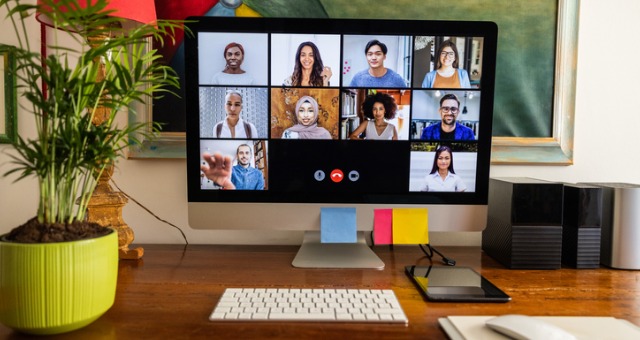
New U.S. data show jump in college students’ learning online

New U.S. data show jump in college students’ learning online

An examination of newly offered federal knowledge displays that a much more substantial proportion of higher education learners take at minimum just one totally on-line class than was beforehand recognized.

The investigation, initially conducted by the ed-tech expert and blogger Phil Hill, shows that based mostly on 12-month reporting — which the Department of Education’s Built-in Postsecondary Education and learning Knowledge Program only just lately commenced gathering for distance mastering — 51.8 percent of students took at least a person on the net course in 2019-20. This amount is a lot bigger than the 37 percent mirrored in the drop 2019 enrollment data that has been cited in the earlier, and on which most estimates of the prevalence of on the net learning have historically been based mostly.

Even though the 2019-20 tutorial calendar year incorporates some of the early months of the pandemic, Hill and other specialists famous that the Division of Training instructed universities not to depend classes that had been moved on line on an emergency basis throughout the pandemic in their study reporting.

The earlier follow of only counting students in on the internet lessons who ended up enrolled at the time of IPEDS’s annual drop census understated the accurate amount of length education learners, Hill claimed. He noted that length learners tend to like a number of commences to the educational 12 months and aren’t as possible to be counted if there is only one position in time during a calendar year when they are tracked. The 12-month enrollment figures are unduplicated, this means they characterize the whole quantity of pupils who are enrolled during the calendar year, but a student only receives counted as soon as, even if they are enrolled in each fall and spring.

“It just misses most people who will take an on line system in the winter, spring or summertime time period,” Hill claimed of the drop enrollment info assortment approach. “Three of the 4 most important educational phrases you just don’t seize at all.”

Hill reported his new information examination ought to not be found through the lens of how the pandemic skewed the earlier obtainable 2019-20 figures but in its place as giving a fuller perspective of the ongoing enhance in online education, which was effectively underway even ahead of the pandemic.

Industry experts lamented the fact that the department only just began such as distance education in its 12-thirty day period survey. Historic information to assess to Hill’s 2019-20 results simply just don’t exist.

Jeff Seaman, the director of Bay Look at Analytics, a survey corporation with a lengthy record of operate in the education sector, reported that prior to 2012, the Division of Training didn’t acquire any information on length training, foremost Bay Perspective to find basis help and assemble all those data on its very own. Seaman called Hill’s evaluation handy but reported it isn’t shocking that the real range of distance learners is significantly increased than what the IPEDS yearly drop enrollment survey captured, provided that the latter is merely a “point-in-time snapshot.”

Quite a few in higher schooling have wondered how usually learners “hop in and hop out” of online coursework, Seaman claimed, including that he was astonished to learn that the big difference among the slide enrollment and 12-thirty day period enrollment quantities was not even bigger. The amount of pupils enrolled exclusively in totally on-line systems increased from 3.5 million in the drop enrollment data to 5.8 million in the 12-month enrollment knowledge, or from 17.6 percent of all pupils to 22.7 percent of them.

“One of the conclusions is that students who were being enrolled in length programs have a tendency to be enrolled in those people distance courses more than many terms, but not all of them, and that clarifies the variance involving these two percentages,” Seaman mentioned, pointing out that if a whole distinctive team of college students was signing up in the spring, the 12-month selection would have been substantially higher than the drop quantity.

Eventually, Seaman claimed, there is practically nothing surprising about the 12-month quantity currently being greater than the drop enrollment variety.

“We all realized the range would be greater,” he stated. “The authentic remarkable factor below is … it addresses the query of how consistent are students in their enrollment pattern, [and] that we didn’t have an solution for in advance of.”

Jennifer Mathes, CEO of the On the web Discovering Consortium, a nonprofit association targeted on best practices for high quality on the net understanding, explained the 12-month info are significant for accreditors and other people attempting to make certain on the internet studying is providing what students need to be profitable. She mentioned her firm has long thought the federal knowledge derived from the annual fall enrollment info undercounted on the web learners.

“We have to make confident we’re carrying out proper by the college students, so when we know what the figures really glance like, that will enable,” Mathes reported. “More and extra college students want distance education, so institutions have to be prepared to adapt.”

The new knowledge also will be vital for plan makers, explained Russell Poulin, executive director of the WICHE Cooperative for Instructional Systems. He mentioned that realizing how several learners are enrolled in on-line lessons will clearly aid assure far better expert growth training for professors and additional support solutions for learners. But producing legislators and other individuals aware of the genuine scope of distance instruction is also vital, he explained.

“It can help them see what is the effects and how are establishments dealing with improved serving college students who are using on line programs,” Poulin said. “I think it will be of great fascination to people today who are developing these federal, point out and institutional procedures.”