Doin’ It Our Way: A podcast about Black families homeschooling

Doin’ It Our Way: A podcast about Black families homeschooling

For years, Black parents frustrated by traditional schools have been pulling their children out of classrooms to educate them at home — and that decision is becoming more common.

The rate of Black families dropping traditional learning for home-schooling in 2020 was five times that of any other racial group in the country, a U.S. Census Bureau survey found.

St. Louis Public Radio’s new podcast Doin’ It Our Way explores why Black families in the St. Louis region are choosing to home-school, how they are managing to do it and what the kids think about it.

09022022_BM_HOPGOOD-1.jpg.jpg

Brian Munoz

/

St. Louis Public Radio

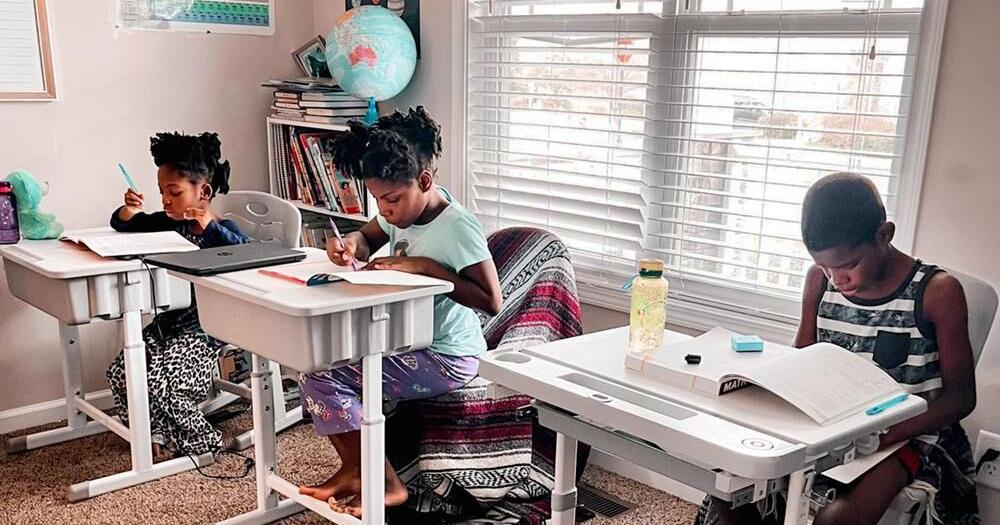
(Top) Addisyn Hopgood soars while swinging during a break from home-schooling on April 1 outside her home in St. Louis Place. (Above) Beverly Hopgood home-schools her children Addisyn, 7, and Andre Jr., 10, while holding her toddler Arianna, 1, at their home. (Photos by Brian Munoz / St. Louis Public Radio)

‘My kids were falling apart’

Episode 1: “My kids were falling apart”

DoinItOurWay.jpg

Beverly Hopgood couldn’t believe what she was seeing and hearing from her 6-year-old daughter Addisyn’s computer.

“Stop doing that,” she recalled hearing her daughter’s teacher tell students. “Put on a shirt! Get out of bed! Stop this!”

The virtual classroom was in chaos. Her teacher struggled daily to hold the attention of a class full of rambunctious kids from behind a computer screen. Like many parents in 2020, Hopgood watched what was happening in her kids’ classrooms in real time.

“It was just ridiculous,” Hopgood said.

It didn’t help that Addisyn was bored and tired of repetitive learning. The experience of her son Andre Jr., then 9, wasn’t any better. His teacher had a habit of ignoring him, Hopgood said. Once, she witnessed the teacher ignore her son for 15 minutes while he raised his hand high in the air.

“He was like: ‘She’s not paying attention to me. My time is almost up,’” Hopgood recalled. “He was trying to understand the actual question, so he could answer it. I guess that it wasn’t explained to him well enough.” After Hopgood got off a work meeting, she went into the view of Andre’s screen. “Then all of a sudden she was like, ‘Andre, you had a question?’ Sweetie, if you saw my son raising his hand a while ago, then you should have answered him a while ago. Don’t ignore my child. That just — it just really frustrated me.”

Andre would get so frustrated in class that he’d cry. Hopgood had had enough.

“I could just see my kids were just falling apart,” Hopgood said. “I know as a mom, we all have jobs outside of our homes. But as a mom, my first job is to my babies. My first job is to make sure that they’re OK and they are getting everything that they need. I knew in my heart that they just weren’t.”

She thought about enrolling her kids in a new school but worried they would experience the same thing elsewhere. As she started looking into other options, someone she knew suggested home-schooling.

She started reading everything she could about it and talked to other parents who home-school their kids. She liked the freedom she would have in Missouri to decide what and how they learned.

Her husband, Andre Sr., was reluctant. They’d just welcomed another baby, and as a firefighter he would often be gone for 24-hour work shifts. But after several conversations about what their kids were experiencing in school, they decided to start their home-schooling journey in 2021. They have no plans to turn back.

09022022_BM_YOUNG-1.jpg.jpg

Brian Munoz

/

St. Louis Public Radio

(Top) Neorah Young, 12, practices violin and Emuna, 9, works on homework. (Center) From left, Enosh, 11; Naomi, 5; Emuna; Simeon, 7; and Neorah pray before eating breakfast. (Bottom) Miquilaue Young serves breakfast muffins and Enosh looks back at his siblings while washing dishes after breakfast on Feb. 15 at their home in Ferguson. (Photos by Brian Munoz / St. Louis Public Radio)

‘I didn’t want that for them’

Episode 2: “I didn’t want that for them”

DoinItOurWay.jpg

Miquilaue and James Young’s seven kids have never set foot in a traditional classroom.

This is how Miquilaue had long envisioned raising her family.

“I always knew even when I was younger that … I was going to home birth, and that I was going to home-school,” Young said.

She’s been home-schooling their children for more than a decade. Her kids are getting the education she wished she’d had. They’ve learned how to code; they’ve taken trips to Black Wall Street in Tulsa, Oklahoma; and her daughter Sasha got a chance to fly in a small airplane in the Young Eagles Aviation Program.

“There’s experiences that I didn’t have that I wanted them to have,” Young said. “More exposure to their culture, and more exposure to learning in a natural way that inspired them to continue learning rather than just regurgitating what they found in a book.”

The Newport Beach, California, native went to a largely white school. She was one of a handful of Black kids in her class. There was a lack of Black representation in her schoolwork. When Black history and culture were included in lessons, they felt more like footnotes in a curriculum that focused on Eurocentric and white American narratives, she said.

She described a feeling of otherness common among Black people in predominantly white spaces. “Reading some books was really hard, being the only African American in the classroom, and everybody is looking at you, every time the N-word is spoken in the literature,” she said.

What she felt in school followed her into the workforce.

That feeling came to a head while she was working as a social worker for the Los Angeles County Department of Children and Family Services. The majority of her cases were Black kids, but she struggled to relate to their experiences. The feeling shook her.

“So, I had decided to go back to school to get a degree in African American Studies and learn more about my history, my culture [and] my ancestors,” Young said. “It was pretty maddening to learn that the things that I was taught in high school were inaccurate. It’s like, can somebody go back and fix those books? Like, why do I have to go and get an advanced degree to learn that what I learned in high school was wrong?”

That ultimately led her down the path to home-schooling. Her husband, a teacher in the Ferguson-Florissant School District, supported her vision. And their seven kids — Sasha, Neorah, Enosh, Emuna, Simeon, Naomi and Elsie — will tell you they wouldn’t have it any other way. When asked whether they like home-schooling, the kids, crowded around the Youngs’ kitchen table, responded in chorus: “I love it. I love it. I love it.”

09022022_BM_GATES-1.jpg

Brian Munoz

/

St. Louis Public Radio

(Top) Shalon Gates works on reading with her 8-year-old daughter Aamori last October. (Center) Aamori, at center, reacts while playing cards with other home-schooled children and her brother Isaac, 13, takes a bite out of a cookie during a Valentine’s Day party in February at the Gates’ home in Ferguson. (Bottom) The Gates children watch a movie alongside other home-schooled students from the area at the party. (Photos by Brian Munoz / St. Louis Public Radio)

‘Between two worlds’

Episode 3: “Between two worlds”

DoinItOurWay.jpg

Shalon Gates always knew her son Isaac was different.

When he was 2 years old, he’d say, “Mom, I know what number this is,” Gates recalled. And soon he was reading. “Then he started to show evidence of being able to do simple math equations and wanting to write in cursive letters and learning how to read at the age of 3.”

She and her husband, Halbert, wanted to nurture that gift and decided to home-school their four kids. Things were great for about six years until money got tight, and Shalon, then a stay-at-home mom, had to go back to work. The couple enrolled their three oldest kids in a private Christian school where Shalon started working as an assistant kindergarten teacher, and their youngest started day care.

But traditional school just wasn’t working out for some of the kids, Gates said. Their youngest son, Joseph, was bullied, and Isaac was bored. He was already a couple of grades ahead thanks to home-schooling. Shalon and Halbert thought this was the perfect opportunity to push for Isaac to be placed in a higher math level. But school administrators disagreed.

“It was just like, ‘Well, yeah, you know, you guys say that he can do all these wonderful things with math, but we kind of think he should just stay at this level,’” Gates recalls being told. Not allowing Isaac to work ahead shook his confidence. He would always finish his work before most of his classmates and worried that he’d lose friends if he’d continue to excel, Gates said.

Not long after, all four Gates kids and Shalon transitioned back to home-schooling. It was a decision that not all of the kids welcomed. Their oldest daughter, 8-year-old Aamori, took it pretty hard.

“When our mom took us out of school, I was very sad,” Aamori said. “All of my friends were at that school, and I was never going to see them again. And after she pulled us out of school, then I just stopped making friends.”

This reality of home-schooling weighs heavily on Shalon Gates. She said it’s hard trying to meet and satisfy the needs of four different kids.

“As a mom, I really wrestle, because I want my children to be happy and content with their learning experience,” she said. “I don’t want them to feel like home-school is this sentence that they have to serve, because Mom and Dad have decided this is what we’re going to do. At the same time, I know the grass looks greener on the other side.”

In Episode 3, Shalon and the Gates kids get curious to explore that emerald-looking other side. And they’re surprised by what they find.

Zianne Gates, 5, plays a math game on her tablet on Monday, Oct. 11, 2021, at her home in Ferguson, Missouri. Shalon Gates, Zianne's mother, said she began homeschooling her children over a decade ago to give them custom educational experiences that public school may not provide.

Brian Munoz

/

St. Louis Public Radio

Zianne Gates, 5, plays a math game on her tablet in October 2021 at her home in Ferguson. Shalon Gates, Zianne’s mother, said she began home-schooling her children over a decade ago to give them custom educational experiences that public school may not provide.

CREDITS

Reported, written and produced by: Marissanne Lewis-Thompson

Audio editing by: Shahla Farzan, Jonathan Ahl and Shula Neuman

Digital editing by: Brian Heffernan

Photography: Brian Munoz

Engagement: Lara Hamdan

Copy editing: Bob Cronin

Digital layout and distribution: Alex Rice and Brendan Williams

Logo design: Lia Basden

Sound design: Marissanne Lewis-Thompson and Greg Munteanu

Sound mixing: Marissanne Lewis-Thompson

Music: Blue Dot Sessions

Black individuals may be more vulnerable to atherosclerosis early in life than young Hispanic adults

Black individuals may be more vulnerable to atherosclerosis early in life than young Hispanic adults

A exceptional Mount Sinai examine concentrated on a multi-ethnic, underserved group in New York Metropolis demonstrates that young Black grown ups are 2 times as likely to have atherosclerosis as similarly located younger Hispanic adults.

Atherosclerosis is plaque establish-up in the arteries that can direct to a blockage, creating a heart assault or stroke. The study, published July 11 in the Journal of American Faculty of Cardiology, is 1 of the initially to examine atherosclerotic plaque in asymptomatic youthful urban populations and emphasizes the value of early screening and life-style interventions in substantial-danger minority groups to enhance their cardiovascular wellbeing.

&#13

What is attention-grabbing about this analyze is that Black people today look to be additional susceptible to atherosclerosis early in lifetime than folks of Hispanic origin, even when adjusting for known cardiovascular and lifestyle chance factors these as cigarette smoking, harmful eating plan, deficiency of exercising, large blood force, and cholesterol. This can then place them at amplified danger of cardiovascular disease, suggesting the existence of emerging or undiscovered cardiovascular hazard factors in this inhabitants.”

&#13
&#13

Valentin Fuster, MD, PhD, Director of Mount Sinai Heart and Physician-in-Chief of The Mount Sinai Medical center, who made and led the trial, named the FAMILIA Project at Mount Sinai Coronary heart

&#13

The analyze is part of an ambitious multinational hard work to intervene early in the life of youngsters, their caretakers, and academics so they can type a lifetime of coronary heart-healthful habits. These new effects appear just after remarkably profitable interventions involving more than 500 pre-schoolers, caretakers, and educators at 15 Head Start out educational facilities in the Harlem segment of Manhattan, an city area that is socioeconomically disadvantaged-a circumstance frequently joined to higher charges of weight problems, coronary heart ailment, and other overall health problems.

The FAMILIA staff focused on 436 older people, together with pre-schoolers’ family users, caretakers, lecturers, and college personnel. Of that team, 147 individuals had been Black and 289 ended up Hispanic, with an average age of 38 80 p.c ended up ladies. Each a single answered a detailed questionnaire at the start out of the analyze, addressing their nourishment, physical exercise, tobacco use, alcoholic beverages intake, and whether or not they had problems this kind of as coronary heart illness, hypertension, diabetic issues, or a family historical past of overall health challenges. They also had their excess weight recorded, and blood pressure and cholesterol checked.

General cardiovascular danger things ended up widespread for both of those ethnic teams at baseline. Thirty per cent of Black individuals had hypertension, pretty much triple the fee of the Hispanic group, 11 percent. Conversely, Black members had reduced prices of dyslipidemia-unhealthy ranges of lipids/body fat in the blood (18 p.c) when compared to the Hispanic team at 27 {e4f787673fbda589a16c4acddca5ba6fa1cbf0bc0eb53f36e5f8309f6ee846cf}, and improved feeding on patterns, consuming extra fruits and vegetables. Scientists utilised this facts to determine a predicted cardiovascular risk score for every single team. They identified the total risk of possessing a cardiovascular occasion in 10 several years was very low for equally Blacks and Hispanics-all around four {e4f787673fbda589a16c4acddca5ba6fa1cbf0bc0eb53f36e5f8309f6ee846cf} for both teams.

Members also experienced 3D vascular ultrasounds to determine if they had atherosclerosis in their carotid (neck) and femoral (leg) arteries. These vascular ultrasounds pointed to a considerable discrepancy between the teams. General, nine p.c of participants had subclinical atherosclerosis (practically one particular in 10 participants showed at least a single artery with plaque). Also, the amount of plaque construct-up in the arteries was two instances bigger amid Blacks than Hispanics. The outcomes ended up dependable even right after altering for common cardiovascular threat things which includes age, intercourse, entire body mass index, hypertension, diabetes, and cholesterol life style variables such as diet plan, actual physical exercise, and tobacco use and socioeconomic factors this sort of as work standing.

“These findings may well in aspect help to demonstrate the noticed differences in cardiovascular ailment prevalence concerning racial and ethnic teams,” Dr. Fuster provides. “The research even further contributes to the knowing of higher costs of cardiovascular disease noticed at an early age in disadvantaged communities. Until finally underlying biological factors and other undiscovered cardiovascular threat aspects are better understood and can be resolved by precision medicine, inexpensive noninvasive imaging approaches these as the moveable 3D vascular ultrasounds employed in this study, which are quickly employed and cost-effective, can be an significant type of early detection in underserved communities, and deliver precious data about populace disparities and enhance the precision of wellness marketing and avoidance courses.”

Dr. Fuster and his crew will develop the FAMILIA application to universities throughout the 5 boroughs of New York City setting up in September 2022. This task will also appraise how household socioeconomic status and teachers’ traits might impact the implementation and efficacy of school-dependent wellness marketing plans.

The FAMILIA undertaking was funded by a grant from the American Coronary heart Affiliation.

Mount Sinai Heart is 1 of the nation’s top rated 6 hospitals in Cardiology/Coronary heart Operation

Mount Sinai Heart is amid the leading 6 in the country for cardiology and cardiac operation in accordance U.S. News & Globe Report. Newsweek’s “The World’s Most effective Specialised Hospitals” ranks Mount Sinai Coronary heart as No. 1 in New York and No. 4 globally.

It is component of Mount Sinai Wellbeing Procedure, which is New York City’s greatest educational professional medical method, encompassing eight hospitals, a main professional medical school, and a large community of ambulatory methods through the larger New York region. We progress medication and wellbeing via unrivaled training and translational research and discovery to provide care that is the most secure, optimum-quality, most available and equitable, and the finest worth of any health and fitness program in the nation. The Wellness Method includes somewhere around 7,300 primary and specialty care medical professionals 13 free of charge-standing joint-enterprise facilities far more than 410 ambulatory methods through the five boroughs of New York City, Westchester, and Long Island and a lot more than 30 affiliated neighborhood wellbeing facilities. The Mount Sinai Medical center is ranked in U.S. News & Earth Report’s “Honor Roll” of the top 20 U.S. hospitals and among the the major in the country by specialty: No. 1 in Geriatrics and prime 20 in Cardiology/Heart Surgery, Diabetes/Endocrinology, Gastroenterology/GI Operation, Neurology/Neurosurgery, Orthopedics, Pulmonology/Lung Surgical procedure, Urology, and Rehabilitation.

Black colleges look online as pathway to post-pandemic stability

Black colleges look online as pathway to post-pandemic stability

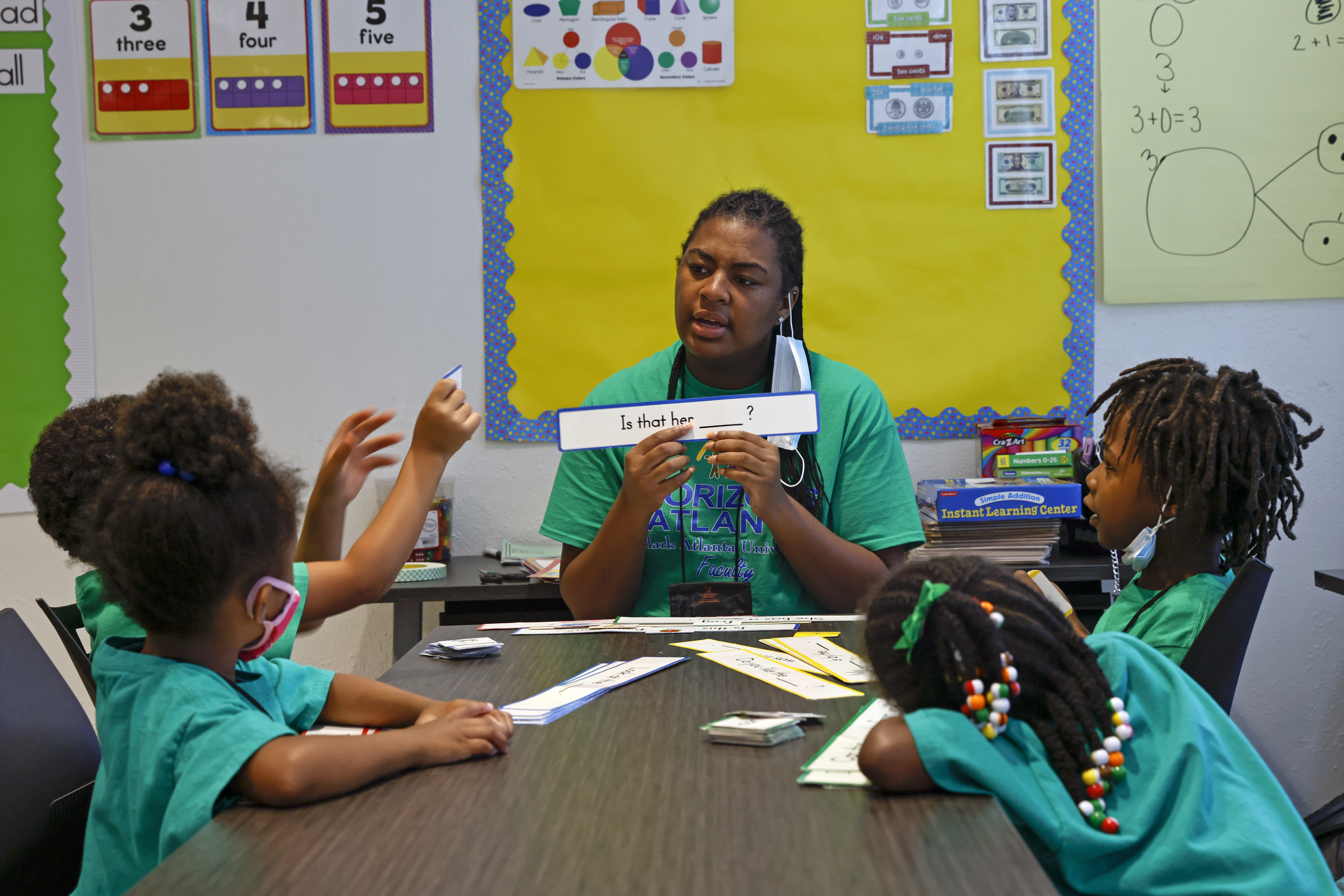
Jayla Atkins, a Clark Atlanta College senior, is effective with a group of to start with graders in the Horizons Atlanta summertime method on Thursday, June 9, 2022. Clark Atlanta educators are taking part in a 5-day convention structured by the United Negro Faculty Fund that aims to enable historically Black faculties and universities boost academic companies in regions like on the web instruction, technological know-how and university student effectiveness. (Natrice Miller / [email protected])

Credit history: Natrice Miller / [email protected]

Jayla Atkins, a Clark Atlanta University senior, works with a group of first graders in the Horizons Atlanta summer program on Thursday, June 9, 2022. Clark Atlanta educators are participating in a five-day conference organized by the United Negro College Fund that aims to help historically Black colleges and universities improve academic services in areas like online education, technology and student performance. (Natrice Miller / natrice.miller@ajc.com)

Credit score: Natrice Miller / [email protected]

Jayla Atkins, a Clark Atlanta University senior, will work with a group of very first graders in the Horizons Atlanta summer system on Thursday, June 9, 2022. Clark Atlanta educators are collaborating in a 5-day convention organized by the United Negro Higher education Fund that aims to help historically Black colleges and universities improve tutorial solutions in locations like on-line education and learning, know-how and pupil overall performance. (Natrice Miller / [email protected])

Credit history: Natrice Miller / [email protected]

Credit history: Natrice Miller / [email protected]

UNCF leaders are working on an on the net platform — HBCUv — that will, at some stage, permit students at the nation’s 102 accredited HBCUs to consider virtual classes at any of the universities. Lomax and his group consider the initiative will build a lot more overall flexibility for learners, which could boost academic performance and increase enrollment.

It also could be very good for the schools’ base lines.

College or university enrollment has declined nationally by 7{e4f787673fbda589a16c4acddca5ba6fa1cbf0bc0eb53f36e5f8309f6ee846cf} due to the fact the pandemic and is envisioned to carry on dropping. Increased training analysts attribute the drop to reduce start costs in the United States. Other gurus say it’s since university is much too high priced and schools are inadequately planning learners for the foreseeable future.

Atlanta has six HBCUs, the greatest focus in any city nationwide. There are four HBCUs in other sections of Ga. Merged, Georgia’s HBCUs had about 21,000 learners previous school yr.

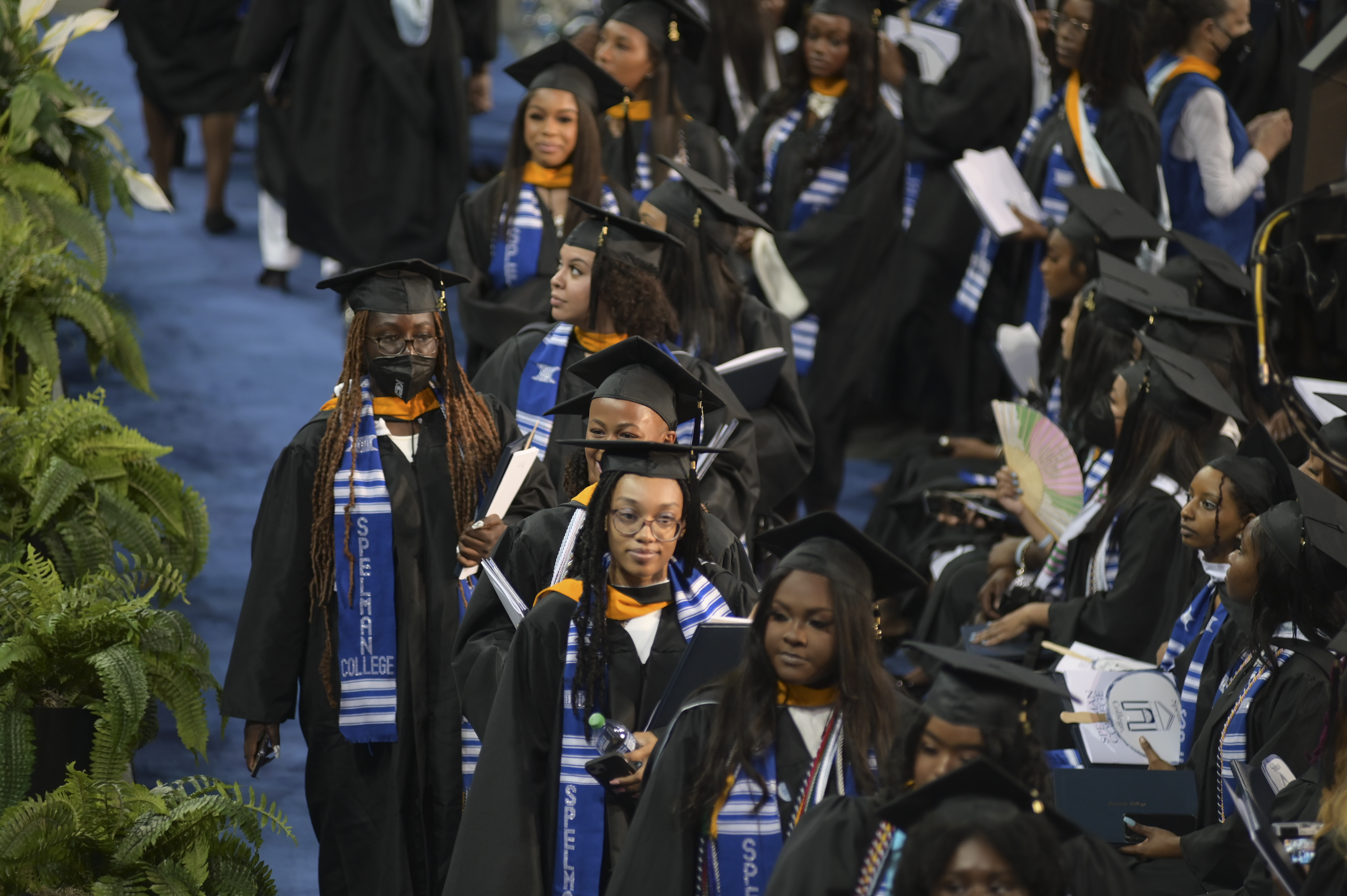
Spelman graduates exit the 2022 Spring Commencement at McCamish Pavilion in Atlanta on Sunday Could 15, 2022. (Natrice Miller / [email protected])

Credit history: Natrice Miller / [email protected]

Spelman graduates exit the 2022 Spring Commencement at McCamish Pavilion in Atlanta on Sunday May 15, 2022. (Natrice Miller / natrice.miller@ajc.com)

Credit: Natrice Miller / [email protected]

Spelman graduates exit the 2022 Spring Commencement at McCamish Pavilion in Atlanta on Sunday May well 15, 2022. (Natrice Miller / [email protected])

Credit: Natrice Miller / [email protected]

Credit score: Natrice Miller / [email protected]

Economically, HBCUs have fewer margin for mistake than several colleges. Collectively, they obtain less dollars from donors, govt and graduates. Community and private HBCUs skilled steep declines in federal funding per whole-time equal pupil among 2003 and 2015, with private HBCUs seeing a 42{e4f787673fbda589a16c4acddca5ba6fa1cbf0bc0eb53f36e5f8309f6ee846cf} reduction, in accordance to a 2019 short by the American Council on Education, a community coverage team for U.S. faculties and universities.

Ga point out senators, noting the pipeline HBCUs make for various industries, produced a research committee this month in aspect to investigate techniques they can assist far better help the educational institutions.

Most Ga HBCUs have been established in the late 19th century, when other schools and universities refused to admit Black college students. The schools embrace the part of educating students who will need much more assistance, enrolling a better share of pupils from lower-money households.

Not all of the educational facilities are having difficulties. Donations to some HBCUs achieved unprecedented concentrations two a long time ago, immediately after George Floyd’s killing in Minneapolis led to nationwide social justice demonstrations. Morehouse and Spelman schools, alongside with the UNCF, every received $40 million items that summer from Netflix CEO Reed Hastings and his spouse, philanthropist Patty Quillin. Clark Atlanta College and Morehouse Faculty of Drugs have also received document donations since 2020.

Nonetheless, several HBCU supporters have been lobbying for a lot more condition and federal funding to address stability scares. Previously this yr, a number of dozen schools, like some in Georgia, received bomb threats.

HBCU leaders say the additional federal funding also could enable with much-essential repairs and design of school rooms and campus housing, as very well as technological updates vital to offer good quality on the web classes.

General public and personal HBCUs described typical deferred upkeep backlogs of $67 million and $17 million, respectively, according to a 2018 federal report. And many of the older properties do not have the potential to supply adequate electronic providers or study, HBCU supporters say. Of the $42 billion the federal govt used on investigate and advancement at U.S. colleges in one latest calendar year, just $400 million came to HBCUs, according to a Thurgood Marshall Faculty Fund study.

“The infrastructure needs have been set on pause for a long time, so it is time we deal with these crucial needs,” explained U.S. Rep. Nikema Williams, D-Atlanta, whose district involves the city’s HBCUs.

Williams supports the America COMPETES Act, which would provide $1.2 billion to HBCUs and other Minority Serving Institutions for investigate and improvement desires. She’s also pushing for passage of the IGNITE HBCU Excellence Act, which would award grants to HBCUs to strengthen campus facilities.

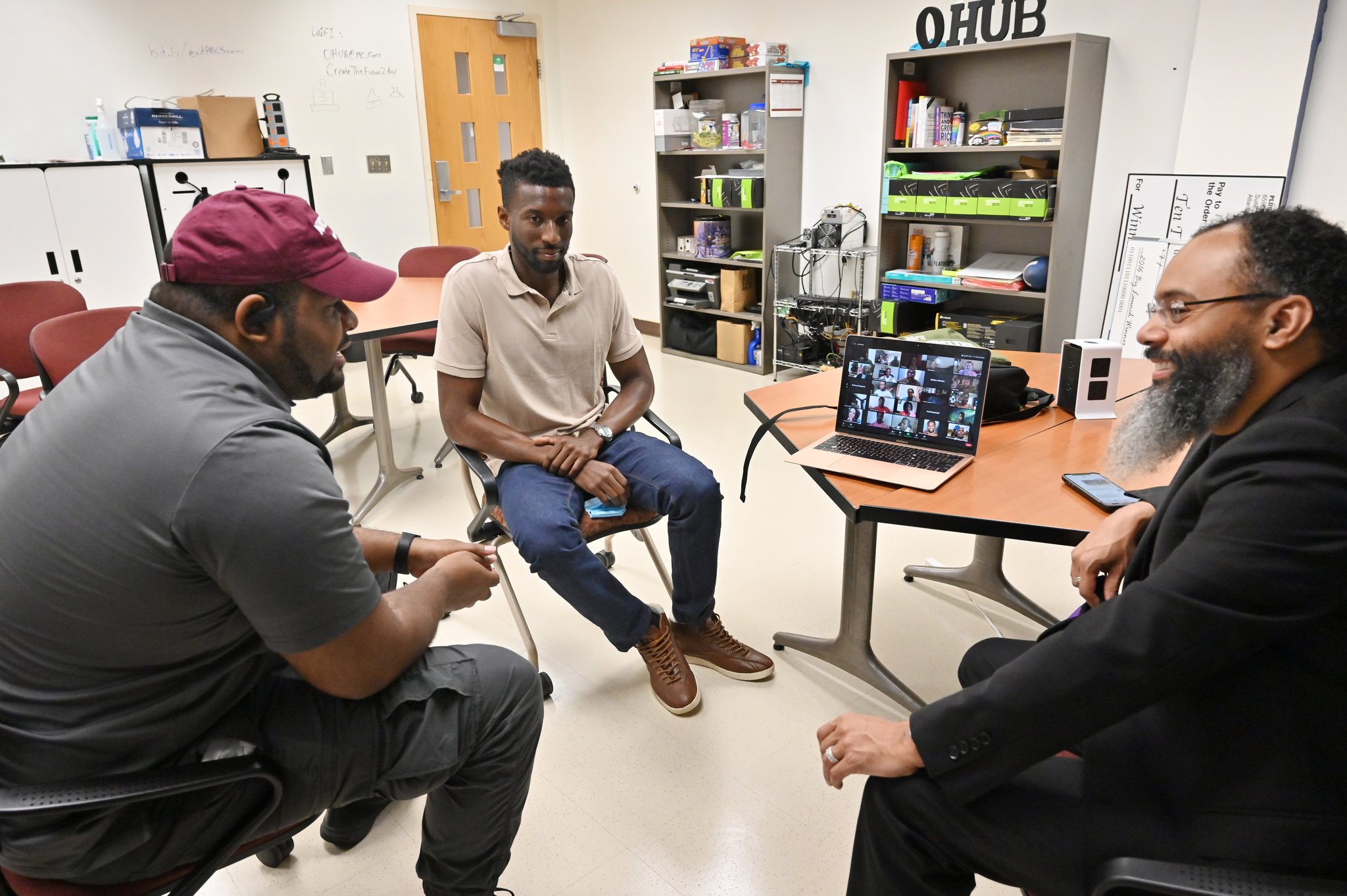
Kinnis Gosha (remaining), the Hortinius I. Chenault Endowed Division Chair for Experiential Understanding and Interdisciplinary Experiments, and Rodney Sampson (correct), chairman & CEO of OHUB, talk to Morehouse college student Corey Shaw all through an online coding boot camp created by Morehouse School in 2020. The college or university started out an on line instruction system in 2021. (HYOSUB SHIN / [email protected])

Kinnis Gosha (left), the Hortinius I. Chenault Endowed Division Chair for Experiential Learning and Interdisciplinary Studies, and Rodney Sampson (right), chairman & CEO of OHUB, speak to Morehouse student Corey Shaw during an online coding boot camp created by Morehouse College in 2020. The college started an online education program in 2021. (HYOSUB SHIN / HYOSUB.SHIN@AJC.COM)

Kinnis Gosha (remaining), the Hortinius I. Chenault Endowed Division Chair for Experiential Mastering and Interdisciplinary Reports, and Rodney Sampson (correct), chairman & CEO of OHUB, speak to Morehouse pupil Corey Shaw during an on the internet coding boot camp made by Morehouse University in 2020. The faculty started out an on the net schooling software in 2021. (HYOSUB SHIN / [email protected])

In some respects, HBCUs are taking part in catch up. Although extra than one particular-50 percent of U.S. colleges and universities have been supplying on the net courses in 2019, just a person-quarter of HBCUs had been executing the exact, UNCF leaders claimed. Georgia Tech, which has found about a 50{e4f787673fbda589a16c4acddca5ba6fa1cbf0bc0eb53f36e5f8309f6ee846cf} improve in enrollment in the previous 5 decades, is prospering from on the web schooling. Much more than one-3rd of its enrollment arrives from graduate college students having classes on the net.

UNCF leaders mentioned they hope to start its online platform by upcoming yr. Clark Atlanta is amid the HBCUs encouraging to acquire the system. Clark Atlanta presently has its personal on the internet education and learning method. Morehouse and Spelman schools previous calendar year commenced on line certificate and diploma courses. Morehouse has 122 on the net pupils enrolled in its summertime semester.

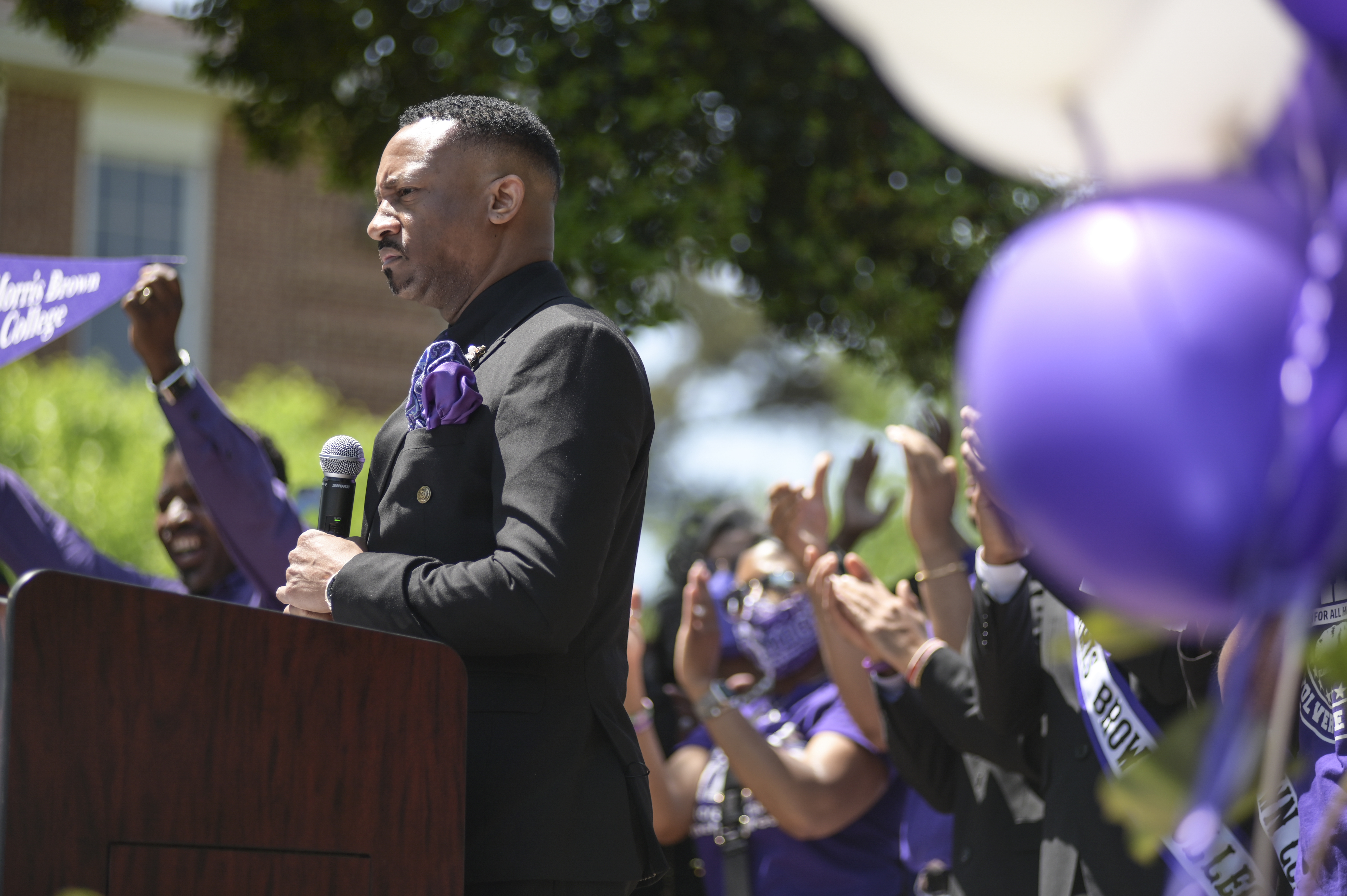
Morris Brown College, which regained its accreditation in April just after acquiring it revoked just about 20 yrs in the past, now conducts 60{e4f787673fbda589a16c4acddca5ba6fa1cbf0bc0eb53f36e5f8309f6ee846cf} of its classes in an on line structure, James stated. He’s hoping to present far more classes on line.

Morris Brown President Kevin E. James speaks at a push meeting announcing the college’s accreditation standing in Atlanta on Thursday, April 28, 2022. (Natrice Miller / [email protected])

Credit rating: Natrice Miller / [email protected]

Morris Brown President Kevin E. James speaks at a press conference announcing the college’s accreditation status in Atlanta on Thursday, April 28, 2022. (Natrice Miller / natrice.miller@ajc.com)

Credit history: Natrice Miller / [email protected]

Morris Brown President Kevin E. James speaks at a press meeting asserting the college’s accreditation position in Atlanta on Thursday, April 28, 2022. (Natrice Miller / [email protected])

Credit history: Natrice Miller / [email protected]

Credit rating: Natrice Miller / [email protected]

Lomax, a previous Fulton County Fee chairman who has led the UNCF due to the fact 2004, reported he’s keen to see HBCU leaders share concepts on know-how and other subject areas at the conference.

“We really do not want this to be a minute,” he explained. “We want this to be an chance to establish momentum to transforming these establishments.”

Auburn expands K-12 educational opportunities throughout Black Belt with Workforce Innovation and Opportunity grant

Auburn expands K-12 educational opportunities throughout Black Belt with Workforce Innovation and Opportunity grant

Short article body

Auburn University’s Middle of Education and learning Outreach and Engagement, or CEOE, is expanding instructional possibilities to K-12 universities in the Black Belt areas of the state of Alabama with the use of a $214,000 Workforce Innovation and Possibility Act grant.  

The 3-12 months renewable grant funded by the Alabama Division of Commerce is 1 12 months into implementation. It is developed to offer Alabama workforce financial commitment things to do by developing possibilities for underserved college students to achieve nationally regarded postsecondary qualifications.  

“A major aim of this plan and many others sponsored by CEOE is to establish deep connections with learners to increase accessibility to an Auburn University instruction, productive employment and to greatly enhance economic impact on Alabama’s communities,” previous CEOE Director Stacey Nickson stated. 

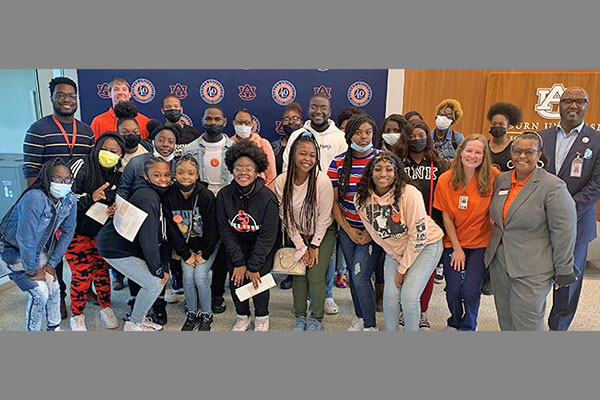
By way of the grant, Auburn’s CEOE has partnered with the Macon and Bullock County Career Technological Schooling Facilities to develop instructional options.  

The grant permitted for the creation of the Auburn College Achievements Furthermore Method, or AUSPP, which offers Auburn school and consultants to train 8 distinct areas of school and occupation readiness planning at both of those the Bullock and Macon County Career Complex Education web sites. 

“The WIOA grant has been and continues to be a ‘human touch’ practical experience,” Nickson reported. “We have concerned learners, moms and dads, instructors, directors, governing administration officers, group mentors from the Black Belt Community Foundation and Auburn University faculty, team and college students.”  

Considering that AUSPP was applied, it has specified 35 learners enrolled in health-related career technical programs a combined overall of 350 several hours of immediate discovering experiences related to healthcare, as nicely as networking opportunities with five Auburn-related health-related systems. 

College students have been ready to visit the Edward By way of Faculty of Osteopathic Drugs, or VCOM, found on Auburn’s campus, the Harrison Higher education of Pharmacy, Higher education of Nursing, University of Veterinary Medicine and the Auburn University Health-related Clinic. These visits allowed learners to interact with and study from pros in the healthcare subject, as effectively as gain exposure to the condition-of-the-artwork academic gear out there to Auburn learners in the realm of healthcare sciences.  

Outdoors of wellbeing care, AUSPP also delivered students with likelihood to find out entrepreneurship abilities. In partnership with Auburn’s Harbert School of Business enterprise, AUSPP college students were being in a position to engage in a 12 months-very long education software concentrating on entrepreneurship in the healthcare sector guide by Auburn management professor LaKami Baker, as nicely as tour the college for a campus occupation go to. 

To master a lot more about Auburn’s CEOE or the WIOA grant, click here.   

Asthma Control Obstacles in Black and Brown People

Asthma Control Obstacles in Black and Brown People

Asthma is a disease of the airways that cause them to narrow and become swollen. The most common symptoms of an asthma attack include wheezing, shortness of breath, and coughing. Asthma is a chronic condition, which means it does not have a cure. People who have asthma take medicines to control their symptoms.

Asthma has a higher impact on people of color (POC) when compared to White people. Black people have a 40{e4f787673fbda589a16c4acddca5ba6fa1cbf0bc0eb53f36e5f8309f6ee846cf} greater chance of having asthma and are three times more likely to die from asthma-related causes.

It is important for POC to know their risk for developing asthma. If they have been diagnosed with asthma, it is critical to follow a treatment plan to control symptoms and avoid long-term lung damage. This article will discuss the problems that POC face when trying to get asthma treatment, and resources POC can use for support.

Zoe Hansen / Verywell


Receiving Appropriate Treatment

Racial discrimination in the United States has negatively impacted health outcomes for POC, causing health disparities. This means that POC are more likely to have health conditions like asthma. They are also less likely to get proper treatment. The burden on Black children is especially high, regardless of income status.

The reasons behind these asthma disparities are:

  • Structural: Systemic inequality, which includes past racial segregation and discriminatory policies (such as redlining and gerrymandering), still impacts POC today.
  • Social: This includes socioeconomic status, education, and the environment in which a person is born and raised.
  • Biological: Genes and ancestry can affect disease risk.
  • Behavioral: It’s important to limit tobacco use and use prescribed medicines correctly.

When You Are Uninsured

There are also racial disparities when it comes to who has health insurance. POC are more likely to be uninsured when compared to White people.

If you can’t afford health insurance and don’t qualify for Medicaid or the Children’s Health Insurance Program (CHIP), you can access health services at your local federally qualified health center (FQHC). FQHCs do not turn people away due to inability to pay. However, it is important to note some centers may charge for services on a sliding scale. If you are unemployed, you may qualify for affordable coverage.

For more information on both options, go to healthcare.gov.

Recognizing Triggers

It is essential to recognize the most common triggers for asthma. POC are more likely to be exposed to some of these triggers due to systemic racial discrimination. They include:

  • Tobacco smoke: Almost 17{e4f787673fbda589a16c4acddca5ba6fa1cbf0bc0eb53f36e5f8309f6ee846cf} of adults with asthma smoke. Tobacco smoke particles can irritate your lungs and slowly destroys the tissue. Even being around someone else that is smoking can cause an asthma attack.
  • Dust mites: These are microscopic-sized bugs that can be found in homes. Vacuum carpets regularly, don’t use down-filled bedding and keep humidity levels inside your home low (30{e4f787673fbda589a16c4acddca5ba6fa1cbf0bc0eb53f36e5f8309f6ee846cf}-50{e4f787673fbda589a16c4acddca5ba6fa1cbf0bc0eb53f36e5f8309f6ee846cf}) to help manage your exposure to dust mites.
  • Outdoor air pollution: This type of pollution can come from wildfire smoke, industrial factories, and cars. Living close to freeways or industrial areas will increase asthma risk.
  • Pests: To keep pests like mice and cockroaches under control, keep trash in a closed container, don’t leave leftover meals out, keep clutter to a minimum, and seal cracks in walls, baseboards, and around the plumbing.
  • Pets: Even your furry family members can trigger asthma if you have an allergy to pet dander. If re-homing them is not an option, you can limit exposure by keeping your pet out of certain rooms, washing them regularly, and using a HEPA filter.
  • Mold: This can grow in damp areas, especially in places with water damage. Use an air conditioner or dehumidifier to keep indoor humidity low, clean visible mold thoroughly, use the bathroom fan when taking showers, and fix water leaks as soon as possible.
  • Certain cleaners and disinfectants: Some may not know that cleaning products can trigger asthma, too. Many of them contain chemicals that irritate the lungs. Use less harsh products, always follow directions for use on product labels, and ensure there is airflow throughout your house when cleaning.

Other asthma triggers include viruses like influenza, perfumes, pollen, and acid reflux.

Secondhand and Thirdhand Smoke

Environmental tobacco smoke (ETS) or secondhand smoke is the smoke from a burning cigarette, cigar, cartridge, or pipe. The smoke exhaled by a smoker is also considered secondhand smoke. Children are at higher risk for health problems from secondhand smoke.

Children who have parents or guardians that smoke experience more of the following:

  • More illness, including a higher risk for bronchitis, pneumonia, and ear infections
  • Stunted lung growth
  • Increased asthma attacks that are more severe

Thirdhand smoke is residue from tobacco smoke. As someone smokes a cigarette, chemicals from the smoke stick to objects and remain on them for a long time after the smoke is gone. These tiny particles can stick to skin and clothes, eventually making their way into people’s bodies. The particles can also react with other pollution in the air that you inhale.

To get free help to quit smoking, call 1-800-QUIT-NOW (1-800-784-8669).

Accessing Follow-Up Care

It is important to note structural racial inequality hinders POC access to care to even be diagnosed with asthma. When actually diagnosed with asthma, it may be difficult for POC to access follow-up care. It is critical to have an asthma action plan, a regular healthcare provider, and case management and care coordination to keep asthma under control.

Generally, an asthma treatment plan should include:

Communicating With Healthcare Providers

Due to systemic racial discrimination in healthcare, the communication between POC and healthcare providers can sometimes break down during care delivery. This can negatively impact asthma control.

The following are tips to make sure POC and their caregivers understand everything they need to know to control their asthma:

  • Use patient advocates/navigators: These are trained experts that can help you navigate the healthcare system. Sometimes they have personal experience with your health condition (in this case, asthma). They help find healthcare providers, can go with you to appointments, research treatment options, find ways to reduce financial barriers, help you get prescriptions filled, and help translate your healthcare provider’s orders into plainer language.
  • Training programs for healthcare providers: This helps healthcare providers identify people who may have social barriers to care and helps them learn how to partner with the community to match them to local resources.
  • Make sure asthma care is guidelines-based: Healthcare providers should be educated on how to provide asthma care based on current guidelines and how to best communicate them to POC who may have experienced institutional racism in healthcare settings.
  • Expand case management to school settings: For children, their healthcare team should include their school nurse. Studies show that case management that includes care from a school nurse is linked to reduced school absences and improved academic performance.

Summary

Due to the persistence of racism and discrimination in the United States combined with genetic factors, People of color are at higher risk for developing asthma. Many POC struggle to access care and may be living with undiagnosed asthma. Even when diagnosed with asthma, it can be challenging to get proper treatment because of systemic racial inequality and social conditions that make it hard to follow treatment plans properly.

Asthma triggers include tobacco smoke, outdoor air pollution, pests, household pets, mold, and illnesses, such as colds or influenza. Secondhand tobacco exposure is of particular risk to children. Exposure to thirdhand smoke, which is residue from smoke that can stick to surfaces and skin, is also harmful.

Accessing care and following asthma treatment plans are essential to control asthma successfully. There are ways to open access to proper care. These include using patient advocates to help navigate the healthcare system, expanding case management to school nurses, educating healthcare providers on how to spot the social barriers to care, and offering asthma treatment that is up to date with current guidelines.

A Word From Verywell

It can be scary when diagnosed with a chronic condition, such as asthma. It may seem like the task is too large to get the proper care. This experience can be even worse for people of color with asthma.

There are resources to help you find and access affordable healthcare insurance, healthcare providers in your network, and patient advocates to be there at your side during a healthcare provider’s appointment.

Eating well, doing as much physical activity as is safe for you, and following your healthcare provider’s treatment plan will help keep your asthma under control. If it seems your medicines are not working, consult with your healthcare provider before changing or stopping medications.

Frequently Asked Questions

  • Should people with severe asthma avoid exercise?

    People with asthma should not avoid exercise or physical activity. Daily exercise actually improves your lung capacity and blood flow to your lungs, and increases the amount of oxygen your body can use. Consult with your healthcare provider about the types of exercise that are safe for you. 

  • What explains the higher rate of asthma in Black people?

    The persistence of racial discrimination is the main cause of higher uncontrolled asthma rates among Black people in the United States. Systemic racial discrimination against a group of people will cause limited access to healthy living conditions for that population, lower incomes, and lower education levels.

  • Is asthma always chronic?

    Asthma is a chronic condition that must be managed every day. There is no cure. Symptoms can be mild or life-threatening.

  • What specifically exacerbates asthma in Black People, Indigenous People, and People of Color?

    People of color are vulnerable to asthma exacerbations for a few reasons that are tied to systemic racial discrimination. They include healthcare providers under-prescribing asthma medications and discriminatory social conditions that prevent people from filling prescriptions or using medicines as prescribed.

Home-schooling surges among Black families | Lifestyles

Home-schooling surges among Black families | Lifestyles

The coronavirus pandemic ushered in what may be the most rapid rise in home-schooling the U.S. has ever seen. Two years later, even after schools reopened and vaccines became widely available, many parents have chosen to continue directing their children’s educations themselves.


home 1

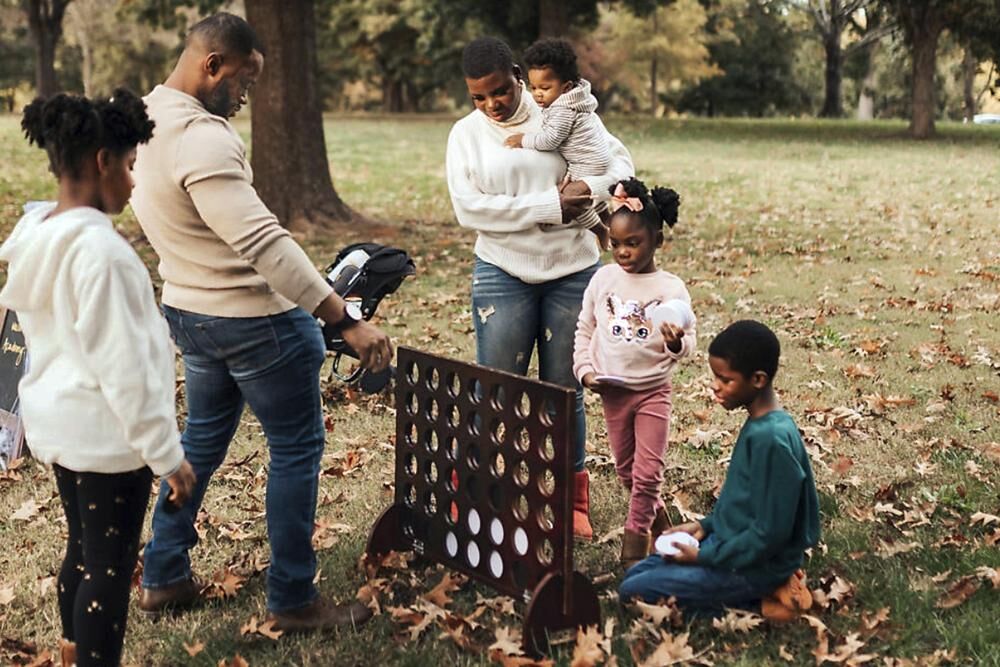
Dalaine Bradley, holding daughter Kanai Bradley (center), while joined by husband Vincent Bradley and their sons,  Zion, Drew and Ahmad, who are being home-schooled.


Black families make up many of the home-school converts. The proportion of Black families home-schooling their children increased by five times, from 3.3{e4f787673fbda589a16c4acddca5ba6fa1cbf0bc0eb53f36e5f8309f6ee846cf} to 16.1{e4f787673fbda589a16c4acddca5ba6fa1cbf0bc0eb53f36e5f8309f6ee846cf}, from spring 2020 to the fall, while the proportion about doubled across other groups, according to U.S. Census surveys.

Dalaine Bradley, a mother in Raleigh, N.C., said the school system’s shortcomings became more evident to families like hers when remote learning began.

“I think a lot of Black families realized that when we had to go to remote learning, they realized exactly what was being taught. And a lot of that doesn’t involve us,” said Bradley, who decided to home-school her 7-, 10- and 11-year-old children. “My kids have a lot of questions about different things. I’m like, ‘Didn’t you learn that in school?’ They’re like, ‘No.’”

Bradley, who works in financial services, converted her dining room into a classroom and rearranged her work schedule to take over her children’s education, adding lessons on financial literacy, Black history and Caribbean history important to her heritage.

“I can incorporate things that I feel like they should know,” she said.


home 2

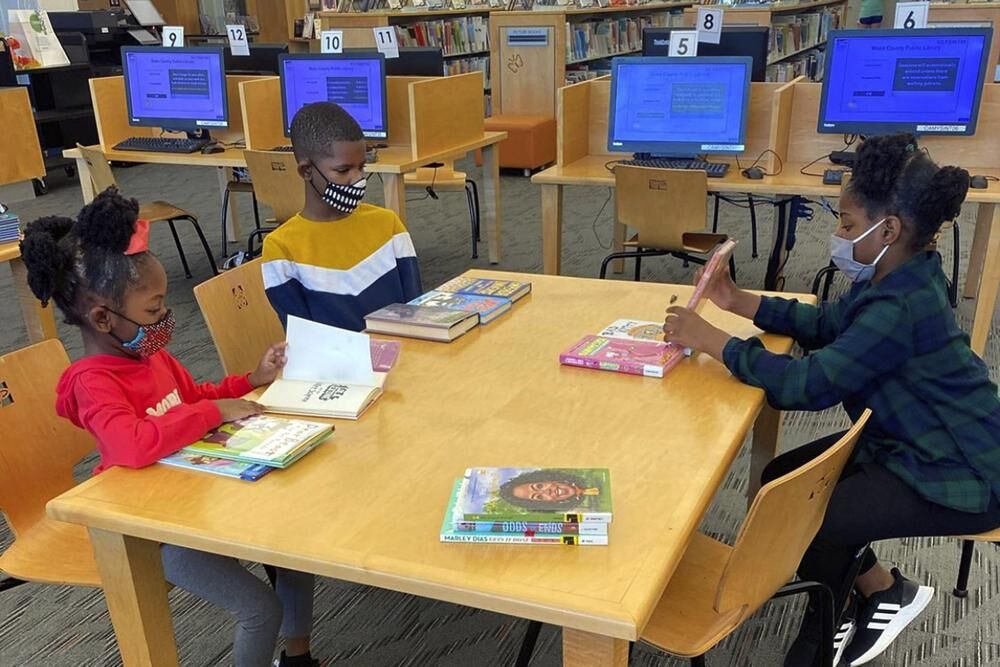
The Waller siblings at Cameron Village Library in Raleigh, N.C., during a home-schooling session.


Her husband, Vincent, who retired from the Air Force last year, steps in at times. The couple also have a 14-month-old. They plan to continue home-schooling for as long as their children want it. Her social media posts about her experience have drawn so much interest that Bradley recently created an online community called Black Moms Do Homeschool to share resources and experiences.

Boston University researcher Andrew Bacher-Hicks said data showed that while home-school rates rose across the board during the last school year, the increase was greater in school districts that reverted to in-person learning, perhaps before some parents were ready to send their children back.

He said the same health concerns that drove those increases are likely behind the continued elevated rates, despite additional upheaval in schools as parents and policymakers debate issues surrounding race and gender and which books should be in libraries.

“It’s really hard to disentangle those two things because all of this is kind of happening at the same time,” he said. “But my guess would be that a large part of the decisions to exit from the system do have to do with COVID-related issues as opposed to political issues, because those things come up frequently and we’ve never seen an increase in home-schooling rates like this before.”

He said parents also may be concerned about the quality of education delivered by schools that have had to rely heavily on substitute teachers amid pandemic-caused staffing shortages.

Home-schooling numbers this year dipped from last year’s all-time high, but are still significantly above pre-pandemic levels, according to data obtained and analyzed by The Associated Press.

Families that may have turned to home-schooling as an alternative to hastily assembled remote learning plans have stuck with it – reasons include health concerns, disagreement with school policies and a desire to keep what has worked for their children.

In 18 states that shared data through the current school year, the number of home-schooling students increased by 63{e4f787673fbda589a16c4acddca5ba6fa1cbf0bc0eb53f36e5f8309f6ee846cf} in the 2020-2021 school year, then fell by only 17{e4f787673fbda589a16c4acddca5ba6fa1cbf0bc0eb53f36e5f8309f6ee846cf} in the 2021-2022 school year.

Around 3{e4f787673fbda589a16c4acddca5ba6fa1cbf0bc0eb53f36e5f8309f6ee846cf} of U.S. students were home-schooled before the pandemic-induced surge, according to the U.S. Census Bureau. The rising numbers have cut into public school enrollment in ways that affect future funding and renewed debates over how closely home-schooling should be regulated. What remains unknown is whether this year’s small decrease signals a step toward pre-pandemic levels – or a sign that home-schooling is becoming more mainstream.

Once a relatively rare practice chosen most often for reasons related to instruction on religion, home-schooling grew rapidly in popularity following the turn of the century before it leveled off at around 3.3{e4f787673fbda589a16c4acddca5ba6fa1cbf0bc0eb53f36e5f8309f6ee846cf}, or about 2 million students, in the years before the pandemic, according to the Census. Surveys have indicated factors including dissatisfaction with neighborhood schools, concerns about school environment and the appeal of customizing an education.


home 5

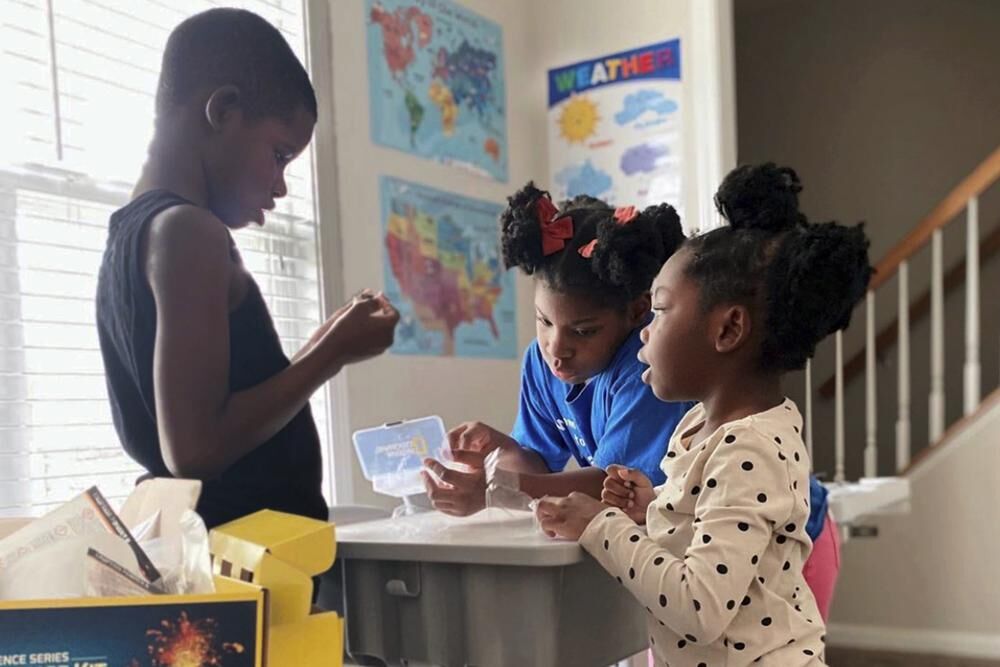
Ahmad Waller, 11, Zion Waller, 10, and Drew Waller, 7 (L-R), interacting on a typical day while being home-schooled.


In the absence of federal guidelines, there is little uniformity in reporting requirements. Some states, including Connecticut and Nevada, require little or no information from parents, while New York, Massachusetts and some others require parents to submit instruction plans and comply with assessment rules.

The new surge in home-schooling numbers has led state legislatures around the country to consider measures either to ease regulations on home-school families or impose new ones – debates have gone on for years. Proponents of more oversight point to the potential for undetected cases of child abuse and neglect while others argue for less in the name of parental rights.

All of the 28 state education departments that provided home-schooling data to the AP reported that home-schooling spiked in 2020-21, when fears of infection kept many school buildings closed. Of the 18 states whose enrollment data included the current school year, all but one state said home-schooling declined from the previous year but remained well above pre-pandemic levels.