UNI football: Penning, Brinkman, Cook named to Stats Perform AA teams

UNI football: Penning, Brinkman, Cook named to Stats Perform AA teams


UNI football 2021 Eastern Washington


Football


CLICK HERE FOR LINK TO FULL STORY FROM THE ANALYST. 

CEDAR FALLS, Iowa

– Three Panthers earned all-American spots on the Stats Perform FCS Team.

Trevor Penning, Jared Brinkman and Matthew Cook are among 21 student-athletes selected from the Missouri Valley Football Conference, an FCS conference high.


This is Penning’s fourth all-American team. Penning has been named to HERO Sports’ FCS All-American First Team Offense, the 2021 Associated Press All-America Football Team, the FCS ADA Announces 2021 All-America Team and most recently, the Stats Perform FCS All-America Team. Penning was the only offensive lineman to be named as a finalist for the Walter Payton Award, which is presented to the national offensive player of the year in college football’s Division I subdivision. He was the first player to be invited to the Reese’s Senior Bowl. He was part of an offensive line that allowed 36 sacks and a loss of 231 yards on the season and went 25-for-30 on red zone attempts-scores. He helped the team gain 1,686 rushing yards and 2,679 passing yards. Penning is from Clear Lake, Iowa, and majored in movement and exercise science. He is the son of Jeff and Teresa Penning. His brother, Jared, also plays on the UNI football team.

Brinkman is a two-time MVFC Defensive Player of the Year, having received his second consecutive honor this year. He was also named to the 2021 Associated Press All-America Team and the first team list for HERO Sports’ FCS All-American Team. Brinkman notched 22 solo sacks and assisted on 51 this season. He has 15 tackles for a loss of 50 yards. He had 14 against South Dakota on Oct. 16. Brinkman forced a fumble and recovered a fumble. Brinkman is a senior majoring in physical education. He is a graduate of Regina High School in Iowa City, Iowa. He is the son of Mike and Carla Brinkman.

Cook is a placekicker out of Cedar Falls, Iowa. He also was named to the second team HERO Sports’ FCS All-American Team. He was the only FCS player to notch two field goals beyond 50 yards in a single game the week he earned MVFC honors. He ranked first in MVFC and fourth in nation for field goal percentage with 90.5{e4f787673fbda589a16c4acddca5ba6fa1cbf0bc0eb53f36e5f8309f6ee846cf}. He was second in the MFVC and fourth in nation for field goals per game with 1.73. He was perfect on PATS on the season, going 22-22 and averages 58.3 yards on kickoff. Cook is the son of James and Cindy Cook. He is majoring in movement and exercise science.


MVFC – STATS PERFORM FCS ALL-AMERICA TEAM 

FIRST TEAM OFFENSE

  •  RB – Pierre Strong Jr., senior, 5-11, 205, South Dakota State
  • FB/H-Back – Hunter Luepke, junior, 6-1, 236, North Dakota State
  • TE – Tucker Kraft, sophomore, 6-5, 255, South Dakota State
  • OL – Trevor Penning, redshirt junior, 6-7, 321, Northern Iowa
  • OL – Cordell Volson, senior, 6-7, 313, North Dakota State

FIRST TEAM DEFENSE

  • DL – Jared Brinkman, redshirt senior, 6-2, 290, Northern Iowa
  • DB – Darius Joiner, senior, 6-2, 200, Western Illinois

SECOND TEAM OFFENSE

  • OL – Matt Waletzko, senior, 6-7, 305, North Dakota

SECOND TEAM DEFENSE

  • LB – Adam Bock, sophomore, 6-1, 215, South Dakota State
  • LB – Jack Cochrane, senior, 6-3, 230, South Dakota
  • DB – Montrae Braswell, sophomore, 6-0, 190, Missouri State
  • DB – Qua Brown, senior, 5-11, 206, Southern Illinois

SECOND TEAM SPECIAL TEAMS

  • PK – Matthew Cook, sophomore, 5-11, 180, Northern Iowa
  • AP – Christian Watson, senior, 6-5, 208, North Dakota State

THIRD TEAM OFFENSE

  • WR – Dennis Houston, senior, 6-2, 205, Western Illinois
  • OL – ZeVeyon Furcron, redshirt senior, 6-2, 327, Southern Illinois

THIRD TEAM DEFENSE

  • DL – Brayden Thomas, senior, 6-3, 260, North Dakota State
  • DB – Michael Tutsie, senior, 5-11, 192, North Dakota State

THIRD TEAM SPECIAL TEAMS

  • P – Grant Burkett, redshirt freshman, 6-1, 180, Missouri State
  • PR – Jayden Price, junior, 6-0, 186, North Dakota State
  • AP – Jaleel McLaughlin, senior, 5-9, 175, Youngstown State

Red Sox 2022 coaching staff, Peter Fatse hitting coach

Red Sox 2022 coaching staff, Peter Fatse hitting coach

BOSTON, MA — The Boston Crimson Sox nowadays introduced the following alterations to the major league coaching team:

Main Baseball Officer Chaim Bloom and Supervisor Alex Cora designed the announcement.

“I truly feel fortunate to perform with this kind of a proficient and diverse team of coaches,” reported Cora. “In addition to Luis and Ben bringing fresh perspectives from outside the house of our organization, I am excited for the new opportunities offered to Pete, Ramón, and Mike. Andy has been a precious member of the Purple Sox for more than a ten years, and I’m thrilled to welcome him to the significant league personnel. I look ahead to doing work with this group to reach the supreme aim of winning a different Planet Series.”

Ortiz, 51, expended the final four seasons on a major league coaching employees, initially as an assistant hitting coach for the 2018 Los Angeles Dodgers, followed by a three-year stint as hitting coach for the Texas Rangers (2019-21). Prior to joining the specialist coaching ranks, he owned a baseball academy in Keller, TX. From 2008-12 he worked in the Rangers’ firm as a hitting instructor with Short-A Spokane (2008), a roving hitting teacher (2009-11), and an assistant hitting coordinator (2012). Immediately after functioning in Cleveland’s player improvement procedure from 2013-14 as assistant industry coordinator and cultural development coordinator, Ortiz expended three decades as the San Diego Padres’ field and hitting coordinator (2015-17).

Chosen by the Red Sox in the 1991 June Draft, Ortiz’s 14-calendar year specialist playing vocation incorporated 60 big league games with Boston (1993-94) and Texas (1995-96). The former third baseman spent most of the 1997 time with the Yakult Swallows in Japan’s Nippon Qualified Baseball, then returned to Small League Baseball and played by the 2004 period.

Born in Santo Domingo, Dominican Republic, Ortiz was a standout baseball player at Union University (Jackson, TN) from 1988-91. He majored in actual physical training with a small in marketing, earning his degree in 2003 ahead of earning induction to the university’s Athletics Corridor of Fame in 2007.

Rosenthal, 42, used the past 5 seasons in the Houston Astros group as a minor league hitting coach, becoming a member of in 2017 with Solitary-A Quad Cities before assuming the part with Substantial-A Buies Creek in 2018 and with Triple-A Sugar Land from 2019-21. Prior to his qualified coaching profession, Rosenthal used time as the third base mentor and hitting coach for Stage Loma Nazarene College (CA) from 2014-16, head coach of Mira Mesa Large College (CA) in 2013, and 1st assistant at Bishop Gorman Superior College (NV) from 2011-12.

A left-handed hitting catcher and outfielder, Rosenthal played two seasons in the St. Louis Cardinals program (2004-05), showing in 63 video games among Single-A Peoria and Large-A Palm Beach. He also played 198 game titles throughout a few seasons of independent baseball for the Niagara Stars (2003), Allentown Ambassadors (2003), Les Capitales de Quebec (2005), and El Paso Diablos (2005-06).

Born in Phoenix, Rosenthal played baseball at Riverside Metropolis College (1998-99) and San Diego Condition College (2000-01). He acquired his degree in kinesiology with a nutritional supplement in introductory sciences from San Diego Condition in 2002 and gained a master’s diploma in actual physical training from Asuza Pacific University in 2008. Rosenthal retains certification from Titleist Efficiency Institute and The Completely ready State.

Fox, 50, is coming into his 12th season in the Red Sox corporation, acquiring formerly served as the club’s minimal league infield coordinator (2011-21) and assistant subject coordinator (2019-21). The California native also labored with the main league club very last season, including through the Pink Sox’ postseason operate to the American League Championship Series.

Prior to his time in the Purple Sox corporation, Fox spent a few seasons (2007-09) on the Florida Marlins’ main league employees as very first foundation coach and infield coach. He started his coaching vocation as manager of the Texas Rangers’ Solitary-A Clinton affiliate in 2006, and in 2010 he served as hitting coach for the Seattle Mariners’ Double-A West Tennessee affiliate (2010).

A two-time Entire world Series champion as a player, Fox batted .239 (461-for-1,925) in 776 games throughout 9 seasons with the New York Yankees (1996-97), Arizona Diamondbacks (1998-2000), Florida Marlins (2000-2003), Montreal Expos (2004), and Texas Rangers (2004). He was a member of New York’s 1996 Environment Collection champion staff as a rookie, enjoying in 113 game titles throughout the common season and eight in the postseason. Picked by the Yankees in the next spherical of the 1989 June Draft out of Christian Brothers High University (CA), Fox appeared in 264 video games at shortstop, 169 at second base, 135 at 3rd foundation, 47 in correct discipline, 24 in remaining field, 16 at initial foundation, and 10 in middle industry.

Physical Education: Ready, Set, Resume!

Physical Education: Ready, Set, Resume!

“I desired to humanize [PE] and let pupils know that whichever they are emotion — such as isolation and aggravation — is Ok.”
—Sarah Bowers, Ukiah Instructors Affiliation

PE academics are all set to whip pupils into form this tumble, and it’s not likely to be easy. Following 18 months of reduced activity, the obstacle is genuine.

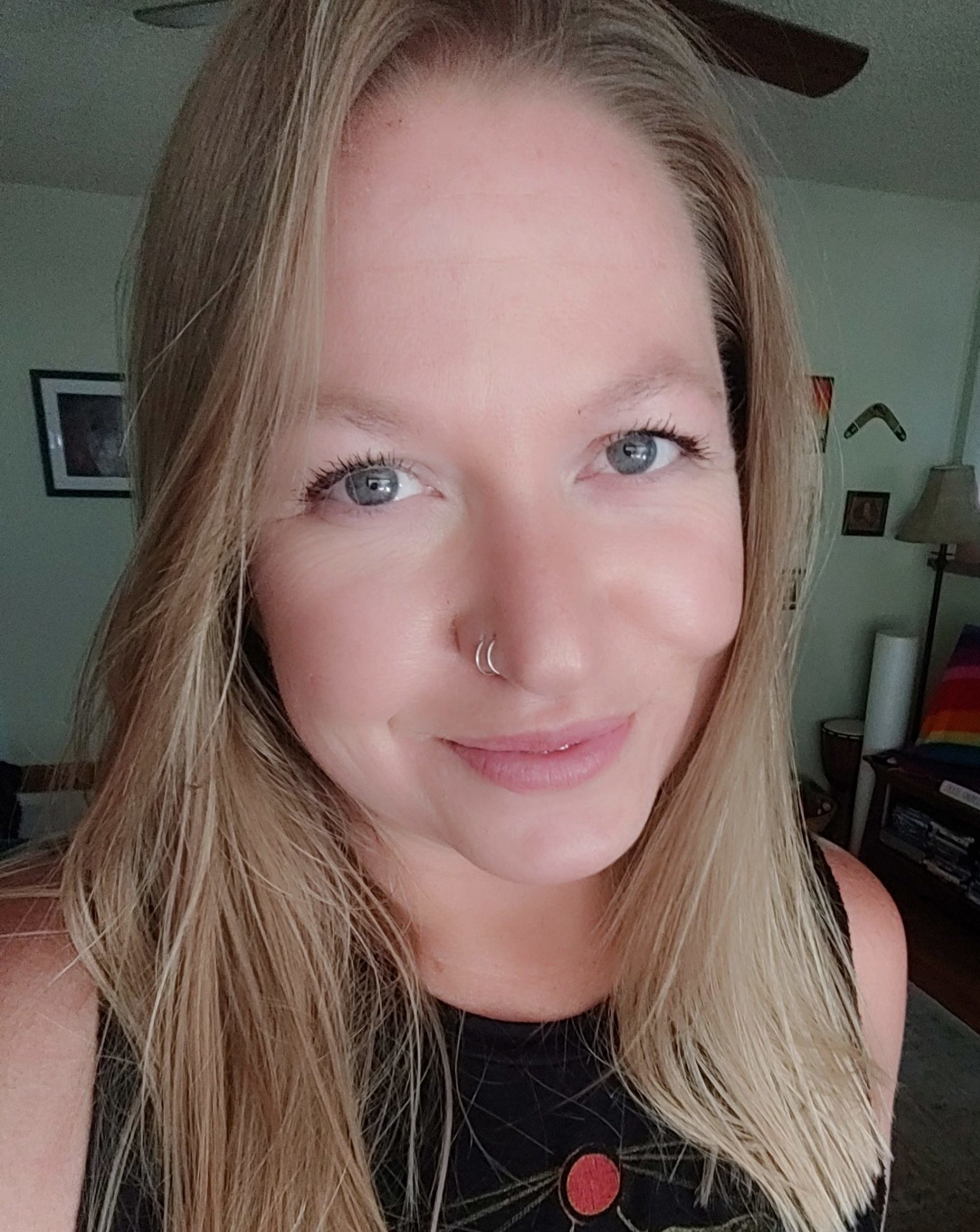
Sarah Bowers

Sarah Bowers

For the duration of the pandemic, several pupils became couch potatoes, sitting in front of screens as a substitute of savoring sports, outdoor things to do or recess. California waived the bare minimum PE necessities (see sidebar, under), whilst lots of educational institutions presented virtual instruction. Instructors say some pupils participated but several did not, resulting in pounds acquire.

“Overall, we’ve seen excessive body weight acquire through the pandemic,” claims Dr. Elizabeth Shepard, professional medical director of the pediatric excess weight clinic at Stanford Children’s Wellbeing Middle. Pre-pandemic, little ones in California experienced a better amount of obesity when compared to youngsters in other states, and that is very likely to increase when new details is collected.

Rebuilding students’ energy, stamina and electricity will not transpire right away, but educators are operating on their sport prepare for returning students to much better health and fitness.

“When the pandemic strike, it was an adjustment for all teachers,” observes Sarah Bowers, a PE teacher at Ukiah Substantial Faculty. “Putting a physical schooling trainer in front of a personal computer monitor was specially complicated. But PE academics have labored difficult to hold young ones active and relocating for the duration of the pandemic. And we are searching forward to receiving them even a lot more active in the new college yr.”

“I’m not likely to lie, it was a problem. Some of my learners required to dance and many others wished to remain in mattress all day.”
—Brittany Washington, Lynwood Lecturers Association

A hard digital exercise

PE was amongst the most complicated classes to train in a pandemic. Some schools ongoing to continue to keep PE on line — even when in-human being discovering resumed — for the reason that exertion and get in touch with sporting activities can unfold droplets.

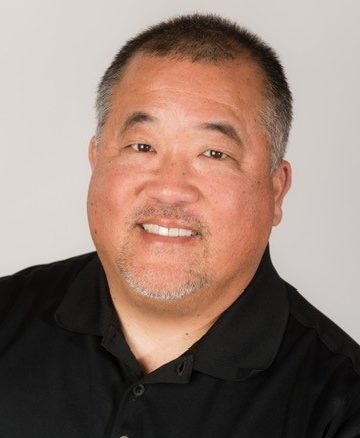
Trent Suzuki

Trent Suzuki

Trent Suzuki designed a big energy to create a “culture of PE” where pupils could bond with each other just about and continue to keep moving. He estimates 65 percent of students attended on the web classes very last yr. They jumped rope, juggled, and did kick boxing and cardio drumming from property, working with h2o bottles and cans for fat lifting.

“I experienced to believe outdoors the box,” claims the Escondido Elementary Educators Association member, who teaches at multiple universities. “There was camaraderie and teamwork. We produced no excuses and talked about how we have been all in this together — and heading to keep solid alongside one another. It in all probability aided that I never advised them that they weren’t staying graded in the pandemic.”

Suzuki, who was named Elementary Physical Schooling Instructor of the 12 months in 2020 by the California Affiliation for Wellness, Bodily Training, Recreation and Dance, programs to go slower than regular when he resumes in-person instruction this fall.

“For the 35 p.c of pupils who are not in condition, we will start moderately and construct up little by little. We might get started with a single sit-up and one squat, and then incorporate more each day. Instead of working an whole lap, we could walk for part of it. We will get the job done our way back to health and fitness one action at a time.”

For Brittany Washington, instructing dance on-line was difficult. “I’m not going to lie, it was a problem,” says the Lynwood Superior School trainer, who is also a cheer coach at her university and a Los Angeles Rams cheerleader who performed at the Tremendous Bowl in 2019. “Some of my learners wished to dance, and others desired to continue to be in bed all working day. The pandemic designed some little ones actually lazy. The most tricky issue was seeking to drive college students so they wished to have interaction.”

Brittany Washington as a cheerleader

Brittany Washington

The Lynwood Instructors Affiliation member turned her dwelling room into a dance studio with rollaway mirrors and encouraged learners to enjoy moving to jazz and hip hop even though expressing their pent-up emotions. They advised her it designed them feel superior.

“We talked about dance as a strain reliever and a indicates of self-expression. Even even though we stayed in length understanding during very last calendar year, we came alongside one another to movie a spring live performance.”

Jen Tsurumoto developed substantial-energy movies on her YouTube channel for her fourth graders at Parkside Elementary School, and taught fifth and sixth graders at Brook Haven School in Sebastopol on Zoom in true time. It was a great challenge as a first-12 months trainer.

“Other than my PE classes, learners weren’t obtaining much exercise,” suggests the Sebastopol Elementary Lecturers Association member. “I attempted to make it as entertaining as possible. I needed them to transform their cameras on for safety. Eventually, all the children had their cameras on. Even if I just observed the leading of a head or an arm relocating all around, I understood they have been protected and collaborating.”

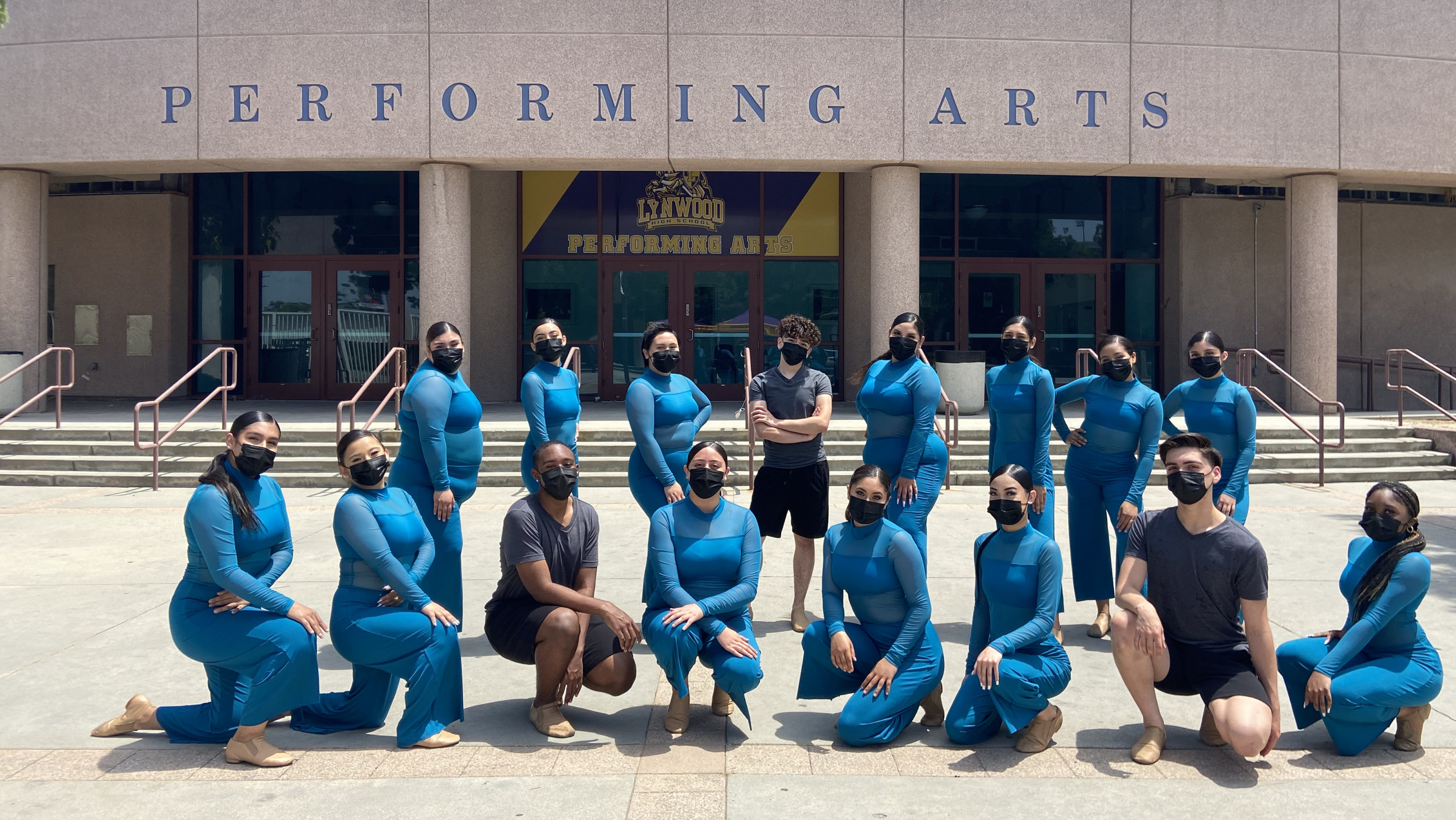
Brittany Washington's students

Brittany Washington’s students

Transitioning again to in‑person

When Tsurumoto’s college students returned past April, transferring all over and staying socially distant was feasible via routines these types of as disc golfing (a combination of Frisbee and golfing), operating and pickle ball.

Jen Tsurumoto

Jen Tsurumoto

“We performed a good deal of online games like Sharks and Minnows with pool noodles that maintain them aside. It was remarkable to see them progress in health and health. With asynchronous learning, young ones were being on the honor program, and I’m not actually absolutely sure how perfectly that labored.”

The new regular usually means no dressing rooms, no modifying garments, and individual “PE kits” alternatively of shared devices, says Betsy Erickson, a PE teacher at River Town Large School in West Sacramento, who was the 2021 Secondary Instructor of the 12 months for Washington Unified School District.

“We’ve provided each pupil an person bag of devices,” says Erickson, a member of West Sacramento Lecturers Affiliation. Depending on their grade, students may perhaps have a soccer ball, weights, resistance bands, bounce rope, beanbags, or paddles for pickle ball in their baggage.

Betsy Erickson

Betsy Erickson

“It’s totally been a sluggish get started, and we are making up to more activity,” says Erickson. “I notify them it is Okay to stroll all around the observe they don’t have to be a runner right absent. Quite a few of them have been out of college for an full 12 months. And I know it’s more challenging for them to training putting on masks.”

Carrying out matters in the new standard takes for a longer period, she observes. Learners need to sanitize their arms in between activities and determine out positioning to keep socially distanced. But learners choose it in stride.

“They want to be on campus as a substitute of at residence, and are really significantly prepared to do what ever I inquire them to do. They are ready to make the new regular work.”

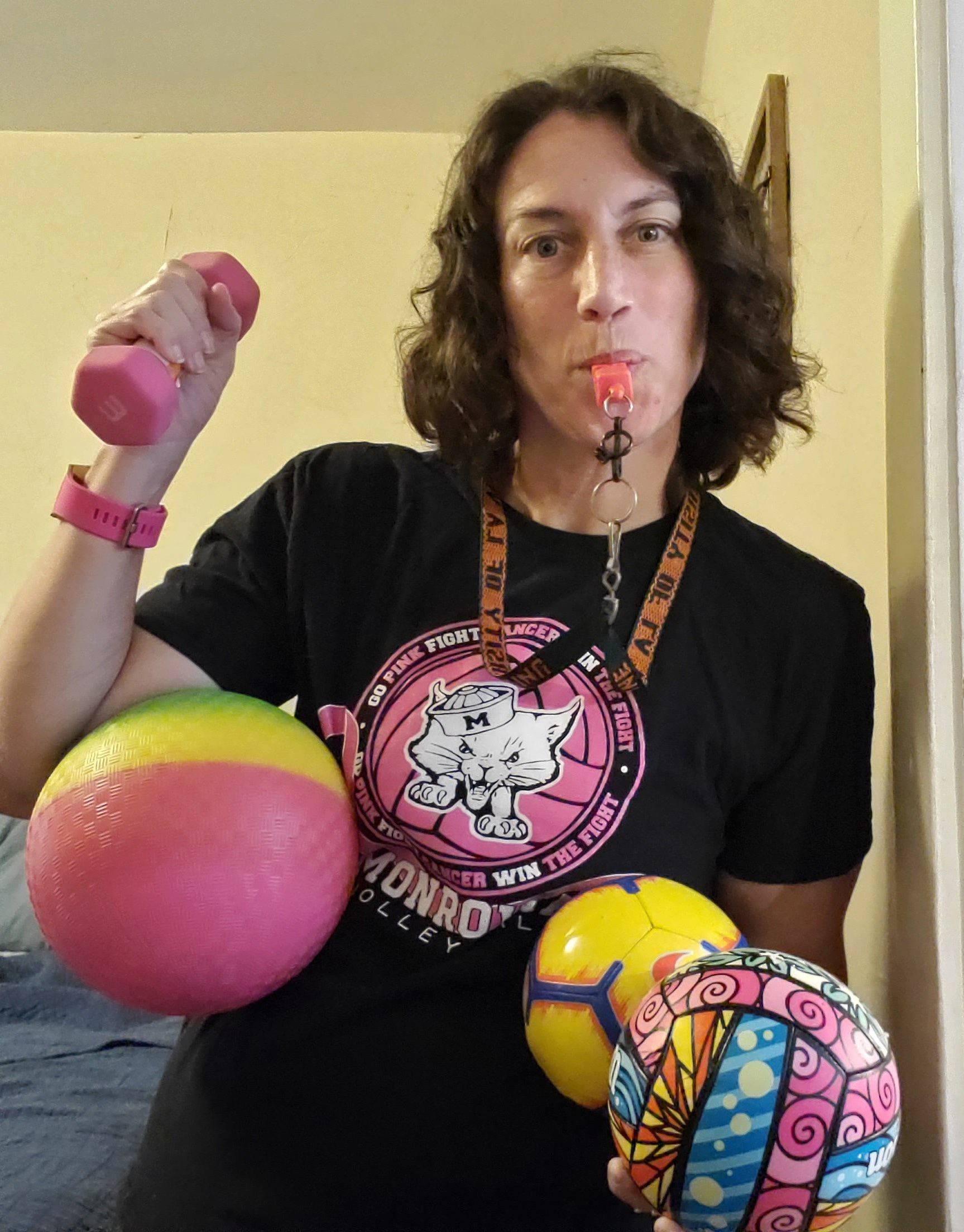
Robin Chicca, a instructor at Monrovia Higher University, says college students enjoy getting in a position to work out following quarantining. In previous several years, there were “groans and grunts” when they were asked to exert on their own. Now they do so with out complaining. They exercising outside the house for protection, and in some cases in significant temperatures, so she doesn’t make things too challenging as they make up stamina.

“Now that they’ve opened up vaccines to include things like 12- to 16-yr-olds, COVID scenarios will keep on to go down and matters can hopefully go back to standard,” suggests Chicca, a Monrovia Academics Association member.

“Students learned that the bodily response to workout is a strengthen in emotional wellbeing. I tried really really hard to connect with my learners emotionally throughout this time.”
—Robin Chicca, Monrovia Academics Affiliation

A return to well being

Chicca emphasized to pupils in the course of previous 12 months that functioning out assists with worry, panic and despair. Learners were severely impacted her campus shed two pupils to suicide in 2020.

Robin Chicca

Robin Chicca

“We did a total lesson on brain chemicals and endorphins, and they discovered that the physical reaction to training is a raise in emotional wellbeing. I have attempted really tough to connect with my college students emotionally during this time.”

“Research reveals that when you exercising, it increases the mind,” suggests Felix Quiñónez, an elementary PE instructor named Teacher of the Calendar year in Los Angeles Unified School District in 2020. “Exercise not only enhances students’ temper, cognition and perfectly-becoming it also builds behavior that guide to a more time and healthier top quality of lifetime.”

Quiñónez teaches students and mentors teachers at a number of elementary universities. Last yr that meant modeling on the web classes and creating upbeat Google slides.

“I want students to just take possession of their wellness, and offer you them pathways to get there,” claims the United Academics Los Angeles member.

Quiñónez reminds learners that self-care strengthens their immune process.

Felix Quiñónez

Felix Quiñónez

“I incorporate mind well being investigation in my lessons, which reveals that a lack of motion can guide to minimal blood flow, which is involved with panic. I usually question my college students to share how they are emotion. Trauma-delicate classroom methods assistance to foster social-psychological learning [SEL] and advancement.”

Last 12 months he merged specifications-based lessons with internet-primarily based assets this kind of as the Ready, Established, Gold! exercise and SEL program hosted by Olympians and Paralympians, and Kaiser Permanente means that teach about the price of wholesome foods by marketing nutritious snack recipes.

“Tech is in this article to stay in bodily education because it improves training, understanding, and assessments,” states Quiñónez. “Digital literacy is important to a 21st century instruction.”

Betsy Erickson at work in the gym.

Betsy Erickson at get the job done in the health and fitness center.

Rethinking PE as pandemic subsides

Sarah Bowers, the Ukiah Superior University teacher, thinks that the pandemic has profoundly changed not only the planet, but how bodily schooling need to be taught.

“I consider we are additional anxious about social-emotional finding out features for students,” states the Ukiah Lecturers Association member. “I preferred to humanize the working experience and let learners know that no matter what they are feeling — together with isolation and disappointment — is Ok. Likely by the pandemic presented alternatives to have conversations with learners and join with them emotionally.”

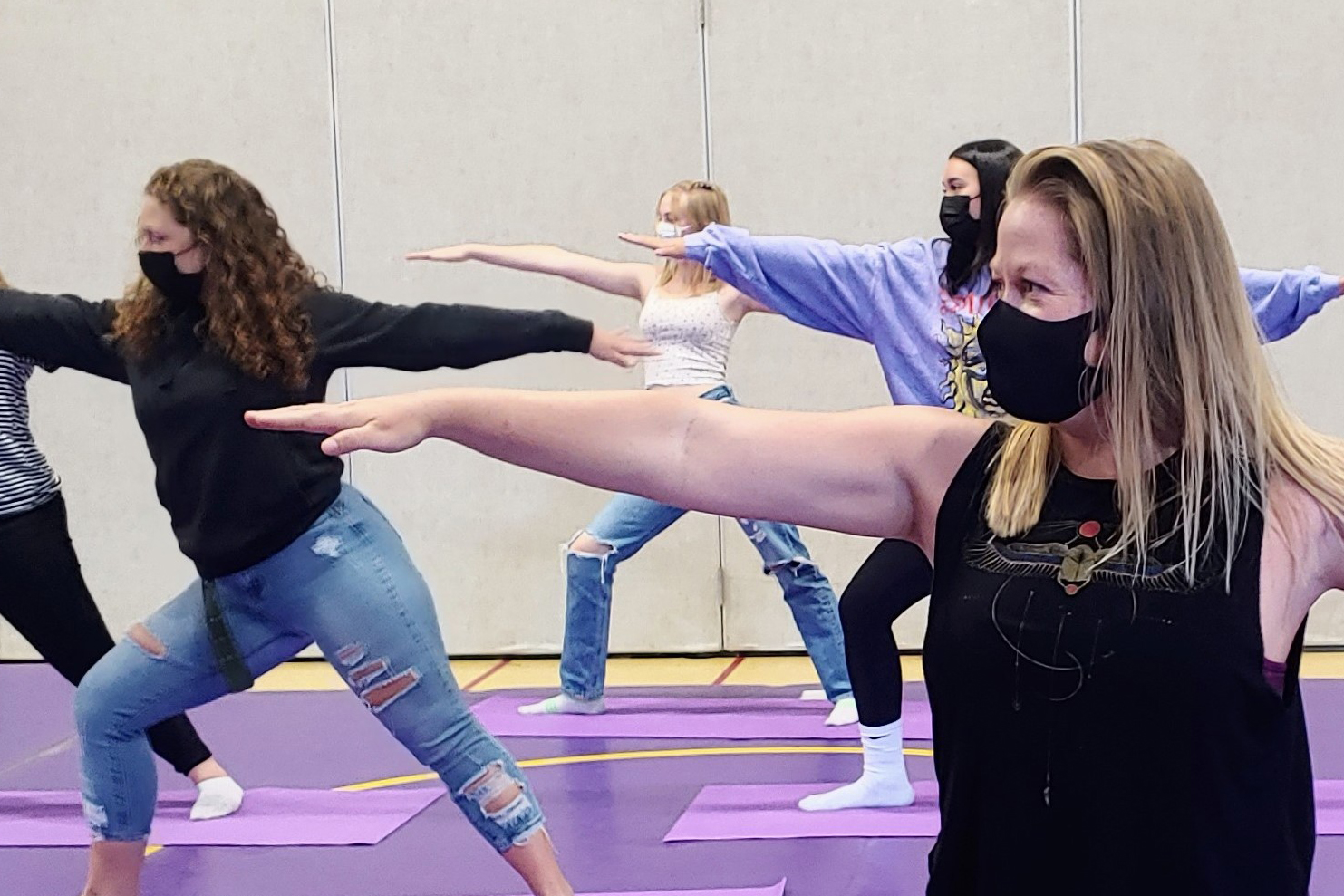
Bowers teaches normal PE and has always incorporated yoga into that course. When she noticed how a great deal it was encouraging her college students cope with pandemic worry, she asked to make entire yoga classes, which was not too long ago approved by the college board.

“Yoga, meditation and breathwork will allow you to go into a neutral state, so you really do not sense so frantic and nervous. When I asked pupils to mirror on their ordeals, their responses floored me. They reported ‘My chest loosened up,’ ‘My head cleared,’ ‘I felt more relaxed,’ and ‘I required to be in this article.’”

She is excited about likely back to faculty — and also bringing pupils back again to superior wellness.

“We survived a traumatic time, and now we are more powerful, in a position to thrive and shift ahead.”


PE: Important Element of the Curriculum

Actual physical instruction is a important portion of students’ finding out. PE instructors comply with K-12 point out content material expectations.

California mandates at minimum 200 minutes of physical schooling every single 10 university days in grades 1-6, and demands day by day recess. The state also mandates at the very least 400 minutes every 10 college times of actual physical education in grades 7-8 and for all four many years of superior faculty. (In the course of the pandemic, the state waived the PE necessities.)

California administers physical health and fitness checks to college students in grades 5, 7 and 9. Checks measure:

  • Cardio ability, with the 1-mile run, 20-meter PACER, or stroll take a look at.
  • Human body composition (p.c system fats).
  • Stomach strength and stamina, with the curl-up.
  • Trunk extensor power and versatility, with the trunk elevate.
  • Upper body toughness and endurance, with the push-up, modified pull-up, or flexed-arm hold.
  • Adaptability, with the back-saver sit and achieve, or the shoulder stretch.

To look at exam effects by age and grade level, go to the California Section of Training (cde.ca.gov) and look for for “fitness.”


Other tales in this specific section on Techniques to Wellness:

FOR YOU

FOR YOUR Students

FOR YOUR Faculty Neighborhood


UNI football: Penning, Brinkman, Cook earn spots on AFCA FCS Coaches AA Team and Athlon FCS AA Team

UNI football: Penning, Brinkman, Cook earn spots on AFCA FCS Coaches AA Team and Athlon FCS AA Team

CEDAR FALLS, Iowa – Three Panthers earned spots on the AFCA FCS Coaches’ All-America Team, and two cracked the list for the Athlon FCS All-America Team.

Trevor Penning and Jared Brinkman were among those who made the Athlon FCS All-America Team, and the duo joined Matthew Cook on the AFCA FCS Coaches’ All-America Team. This is the second consecutive season for Brinkman earning the Athlon FCS All-America honor.

This is Penning’s fifth and sixth all-American teams. Penning has been named to HERO Sports’ FCS All-American First Team Offense, the 2021 Associated Press All-America Football Team, the FCS ADA Announces 2021 All-America Team and the Stats Perform FCS All-America Team.

Penning was the only offensive lineman to be named as a finalist for the Walter Payton Award, which is presented to the national offensive player of the year in college football’s Division I subdivision. He was the first player to be invited to the Reese’s Senior Bowl. He was part of an offensive line that allowed 36 sacks and a loss of 231 yards on the season and went 25-for-30 on red zone attempts-scores. He helped the team gain 1,686 rushing yards and 2,679 passing yards. Penning is from Clear Lake, Iowa, and majored in movement and exercise science. He is the son of Jeff and Teresa Penning. His brother, Jared, also plays on the UNI football team.

Brinkman is a two-time MVFC Defensive Player of the Year, having received his second consecutive honor this year. He was also named to the 2021 Associated Press All-America Team, the first team list for HERO Sports’ FCS All-American Team and the Stats Perform FCS Team. Brinkman notched 22 solo sacks and assisted on 51 this season. He has 15 tackles for a loss of 50 yards. He had 14 against South Dakota on Oct. 16. Brinkman forced a fumble and recovered a fumble. Brinkman is a senior majoring in physical education. He is a graduate of Regina High School in Iowa City, Iowa. He is the son of Mike and Carla Brinkman.

Cook is a placekicker out of Cedar Falls, Iowa. He also was named to the second team HERO Sports’ FCS All-American Team and the Stats Perform FCS Team. He was the only FCS player to notch two field goals beyond 50 yards in a single game the week he earned MVFC honors. He ranked first in MVFC and fourth in nation for field goal percentage with 90.5{e4f787673fbda589a16c4acddca5ba6fa1cbf0bc0eb53f36e5f8309f6ee846cf}. He was second in the MFVC and fourth in nation for field goals per game with 1.73. He was perfect on PATS on the season, going 22-22 and averages 58.3 yards on kickoff. Cook is the son of James and Cindy Cook. He is majoring in movement and exercise science.


Athlon Sports 2021 FCS Postseason All-America Team

OFFENSE
QB – Eric Barriere (6-1, 210, Sr.) Eastern Washington
QB – Cole Kelley (6-7, 245, Sr.) Southeastern Louisiana
RB – Quay Holmes (6-1, 220, Jr.) ETSU
RB – Pierre Strong Jr. (5-11, 205, Sr.) South Dakota State
WR – Xavier Gipson (5-9, 170, Jr.) Stephen F. Austin
WR – Tyler Hudson (6-2, 195, So.) Central Arkansas
TE – Tucker Kraft (6-5, 255, So.) South Dakota State
OL – P.J. Burkhalter (6-3, 330, Sr.) Nicholls
OL – Trevor Penning (6-7, 321, R-Jr.) Northern Iowa
OL – Cole Strange (6-6, 301, R-Sr.) Chattanooga
OL – Cordell Volson (6-7, 313, Sr.) North Dakota State
OL – Nick Zakelj (6-5, 325, Sr.) Fordham

DEFENSE

DL – Jared Brinkman (6-2, 290, R-Sr.) Northern Iowa

DL – Isaiah Chambers (6-5, 251, Grad) McNeese

DL – James Houston (6-1, 225, Sr.) Jackson State

DL – Isaiah Land (6-4, 215, R-Jr.) Florida A&M

LB – Troy Andersen (6-4, 235, Sr.) Montana State

LB – Patrick O’Connell (6-2, 225, R-Jr.) Montana

LB – Forrest Rhyne (6-1, 235, grad) Villanova

LB – Stone Snyder (6-3, 240, Jr.) VMI

DB – Markquese Bell (6-3, 205, R-Sr.) Florida A&M

DB – Christian Benford (6-1, 205, Sr.) Villanova

DB – Justin Ford (6-2, 190, R-Jr.) Montana

DB – Darius Joiner (6-2, 200, Sr.) Western Illinois

SPECIAL TEAMS

PK – Ethan Ratke (5-10, 186, R-Sr.) James Madison

P – Brian Buschini (6-0, 219, R-Fr.) Montana

LS – Kyle Davis (6-0, 219, R-Jr.) James Madison

KR – Rashid Shaheed (6-0, 180, Sr.) Weber State

PR – Warren Newman (5-8, 175, Sr.) Jackson State

AP – Montrell Washington (5-10, 170, Sr.) Samford


Self-efficacy and its application in patients with COPD

Self-efficacy and its application in patients with COPD

Introduction

Chronic obstructive pulmonary disease (COPD) is a common chronic disease characterized by continuous airflow limitation, which is related to a more intense chronic inflammatory response of the respiratory tract and lungs to toxic particles or gases.1 It can further develop into a serious disease (such as pulmonary heart disease and respiratory failure) with a high disability rate and fatality rate. The global incidence rate of COPD among the population over 40 years old changes in the title of the manuscript reached 9{e4f787673fbda589a16c4acddca5ba6fa1cbf0bc0eb53f36e5f8309f6ee846cf} to 10{e4f787673fbda589a16c4acddca5ba6fa1cbf0bc0eb53f36e5f8309f6ee846cf}.2 COPD has an elusive pathogenesis that is speculated to be related to the development of chronic bronchitis and obstructive pulmonary emphysema.3 Its irreversible development may result in declines in lung function, exercise endurance, and work disability, which seriously compromises patients’ quality of life.4–6 Currently, the absence of effective treatment for the improvement of lung function entails disease control in the stable stage.7 Self-efficacy is a new nursing concept developed based on the new concept of bio-psycho-social medicine, which has been widely adopted in chronic disease management and has yielded promising effects in COPD.8 This study reviewed self-efficacy intervention programs in patients with chronic obstructive pulmonary disease, so as to provide scientific reference for the treatment of COPD.

Concept and Development of Self-Efficacy

As a core concept in the theory of social cognition, self-efficacy refers to an individual’s judgment and confidence in his/her ability to successfully implement and achieve a certain behavior goal or solve a certain difficulty, or the individual’s understanding and feeling of self-ability. Self-efficacy mainly benefits from mastery, modeling, and interpretation of symptoms and social persuasion skills.9 In response to difficult tasks, individuals with a high self-efficacy may complete the tasks as better as possible, while those with a low self-efficacy are prone to evade them. Self-efficacy in nursing was first applied to childhood asthma, which significantly boosted the treatment effect and children’s confidence against the disease. In the 1970s, Bandura has summarized the concept of self-efficacy as the degree of self-confidence of an individual to his/her ability to achieve expected results, believing that self-efficacy is neither a skill nor a true ability, but the degree of confidence.10 Self-efficacy intervention aims to achieve a healthy lifestyle by behavior regulation.11 Based on the new concept of the bio-psycho-social medicine model, Nakagawa has defined the self-efficacy intervention of patients with chronic diseases as an intervention method that integrates the patient’s physiological, psychological, and social factors, and close observation and prompt handling of disease symptoms are conducive to alleviating the impact of the disease.12 Corbin has summarized self-efficacy into three categories:13 (1) Disease management: the patient’s ability to cope with their diseases, including taking medication, diet, exercise, and self-symptom monitoring as prescribed by the doctor; (2) Role management: the patient’s ability to maintain his/her role in daily life, covering housework, maintenance work, and social activities within his/her ability; (3) Emotion management: the patient’s ability to control negative emotions, including anxiety, depression, pessimism, and panic. In recent years, self-efficacy that involves the beneficial behaviors of both doctors and patients, that is, health education for medical staff and active health behaviors of patients, has been widely adopted in care of patients with chronic disease. Accordingly, self-efficacy can be summarized into the following aspects: (1) Self-efficacy emphasizes individual social cognition and individual self-rationality; (2) Self-efficacy is oriented by patients’ concerns; (3) The purpose of self-efficacy is not limited to the cure of diseases but also includes the establishment and maintenance of healthy behaviors; (4) Self-efficacy requires certain knowledge and skills. Recently, an international panel of experts conceptually defined that self-management interventions should be structured, but also individualized, and often multi-component, with the goal of actively motivating, engaging, and supporting patients to adjust their behaviors and develop better management skills for their diseases.14

Self-Efficacy Assessment Methods for Patients with COPD

Compared with healthy individuals, the daily physical activity of patients with COPD is critically impaired so that they walked less with a lower intensity and thus had an inadequate physical activity level.15 More than a feature of COPD, the insufficiency of physical activity may also exist before the onset of dyspnea.16 Patients with COPD have poor exercise due to the influence of factors about physiology, behavior, society, environment, culture, and others. The lack of confidence in exercises whose impact on the body is likely to be ignored is considered as low self-efficacy. Wigal et al17 first proposed the COPD Self-Efficacy Scale (CSES) to evaluate the self-efficacy of patients with COPD. For patients with COPD confirmed to be with a low self-efficacy, specific interventions are required to improve their self-efficacy to enhance the treatment effect. CSES contains 34 items in 5 dimensions, including negative influence, psychological stress, physical exertion, weather/environment, and behavioral hazards. The Likert 5-level score ranges from 1 point (completely unconfident) to 5 points (completely confident) from high to low. Müller et al translated the CSES scale into German (CSES-D) and recruited 199 patients with COPD to analyze the factorial structure of the five dimensions of CSES from exploratory factor analysis and confirmatory factor analysis, and finally confirmed the excellent internal consistency of psychological stress (α= 0.95) and physical exertion (α=0.92) subscales.18 In addition, the Danish, Norwegian, and Korean versions of the CSES scale have also been widely developed and applied for patients with COPD in different countries, with the Cronbach’s α coefficient ranging from 0.75 to 0.94 and the test-retest reliability from 0.55 to 0.75.19–21

Pulmonary Rehabilitation Adapted Index of Self-Efficacy (PRAISE) is a pulmonary function-related self-efficacy questionnaire developed by Vincent based on the GSES scale to measure the self-efficacy of patients participating in pulmonary rehabilitation.22 There are 15 items in PRAISE, including 10 items for “general” self-efficacy (from the GSES scale) and 5 items for self-efficacy about pulmonary rehabilitation. Research by Athina reveals that with a high predictive validity, PRAISE may contribute to the identification of those with a high self-efficacy so that more comprehensive health behavior changes can be achieved in pulmonary rehabilitation.23

In addition, on the basis of CSES, it has also derived exercise self-regulation efficiency energy scale (Ex-SRES), walking self-efficacy questionnaire, dyspnea self-efficacy energy scale, and smoking cessation self-efficacy energy scale. They are used to specifically assess the self-efficacy of a certain aspect of patients with COPD, but their widespread application has yet been seen in clinical practice.24,25

Self-Efficacy Status and Influencing Factors of Patients with COPD

Since being first applied by Devins to the management of patients with COPD in 1988, self-efficacy has found rapid development and wide application in the past decades.26 Lee used the CSES scale to investigate the self-efficacy of 151 inpatients with COPD,27 and Ozkaptan employed it to evaluate the self-efficacy of 106 such patients in respiratory outpatient clinics.28 Their results all revealed a low self-efficacy of patients with COPD and positive correlations of the patients’ grasp of respiratory function exercise skills, necessity and implementation methods with their self-efficacy, indicating the significance of health education in the improvement of patients’ self-efficacy.

Low self-efficacy is reflected by the loss of confidence, reluctance to proper exercise, and low medication compliance owing to the characteristics of COPD (slow development, long course of the disease, and incurability) and problems such as breathing difficulties. The self-efficacy status of patients with COPD is affected by a variety of factors such as general social factors, disease states, and psychological conditions. Research has revealed a negative correlation between self-efficacy of patients with COPD and age, and found the cause was involved in the deterioration of body function, weakened disease tolerance, and decreased understanding ability.29 There are differences in self-efficacy of different genders. The self-efficacy of male patients is better than that of females of the same age, which may be explained by the high mental endurance of men and their strong sense of family responsibility.30 In addition, self-efficacy is closely related to the level of education. Patients with a higher level of education have a deeper understanding of the disease, better mastery of rehabilitation methods, and stronger confidence in their treatment. Moreover, self-efficacy is also related to family economic status. Patients with a heavier financial burden showed worse treatment completion, and thus may suffer rapid progress of the disease.31 There is also a relationship between self-efficacy of patients with COPD and severity of the disease and physiological function. A more severe disease and more acute episodes cause worse self-efficacy. Results of the study by Liacos showed that pulmonary rehabilitation exercises can significantly improve the lung function of patients with COPD, thereby enhancing their self-efficacy.32 Furthermore, self-efficacy is also an important indicator that affects the effect of pulmonary rehabilitation. It is worth noting that psychological conditions are also of great significance. A high incidence of unhealthy emotions such as anxiety and depression due to dyspnea, restricted daily activities, long-term medication, and heavy financial burdens has been found among patients with COPD. Accordingly, in the treatment of patients with COPD, close observation for the changes in psychological state, active communication and timely handling of negative emotions can promote the maintenance and alleviation of their disease condition. Symptom experience is an individual’s perception of the frequency, intensity, degree of distress, and nature of symptoms. Patients with COPD have a strong symptom experience, but long-term symptom experience will aggravate the negative perception of the disease and reduce their self-management, confidence and motivation. One study has shown that self-efficacy is negatively correlated with self-feeling burden and symptom experience, so strengthening patients’ self-efficacy can considerably improve their symptom experience.33

Impact of Self-Efficacy on COPD Patients’ Quality of Life

COPD-related comorbidities such as cardiovascular disease, osteoporosis, and diabetes may result in dysfunction and further reduce health-related quality of life (HRQoL) whose improvement is one of the main goals of the treatment and rehabilitation of patients with COPD. A Cochrane review of self-efficacy in COPD concluded that self-management was associated with higher health-related quality of life (HRQoL), less respiration-related and all-cause hospitalizations, and milder dyspnea.34 Care plans based on self-efficacy contributed to a small improvement in HRQoL compared with routine care, but were unlikely to affect mortality. Meta-analysis results verified a positive correlation of self-efficacy with HRQoL. COPD-specific self-efficacy measures, such as dyskinesia, motor tasks, and COPD symptoms, present a stronger correlation with HRQoL than general self-efficacy measures. According to one previous study, the HRQoL status of individual participants was also reported using the Visual Analogue Scale (VAS). The increase tend of VAS scores indicated that the HRQoL of self-efficacy intervention was better than that of routine care ((72.3±SE 3.1) vs (62.4±SE 3.5)). Again, these data are descriptive reports only. Garcia-aymerich reported that there was a slight but insignificant improvement in quality of life scores based on VAS scores at 1 year of follow-up in both groups (intervention: 1.56±SD 1.77 vs control: 0.93±SD 2.11).35 In the theory of self-efficacy, human beings are the subject of behaviors, and their consciousness constantly dominates their own behaviors, which can reflect the human body’s full potential. Self-efficacy is closely related to the psychological pressure and mental health status of patients with COPD, and it has an impact on their healthy behaviors such as living conditions, behavioral goal setting, personal motivation, and thinking patterns. Compared with conventional breathing training, self-efficacy training focuses on psychological care and guidance, promotes the training and rehabilitation process, and helps improve the rehabilitation effect and prognostic quality of life by boosting the subjective initiative of patients. Keil stated that self-efficacy was significantly related to the reduction of anxiety and depression levels and COPD-related disabilities, which indicates that self-efficacy, as a protective factor, helps people cope with COPD.36 Boeckxstaens et al37 found a lower mortality rate and a milder functional decline in the elderly COPD patients with a higher self-efficacy. One study by Kaplan et al has verified that self-efficacy is an important predictor of 5-year survival, but multivariate survival analysis revealed only a marginal effect of self-efficacy in case of controlled FEV1.38 In addition, Aline’s research results have demonstrated correlations of higher emotional representation and lower self-efficacy in patients with stable COPD with more severe symptoms, worse HRQoL, and lower education level in them,39 and Blackstock has pointed out the prediction value of a relatively high baseline self-efficacy for the level of 6 minutes walking distance (6MWD).40 Self-efficacy is associated with treatment compliance. Khdour reported based on a 12-months follow-up that 78{e4f787673fbda589a16c4acddca5ba6fa1cbf0bc0eb53f36e5f8309f6ee846cf} of participants in the intervention group showed higher adherence to maintenance medications compared to 60{e4f787673fbda589a16c4acddca5ba6fa1cbf0bc0eb53f36e5f8309f6ee846cf} in the control group, reflecting fewer medication omissions in the intervention group than those in the control group.41

After the acute phase of COPD, most patients would prefer treatment at home, but they have lower ability to take care of themselves and need assistance in completing daily activities and rehabilitation training, and the caregiver has to shoulder mild to moderate burden of care. Additionally, patients with COPD pose a significant impact on the quality of life of the caregivers. Semiha Kar discussed the relationship between the self-efficacy of patients with COPD and the burden of caregivers. The self-efficacy level of 200 patients with stage II and stage III COPD was evaluated by CSES and the caregiver burden was assessed by the Caregiver Burden Scale. The results indicated that the elevation in self-efficacy of patients with COPD gave rise to a less affected health condition and daily life and a slighter burden on caregivers.42

Approaches to Improve Self-Efficacy of Patients with COPD

The improvement of self-efficacy of patients with COPD contributes to their quality of life, confidence of self-management, and recovery. Overall, approaches to improve self-efficacy mainly include four methods: direct experience method, alternative experience, verbal persuasion, and emotion regulation method,43 as shown in Table 1. The direct experience method refers to one’s successful completion of certain behavior and personal experience of acquiring the ability, which is considered as the most powerful source of self-efficacy. The second is alternative experience, in which confidence is built through observation of others’ performance and estimation of one’s abilities that can be achieved by observing the performance of others as individual experience is limited. Alternative experience can be either real or imaginary, and one of its key forms is the image of task performance.44 Verbal persuasion refers to the use of encouragement from others to increase self-confidence. The emotion control method is the amelioration of self-confidence by eliminating negative emotions and establishing an optimistic attitude.45 Mindful behavior training is also a common method to improve patients’ self-efficacy. It is a psychological adjustment method in which the individual consciously maintains the self-will in the current internal or external experience without any self-evaluation. It encourages the patients to maintain an open and acceptive attitude, increase their will to face negative emotions, and free them from the burden of negative emotions. Mindfulness behavior training mainly covers body scanning technology, mindfulness exercise training, mindfulness relaxation, breathing, and five sense organs training.

Table 1 Approaches to Improve Self-Efficacy

Kara and Türkinaz46 conducted structured education on 60 patients with COPD. The specific measures included joint review of the patients’ medical history by doctors and patients, affirmation of their positive performance and correction of their negative performance, formulation of individualized protocols (direct experience method), distribution of educational manuals and explanations (verbal persuasion) to them, patients’ observation on other patients who succeeded in completing rehabilitation exercises (alternative empirical method), and organization of regular psychological counseling and communication with family members to understand the patients’ emotional state (emotional control method). As a result, these patients obtained a significantly improved self-efficacy. Maddux45 adopted a task-based nursing mode and self-efficacy-based nursing mode for analysis of patients with COPD. The former mode included a specified rehabilitation plan for the patients and supervision of an on-time completion, and the later one encouraged the patients to engage in social activities, sports, and other activities in addition to rehabilitation exercises. The results presented no significant difference in the PR effect between the two groups of patients and a significantly increased physical activity ability of the patients based on the self-efficacy care mode that contributed to the improvement of their quality of life.

Expectation

To date, research on the self-efficacy of patients with COPD has achieved remarkable results. From the perspective of medicine and nursing, self-efficacy can promote patients’ mastering of disease knowledge and rehabilitation skills, help them build confidence and cultivate good habits, and thus ensure a better treatment effect on them. From the perspective of health economics, self-efficacy can improve patients’ compliance, avoid disease recurrence, delay disease progression, and reduce the incidence of complications, thereby saving medical resources and reducing the burden on patients and society. Due to the imperfect construction of community nursing system and the lack of disease knowledge of grassroots medical staff, the nursing of patients after discharge is interrupted and they cannot obtain professional health knowledge, resulting in inadequate self-monitoring and nursing of patients with diseases.47 The new nursing mode based on Internet plus mode provides ideas for the nursing of various chronic diseases, and can provide patients with multi-dimensional nursing services from hospitals, communities, families, etc., with high effectiveness and initiative, and high degree of acceptance by patients.34 Patients can obtain more disease information through the Internet, and communications between doctors and patients and between patients can be realized through video, of all which provide good conditions for improving self-efficacy. However, there are problems such as uneven research quality, varying length of research time, lack of standards for intervention measures, and insufficient reliability of evaluation methods. Internet plus mode provided more possibilities for self-efficacy nursing, which was a future development direction. Due to differences in patients’ conditions and the ability and quality of nursing staff, notwithstanding a broad consensus that has been achieved on self-efficacy, there are still many limitations in nursing work, such as insufficient understanding and attention and ineffective measures, which require further effective solutions.

Disclosure

The authors report no conflicts of interest in this work.

References

1. Yentes JM, Fallahtafti F, Denton W, Rennard SI. COPD patients have a restricted breathing pattern that persists with increased metabolic demands. COPD. 2020;17(3):245–252. doi:10.1080/15412555.2020.1750578

2. Baker E, Fatoye F. Clinical and cost effectiveness of nurse-led self-management interventions for patients with COPD in primary care: a systematic review. Int J Nurs Stud. 2017;71:125–138. doi:10.1016/j.ijnurstu.2017.03.010

3. Hattab Y, Alhassan S, Balaan M, Lega M, Singh AC. Chronic obstructive pulmonary disease. Crit Care Nurs Q. 2016;39(2):124–130. doi:10.1097/CNQ.0000000000000105

4. Smith MC, Wrobel JP. Epidemiology and clinical impact of major comorbidities in patients with COPD. Int J Chron Obstruct Pulmon Dis. 2014;9:871–888. doi:10.2147/COPD.S49621

5. Zwerink M, Brusse-Keizer M, van der Valk PD, et al. Self management for patients with chronic obstructive pulmonary disease. Cochrane Database Syst Rev. 2014;2014(3):CD002990.

6. Yudhawati R, Rasjid HM. Effect of yoga on FEV1, 6-minute walk distance (6-MWD) and quality of life in patients with COPD group B. Adv Respir Med. 2019;87(5):261–268. doi:10.5603/ARM.2019.0047

7. McFadden ER Jr. Natural history of chronic asthma and its long-term effects on pulmonary function. J Allergy Clin Immunol. 2000;105(2 Pt 2):S535–9. doi:10.1016/S0091-6749(00)90057-5

8. Klassen RM, Klassen JRL. Self-efficacy beliefs of medical students: a critical review. Perspect Med Educ. 2018;7(2):76–82. doi:10.1007/s40037-018-0411-3

9. Bandura A. Self-efficacy: toward a unifying theory of behavioral change. Psychol Rev. 1977;84(2):191–215. doi:10.1037/0033-295X.84.2.191

10. Wright BJ, O’Halloran PD, Stukas AA. Enhancing self-efficacy and performance: an experimental comparison of psychological techniques. Res Q Exerc Sport. 2016;87(1):36–46. doi:10.1080/02701367.2015.1093072

11. Kim Y, Chung S, So J. Success expectancy: a mediator of the effects of source similarity and self-efficacy on health behavior intention. Health Commun. 2020;35(9):1063–1072. doi:10.1080/10410236.2019.1613475

12. Nakagawa-Kogan H, Garber A, Jarrett M, Egan KJ, Hendershot S. Self-management of hypertension: predictors of success in diastolic blood pressure reduction. Res Nurs Health. 1988;11(2):105–115. doi:10.1002/nur.4770110206

13. Farley H. Promoting self-efficacy in patients with chronic disease beyond traditional education: a literature review. Nurs Open. 2019;7(1):30–41. doi:10.1002/nop2.382

14. Allegrante JP, Wells MT, Peterson JC. Interventions to support behavioral self-management of chronic diseases. Annu Rev Public Health. 2019;40(1):127–146. doi:10.1146/annurev-publhealth-040218-044008

15. Albarrati AM, Gale NS, Munnery MM, Cockcroft JR, Shale DJ. Daily physical activity and related risk factors in COPD. BMC Pulm Med. 2020;20(1):60. doi:10.1186/s12890-020-1097-y

16. Coultas DB. Physical inactivity, self-management, and living well with COPD. Am J Lifestyle Med. 2017;11(4):303–306. doi:10.1177/1559827617700596

17. Wigal JK, Creer TL, Kotses H. The COPD self-efficacy scale. Chest. 1991;99(5):1193–1196. doi:10.1378/chest.99.5.1193

18. Müller K, Niermann C, Einhorn N, Kotschy-Lang N, Wagner P. Deutsche Übersetzung der COPD Self-Efficacy Scale: Entwicklung und ValidierungeinerKurzform [German Translation of the COPD Self-Efficacy Scale: development and Validation of a Short Form]. Psychother Psychosom Med Psychol. 2017;67(5):185–194. doi:10.1055/s-0042-121803

19. Emme C, Mortensen EL, Rydahl-Hansen S, Ostergaard B, Phanareth K. Danish version of ‘The COPD self-efficacy scale’: translation and psychometric properties. Scand J Caring Sci. 2012;26(3):615–623. doi:10.1111/j.1471-6712.2011.00963.x

20. Bentsen SB, Rokne B, Wentzel-Larsen T, Henriksen AH, Wahl AK. The Norwegian version of the chronic obstructive pulmonary disease self-efficacy scale (CSES): a validation and reliability study. Scand J Caring Sci. 2010;24(3):600–609. doi:10.1111/j.1471-6712.2009.00731.x

21. Lee H, Lim Y, Kim S, et al. Predictors of low levels of self-efficacy among patients with chronic obstructive pulmonary disease in South Korea. Nurs Health Sci. 2014;16(1):78–83. doi:10.1111/nhs.12064

22. Santos CD, Santos AJ, Santos M, Rodrigues F, Bárbara C. Pulmonary rehabilitation adapted index of self-efficacy (PRAISE) validated to Portuguese respiratory patients. Pulmonology. 2019;25(6):334–339. doi:10.1016/j.pulmoe.2019.06.003

23. Vincent E, Sewell L, Wagg K, Deacon S, Williams J, Singh S. Measuring a change in self-efficacy following pulmonary rehabilitation: an evaluation of the PRAISE tool. Chest. 2011;140(6):1534–1539. doi:10.1378/chest.10-2649

24. Jiang Y, Liu F, Guo J, et al. Evaluating an intervention program using WeChat for patients with chronic obstructive pulmonary disease: randomized controlled Trial. J Med Internet Res. 2020;22(4):e17089. doi:10.2196/17089

25. Shioya T, Sato S, Iwakura M, et al. Improvement of physical activity in chronic obstructive pulmonary disease by pulmonary rehabilitation and pharmacological treatment. Respir Investig. 2018;56(4):292–306. doi:10.1016/j.resinv.2018.05.002

26. Devins GM, Edwards PJ. Self-efficacy and smoking reduction in chronic obstructive pulmonary disease. Behav Res Ther. 1988;26(2):127–135. doi:10.1016/0005-7967(88)90112-X

27. Lee H, Yoon JY, Lim Y, et al. The effect of nurse-led problem-solving therapy on coping, self-efficacy and depressive symptoms for patients with chronic obstructive pulmonary disease: a randomised controlled trial. Age Ageing. 2015;44(3):397–403. doi:10.1093/ageing/afu201

28. Bal Özkaptan B, Kapucu S. Home nursing care with the self-care model improves self-efficacy of patients with chronic obstructive pulmonary disease. Jpn J Nurs Sci. 2016;13(3):365–377. doi:10.1111/jjns.12118

29. Chalfont G, Mateus C, Varey S, Milligan C. Self-efficacy of older people using technology to self-manage COPD, hypertension, heart failure, or dementia at home: an overview of systematic reviews. Gerontologist. 2021;61:e318–e334.

30. Andenæs R, Bentsen SB, Hvinden K, Fagermoen MS, Lerdal A. The relationships of self-efficacy, physical activity, and paid work to health-related quality of life among patients with chronic obstructive pulmonary disease (COPD). J Multidiscip Healthc. 2014;7:239–247.

31. Hanania NA, O’Donnell DE. Activity-related dyspnea in chronic obstructive pulmonary disease: physical and psychological consequences, unmet needs, and future directions. Int J Chron Obstruct Pulmon Dis. 2019;14:1127–1138. doi:10.2147/COPD.S188141

32. Liacos A, McDonald CF, Mahal A, et al. The Pulmonary Rehabilitation Adapted Index of Self-Efficacy (PRAISE) tool predicts reduction in sedentary time following pulmonary rehabilitation in people with chronic obstructive pulmonary disease (COPD). Physiotherapy. 2019;105(1):90–97. doi:10.1016/j.physio.2018.07.009

33. Stellefson M, Paige SR, Alber JM, et al. Association between health literacy, electronic health literacy, disease-specific knowledge, and health-related quality of life among adults with chronic obstructive pulmonary disease: cross-sectional study. J Med Internet Res. 2019;21(6):e12165. doi:10.2196/12165

34. McCabe C, McCann M, Brady AM. Computer and mobile technology interventions for self-management in chronic obstructive pulmonary disease. Cochrane Database Syst Rev. 2017;5(5):CD011425. doi:10.1002/14651858.CD011425.pub2

35. Long H, Howells K, Peters S, Blakemore A. Does health coaching improve health-related quality of life and reduce hospital admissions in people with chronic obstructive pulmonary disease? A systematic review and meta-analysis. Br J Health Psychol. 2019;24(3):515–546. doi:10.1111/bjhp.12366

36. Keil DC, Stenzel NM, Kühl K, et al. The impact of chronic obstructive pulmonary disease-related fears on disease-specific disability. Chron Respir Dis. 2014;11(1):31–40. doi:10.1177/1479972313516881

37. Boeckxstaens P, Deregt M, Vandesype P, Willems S, Brusselle G, De Sutter A. Chronic obstructive pulmonary disease and comorbidities through the eyes of the patient. Chron Respir Dis. 2012;9(3):183–191. doi:10.1177/1479972312452436

38. Kaplan RM, Ries AL. Quality of life: concept and definition. COPD. 2007;4(3):263–271. doi:10.1080/15412550701480356

39. Lopes AC, Xavier RF, Ac Pereira AC, et al. Identifying COPD patients at risk for worse symptoms, HRQoL, and self-efficacy: a cluster analysis. Chronic Illn. 2019;15(2):138–148. doi:10.1177/1742395317753883

40. Blackstock FC, Webster KE, McDonald CF, Hill CJ. Self-efficacy predicts success in an exercise training-only model of pulmonary rehabilitation for people with COPD. J Cardiopulm Rehabil Prev. 2018;38(5):333–341. doi:10.1097/HCR.0000000000000322

41. Khdour MR, Kidney JC, Smyth BM, McElnay JC. Clinical pharmacy-led disease and medicine management programme for patients with COPD. Br J Clin Pharmacol. 2009;68(4):588–598. doi:10.1111/j.1365-2125.2009.03493.x

42. Kar S, Zengin N. The relation between self-efficacy in patients with chronic obstructive pulmonary disease and caregiver burden. Scand J Caring Sci. 2020;34(3):754–761. doi:10.1111/scs.12780

43. Ashford S, Edmunds J, French DP. What is the best way to change self-efficacy to promote lifestyle and recreational physical activity? A systematic review with meta-analysis. Br J Health Psychol. 2010;15(Pt 2):265–288. doi:10.1348/135910709X461752

44. Bartle NC, Harvey K. Explaining infant feeding: the role of previous personal and vicarious experience on attitudes, subjective norms, self-efficacy, and breastfeeding outcomes. Br J Health Psychol. 2017;22(4):763–785. doi:10.1111/bjhp.12254

45. Selzler AM, Rodgers WM, Berry TR, Stickland MK. Coping versus mastery modeling intervention to enhance self-efficacy for exercise in patients with COPD. Behav Med. 2020;46(1):63–74. doi:10.1080/08964289.2018.1561411

46. Kara M, Türkinaz AŞ. Effect of education on self-efficacy of Turkish patients with chronic obstructive pulmonary disease. Patient Educ Couns. 2004;55(1):114–120. doi:10.1016/j.pec.2003.08.006

47. Hawes EM, Pinelli NR, Sanders KA, et al. Post-hospital discharge care: a retrospective Cohort study exploring the value of pharmacist-enhanced care and describing medication-related problems. N C Med J. 2018;79(1):4–13. doi:10.18043/ncm.79.1.4

Why is physical activity important for girls? What can help?

Why is physical activity important for girls? What can help?

Angela Crawford has a unique role at Union Middle School. She’s a middle school health and physical education teacher who specializes not in basketball or volleyball, but in strength and conditioning.

She’s noticed a discouraging pattern. She’s repeatedly seen fewer girls than boys in her classrooms. This year, only about 1 in 5 students in her strength and conditioning class is female. While it’s an uptick from her high school days, when she was one of five girls total in a strength and conditioning class, it’s still a noticeable deficit and highlights a gap between men and women in the school gymnasium.

In fact, only 14{e4f787673fbda589a16c4acddca5ba6fa1cbf0bc0eb53f36e5f8309f6ee846cf} of Utah girls meet the recommended physical activity levels of 60 minutes or more of moderate-to-vigorous exercise set by the state, compared to 28{e4f787673fbda589a16c4acddca5ba6fa1cbf0bc0eb53f36e5f8309f6ee846cf} of boys. Recent research by Utah State University’s Utah Women & Leadership Project digs into why, combining three studies to illuminate why this deficit exists.

One obstacle that stands in the way of getting girls interested in physical fitness is the lack of options. While some girls prefer team sports or competitive activities, women of all age groups showed preferences for noncompetitive sports like yoga, biking and dancing. Traditional sports in gym class, like soccer, basketball and flag football, are usually taught more than any sort of noncompetitive activity, and girls are given no input on how they’d like to be taught.

“A lot of people are concerned about physical activity in general, especially for young kids,” said Rachel Myrer, an assistant professor at Utah State University and an author on the study. “But there is a difference between activities that young boys and girls enjoy, and because of that, we see disparities reflected in how many participate. Those are reflected further as they go from youths to adults.”

When girls and young women are offered different options for physical activity, studies show that they experience more autonomy, self-determination and participation in their chosen activity.

That’s why teachers in Granite School District survey junior high students on what activities they’d like to do in high school physical education classes. Based on those survey results, Chris Shipman, the physical education and athletics specialist for the district, meets with the high school physical education teachers and determines what activities to provide.

“If it’s something that we don’t have equipment for, we help secure the equipment to introduce new activities,” said Shipman. “When you go into our P.E. classes, there isn’t a lot of sitting out, because we’re doing what the kids want to be doing.”

Junior and high school teachers have control over their physical education curriculum, with the exception of one required year of “Fitness for Life” curriculum in either ninth or 10th grade. This requirement actually supports the results of the study, giving students the opportunity to build skills that lead to a lifelong healthy lifestyle. These skills can be learned in many forms, including sports, dance and outdoor recreation, giving schools the chance to include activities favored by women.

Breanna Villegas, left, and Sarah Cowdell compete in a doubles tennis match at Jordan High School in Sandy on Wednesday, Aug. 11, 2021.

Breanna Villegas, left, and Sarah Cowdell compete in a doubles tennis match at Jordan High School in Sandy on Wednesday, Aug. 11, 2021.
Spenser Heaps, Deseret News

So why aren’t all schools adaptive?

One issue presented by Tim Brusseau, an associate professor at the University of Utah’s Department of Health and Kinesiology and a peer reviewer for the study, is that schools don’t have the resources to accommodate a variety of activities.

“Especially in our middle and elementary schools, we may only have one or two physical education teachers,” said Brusseau, who has been studying school-based physical activity programming for over 15 years. “So it’s harder to split up students into multiple activities and provide opportunities for choice.”

Brusseau says that budgets for physical education programs sometimes don’t accommodate requests for new equipment, so children may not have the option to pick next year’s program. Even if no one wants to play basketball or flag football, the equipment is already there.

Elementary school physical education teachers may also not have specialty training in that field. Elementary schools usually hire paraprofessionals or part-time support staff to teach physical education, and those teachers often only teach once a week for about 45 minutes, drastically undershooting the recommended activity time for students.

The myth of ‘shaping a body’

Another barrier faced by girls and women is social pressure on body image. According to the study, Utah women have low rates of body acceptance, which correlates to low rates of physical activity. One study cited showed that the physical and mental benefits of physical activity were lost entirely “if the motivating factor for exercise was weight loss or body toning.”

Not only is this emphasis on centering workouts on body shape harmful to women, it’s factually inaccurate, according to Angela Crawford, a strength and conditioning trainer working at Union Middle School.

“You can’t spot reduce,” says Crawford. “You can’t do situps to lose belly fat. You can build muscle, but you can’t choose where you’ll lose fat from. It’s not actually possible to do.”

Even with this knowledge, Crawford sees social media pressure aimed at women’s bodies everywhere. She remarked that her previous employer, 24 Hour Fitness, sold shirts that displayed the slogan “Look Better Naked.” Research has found that conforming to societal ideas of attractiveness is young women’s primary motivator to participating in physical activity.

“Women face a lot of pressure to meet a certain standard of beauty,” said Kim Buesser, a graduate student at Utah State University and author for the study. “That can reduce self-confidence, self-worth and reduce her capacity to what her body looks like. I think that reveals, as a result, that young women have less self-confidence or ability to understand their worth and their ability beyond what their body looks like.”

Sarah Cowdell and Breanna Villegas talk to a coach during their doubles tennis match at Jordan High School in Sandy on Wednesday, Aug. 11, 2021.

Sarah Cowdell and Breanna Villegas talk to a coach during their doubles tennis match at Jordan High School in Sandy on Wednesday, Aug. 11, 2021.
Spenser Heaps, Deseret News

How to bridge the gap

With such low numbers of girls meeting physical fitness recommendations, teachers and district supervisors show concern. But the solution is simple: listen.

“One of the things that’s a high-yielding strategy that’s based solidly in data: relationships are really important, definitely,” says Sally Williams, Canyons School District curriculum specialist. “If you have a good relationship with your students and are approachable, then they’re more likely to participate by far.”

Canyons School District offers yoga, aerobics, biking, dance and a girls-only weight training class. Through learning what children like to do in classes, teachers can make requests for different materials and adapt their curriculum.

The girls-only weight class appeals to high school-aged girls in particular. A study in Journal of Sports, Science & Medicine states that young women experience negative social feedback if they’re not able to shower or change clothes after working out because of how they appear to others, especially around boys.

A weight class where girls are unafraid to let loose and get sweaty helps eliminate that social perception and create a safe environment to work out.

By learning from this research, study author Madsen hopes that schools can begin tailoring lessons to addressing body insecurity and expanding out the typical repertoire of gym class activities.

“For girls to become leaders, they have to feel like leaders,” Madsen says. “Self-confidence and mental health comes from that. This is one of those foundational elements of really being able to contribute to your home, your school, your workplace, and your community at large.”