10 tips for child’s well-being in today’s age of online learning

A little more than a year ago, the world changed dramatically. Education moved online, with digital learning helping to ensure learning continues uninterrupted.

However, one important change for young learners was the lack of face-to-face interactions. It is critical that children are happy, healthy, and motivated to make the most of online learning, and the responsibility of ensuring this falls on parents.

Hands-on learning experience is a significant part of the socio-emotional development of the child.

Here are some easy pointers you can practice:

1. Set a daily schedule

Help guide your child’s learning by creating a daily schedule that embraces online learning and follow-up self-learning.

Any senior family member, such as a parent or elder sibling, can help reinforce this. It is critical to continue the discipline of daily scheduled sessions similar to that in schools.

2. Encouraging social interactions

We can continue to stimulate our child’s development by creating small contact groups with classmates or friends.

While the focus might vary from simple discussions to social gatherings, such as online birthday celebrations, the idea is to encourage social interaction at all times.

3. Manage screen time

It is too easy for our little ones to immerse themselves in their gadgets. Thus, it is a parent’s responsibility to limit screen-time to productive activity, such as online schooling or connecting with friends and relatives.

Be selective with the online content that your child indulges in, and choose educational content and apps carefully.

4. Engage in physical activities

Your collection of old board games, art sheets, paintings, and puzzles can play a key part in your child’s learning process.

Use them to engage your child in more hands-on activities on a weekly basis.

Not only does the child learn to associate learning with fun, but it also helps build happy and lasting memories for the child as the family bonds over a game of Scrabble!

5. Learn something new

Children are naturally curious, so make the most of this by getting them to learn a new skill or a new language during their extended stay at home.

This will help them to create positive associations with this period of lockdown.

6. Explore the outdoors

As restrictions get eased, make the most of this opportunity to explore outdoor areas with your kids, such as parks or other play areas.

You will, of course, need to keep in mind that children observe Covid-19 appropriate behaviour at all times.

7. Pick up a book

With video and audio content on the rise, it is all too easy to forget the role reading plays in a child’s development.

Sign them up with a library, or create a book exchange club with close friends and relatives to encourage them to read more.

8. Help them practice writing

While online learning has been greatly beneficial in keeping education ongoing, it has taken away some of the more tactile aspects of learning, such as the skill of writing.

Make sure to set aside 20-30 minutes every day to help children write. Start with simple copy-writing exercises and gradually encourage the child to write creatively.

9. Be emotionally supportive

With lockdown and the transition to online learning, it is normal for children to feel a little lost, experience bouts of frustration, or even depression.

Let children express themselves freely, including through positive mediums such as art, poetry, or by maintaining a daily diary.

10. Prepare children for a return to school

As schools reopen, it is important to prepare students to return to classrooms. The transition may not be an easy one, given that online learning has its own perks of a shorter learning day and no direct supervision, but it is essential that children be ready for physical formats of learning.

While incorporating each idea mentioned here might be challenging, keeping them in mind will surely enrich each child’s learning experience, and help you better support them along their respective learning journeys.

Read: 10 most difficult courses in the world you need to know

Read: 10 toughest places for a girl to get education

Faculty should study video games to improve their teaching (opinion)

The pandemic forced many of us to move into hybrid, technology-mediated teaching, and as we continue our voyage into such spaces, one thing that we in higher ed should remember is that many students have long been quite good at navigating hybrid environments. Really, it’s about time formal education finally catches up.

In his landmark 2003 book What Video Games Have to Teach Us About Learning and Literacy James Paul Gee detailed the ways video games do a better job of facilitating literacy learning than education institutions. Almost 20 years later, his analysis has become incredibly relevant. It would seem that the move toward more hybrid learning environments should have captivated a student demographic primed by video games. But instead, students—many of whom are video-game players—have often hated the virtual learning environments of their universities. Somewhat ironically, the video-game industry is experiencing a resurgence. Prophetically, Gee wrote, “The theories of learning one would infer from looking at schools today comport very poorly with the theory of learning in good video games.”

Now is the perfect time to revisit the principles of why video games are so good at teaching and learning in ways most virtual classes don’t seem to be. Below is a summary of some of those principles.

  • Storying content. Gee discussed meaning as being situated in specific contexts. Knowledge, in other words, only becomes meaningful in certain situations. For instance, I might know the nutritional content of eggs, but that doesn’t mean I know how to scramble them or even prepare a nutritious breakfast. In video games, the concepts and skills a player learns have specific uses in particular moments. Those situated meanings require players to recognize the patterns that indicate how to best apply their newly acquired knowledge. Typically, situated meanings are created via stories. Within those stories, players assume an identity that motivates them to make use of whatever the video game is teaching them.
  • Applying newly learned skills and knowledge. Video games make frequent use of interest-based interaction with knowledge, promoting self-directed mastery. Very rarely do video games ask players to passively listen to and absorb information—instead, they deliver information in usable chunks. At each stage, players practice applying their new learning, first to familiar situations and progressively to novel situations, facilitating transfer.
  • Providing just-in-time feedback. Players typically receive information at the time they need it. Say a player in a particular game is threatened by an oncoming storm. Right at that moment, the game teaches the player how to construct shelter. Other video games might rely on social interactions, often facilitated through popular apps like Discord or GameFAQs. This approach encourages collaboration, allowing players to actively seek information from others when they require it most.
  • Encouraging risk. Of course, the consequences of failing in a video game are much lower than failing an expensive college class that could perhaps even influence one’s career. The low-stakes challenges of video games empower players to try new strategies and discover novel approaches to problem solving.
  • Rewarding failure. When players take risks and fail, they still learn. On a metacognitive level, players realize a gap in ability or knowledge that might motivate them to persist. On a pragmatic level, they learn not only what doesn’t work but also what might work with modification, the foundation of self-regulation.

These principles remind educators that the virtual wheel does not need to be reinvented. We don’t have to be tech savants to understand what grabs students’ attention and inspires them. We don’t even have to use video games or gamify classrooms. Below are some practical translations of the above principles that can work in our classrooms right now, even without Zoom wizardry.

  • Frame content with culturally relevant themes. If meaning is situated in specific contexts, then one way we can engage students is to consider the stories that matter to them. We can do this by activating prior knowledge, such as personal experience, or asking students to share stories of their potential relationships with the course content. For example, an economics professor introducing the topic of monopolies might ask students to consider how they would shop for items if they wanted to boycott Amazon. Good video games invite the players to also shape the story. Zoom can encourage collaborative story shaping (i.e., learning) through hybrid or online groups. The economics professor could set the narrative stage: let’s boycott Amazon. In groups, students could design a plan for only consuming from markets not influenced by Amazon. As they realize the difficulty of effectively doing so, the professor can explicitly illustrate the principles of monopolies.
  • Create moments for students to use newly learned skills and knowledge. Active learning has long been a trend, but it isn’t always understood. To be clear, active learning should not replace direct instruction, which, of course, is effective. Certainly, video games have moments when the action pauses and information is directly communicated to the player. But it’s combining the two types of learning together—explicit instruction alongside opportunities for application—that create the strongest learning environments. Experience does not need to be taken literally. Fiction, a simulation of reality, can also be an experience. By broadening the concept of “experience,” virtual environments can expand notions of active learning. For instance, students might role-play imagined experiences. Simulating or role-playing experiences immerse students in the task by motivating them to learn the means to succeed at the task.
  • Provide brief checkpoints. Students usually have to complete an entire assignment before receiving any kind of formal feedback. If assignments are broken down into tasks, the way they are in video games’ War and Peace–length epic quests, then instructors can make quick observations of what students are doing, such as through polls. Based on what the instructor sees, they can adapt subsequent class activities. This not only helps educate the students, but it also saves time for the instructor, who then doesn’t have to provide detailed feedback on each student’s final major assignment. Assessment checkpoints can also be social, potentially enhancing student agency. Just as players flock to Discord for help, students could engage each other in some social space. These spaces can be structured—a Padlet with guidelines and examples for students—or open-ended hangouts. Peer review can both save time and be more dynamic in virtual environments.
  • Require reflection. When students begin to take social control over assessment, they become more reflective about their own learning. Reflection doesn’t always happen on its own, however. It must be structured as part of the experience. The low-stakes and learn-from-failure approach to video games is one way to encourage such reflection by offering multiple attempts accompanied by instructor or peer feedback. One suggestion for translating that approach to classrooms comes from the Stanford Life Design Lab. In it, students generate hypotheses about newly encountered knowledge, and then they test their hypotheses in the attempt to rethink problems and solutions.
  • Stay active. There are many ways to incorporate active discovery, but these strategies must again be guided by explicit instruction about how to reflect on and learn from the risks and failures. The flipped classroom is a good model for pairing explicit instruction with virtual experience. Instructors can deliver much of the direct instruction via video or the college’s LMS. Then students can spend the freed-up time in hybrid breakout groups trying to solve a relevant problem.

Technology itself cannot improve or damage learning. It’s our use of it that matters. There are indeed bad video games, and by bad, I mean games that people did not play. There are also many good ones, and what we need are good course designs so that people want to play and learn from them, too.

Why PE Can’t Be a Casualty of the Pandemic | Healthiest Communities

A hard and fast warning was just issued from the United Kingdom and it affects our children. U.S. policymakers, educators and administrators, take note. The warning: the COVID-19 pandemic has exacerbated declines in children’s physical fitness, excessive weight and mental health. Action is needed.

Sadly, in the U.S., two epidemics pre-dated COVID-19: an obesity epidemic and a mental health crisis. In fact, these two epidemics have been intensified by the global health pandemic, particularly for children. Suspected childhood obesity rates are on the rise with evidence suggesting long-term negative impacts and mental health-related pediatric emergency room visits were up by 31{e4f787673fbda589a16c4acddca5ba6fa1cbf0bc0eb53f36e5f8309f6ee846cf} by the end of 2020.

In the U.S., the prevalence of childhood obesity is 18.9{e4f787673fbda589a16c4acddca5ba6fa1cbf0bc0eb53f36e5f8309f6ee846cf}; almost a fifth of our children are overweight, with disproportionately higher rates identified in vulnerable children, like those from a lower socioeconomic status and children with disabilities. Children who are obese are more likely to have poorer social emotional health, and physical activity is a known behavior to combat obesity and aid in improving mental health.

Photos: America’s Pandemic Toll

Registered traveling nurse Patricia Carrete, of El Paso, Texas, walks down the hallways during a night shift at a field hospital set up to handle a surge of COVID-19 patients, Wednesday, Feb. 10, 2021, in Cranston, R.I. Rhode Island's infection rate has come down since it was the highest in the world two months ago, and many of the field hospital's 335 beds are now empty. On quiet days, the medical staff wishes they could do more. (AP Photo/David Goldman)

For many children, it’s been a year of schooling from home. This means substantial screen time and limited physical activity. Like most teachers, physical educators pivoted in March 2020, and creatively managed to teach physical education via virtual learning environments. Their role has been critical in ensuring students are active and maintaining the learning that would have occurred in physical education for the past year. Their efforts have been nothing but exceptional and, as they know, it was always a temporary substitute for in-person learning.

Physical educators teach a range of skills including but not limited to hand-eye coordination, balance, sport-specific skills, and how to transfer learned skills to community participation, which is known to uplift social-emotional health and possibly academics. The American Academy of Pediatrics agrees that schools play a critical role in providing opportunities for childhood physical activity. Physical educators are experts at combating the childhood physical inactivity epidemic and childhood mental health crisis – both epidemics silently but surely reaching a boiling point.

Yet, trends indicate that physical education is being left out of many phase-back plans for students as the pandemic lifts. I’ve heard stories of limited physical education, such as only 15 minutes per week and stories like gymnasiums, the primary physical education classrooms, being repurposed in phase-back plans, often retrofitted with dividers to act as traditional classrooms. Some schools, using hybrid-style phase-back plans, have left physical education online, neglecting to consider it for in-person learning.

This practice does not align with education laws.

Equitable access to physical education is vital to embracing physical activity as a lifelong behavior. In the United States, physical education is clearly identified as a part of a well-rounded education in the Every Student Succeeds Act (ESSA). And in fact, the overarching special education law in the U.S., the Individuals with Disabilities in Education Act (IDEA), indicates that physical education is a direct service for children with disabilities. This means physical education can and should be included in every individual education plan (IEP) for children with disabilities.

I don’t want to be facile about the difficult decisions teachers, administrators and districts consider as their schools return to a new normal. But undervaluing the role of physical education is inappropriate – it is a part of a well-rounded education by law and a part of a student with a disability’s IEP, a legal document. To sideline trained experts in our children’s physical and mental health is a problem. Furthermore, physical educators are being asked to aid the school in ways that depreciate their training. I’ve heard stories, for example, of PE teachers being asked to monitor hallways.

The benefits of physical activity are well-known and well-documented. They have profound lifelong health benefits, such as better cardiovascular health, stronger muscles and bones, improved mental health, and lower risk for cardiovascular disease, diabetes, metabolic syndrome, and other diseases. The American College of Sports Medicine has an initiative called Exercise is Medicine; if a dose of physical activity came in the form of a pill, everyone would take it. But physical activity is not a pill. It is a behavior that is learned, taught, practiced and reinforced. It is a behavior that is powerful for our health, education and life.

If we get it right, we can ensure a healthier future for our children that includes education about physical activity and knowledge about how it positively impacts mental health.

Our collective need for movement has never been clearer. And we don’t have time to miss out on opportunities to improve the mental and physical health of our children.

Physical education needs to take priority in school phase-back plans.

In fact, the law requires it.

Megan MacDonald is an associate professor of kinesiology in the College of Public Health & Human Sciences at Oregon State University and the IMPACT for Life Faculty Scholar. She is also the director of the early childhood research core at the university’s Hallie E. Ford Center for Children & Families and a public voices fellow through the OpEd Project.

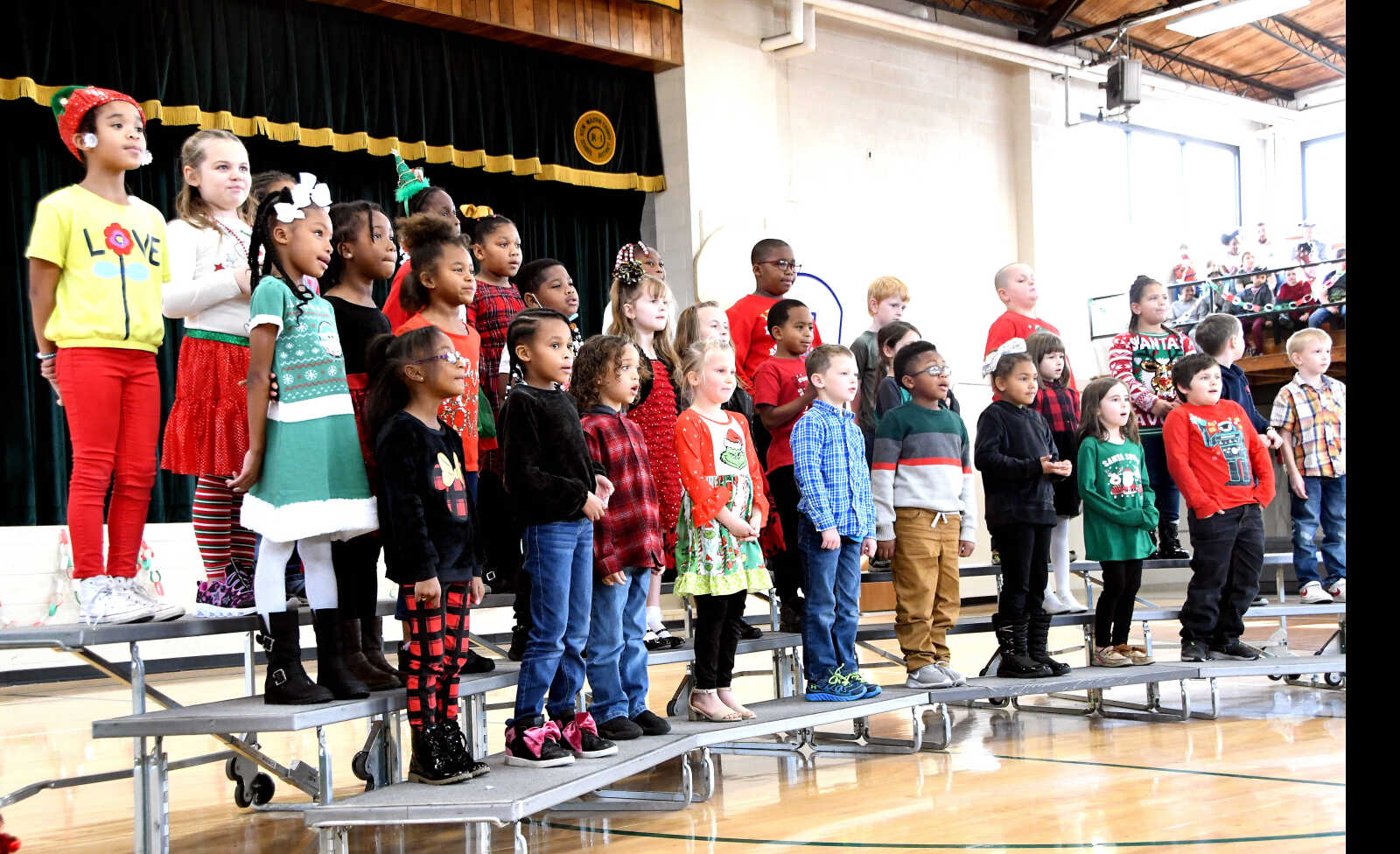
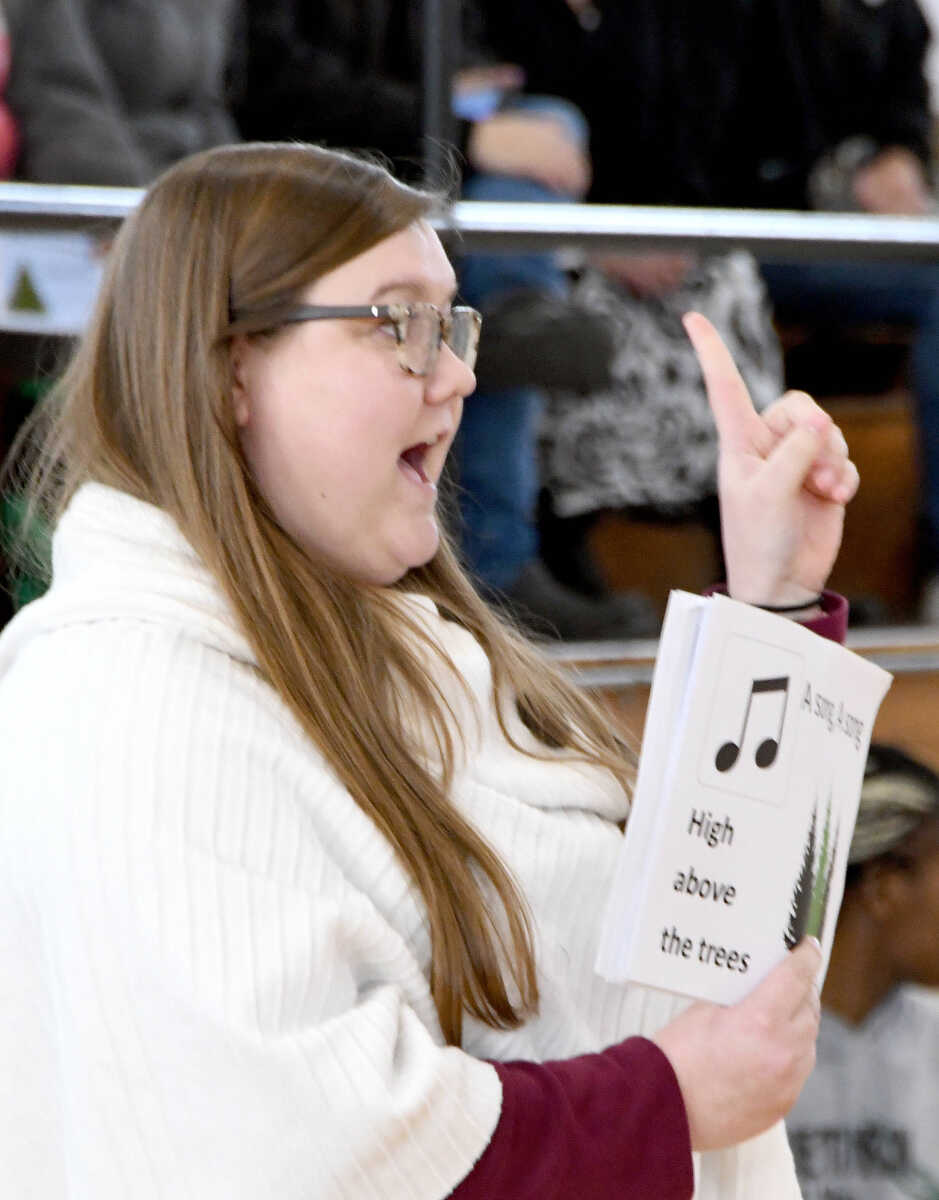
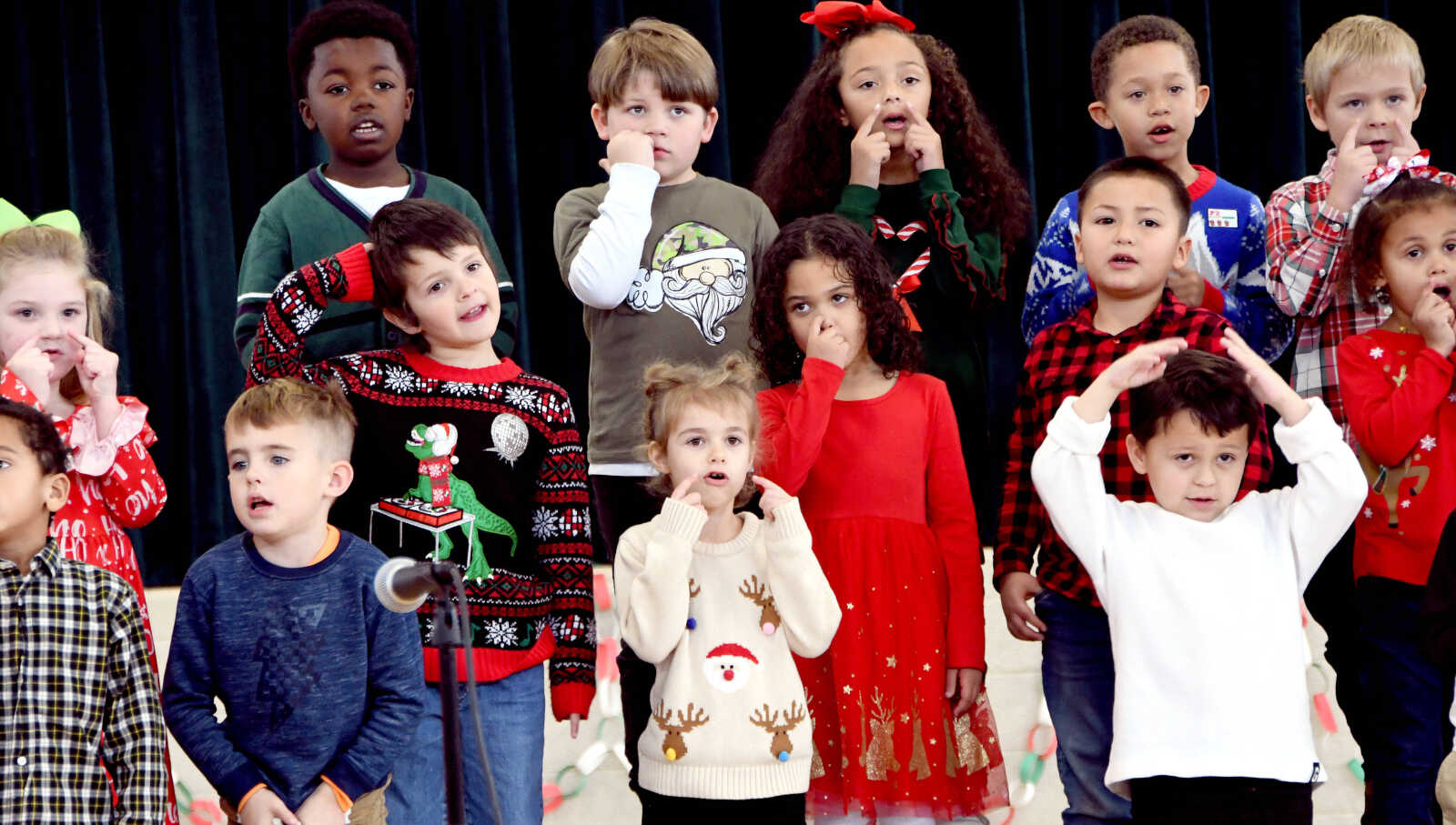
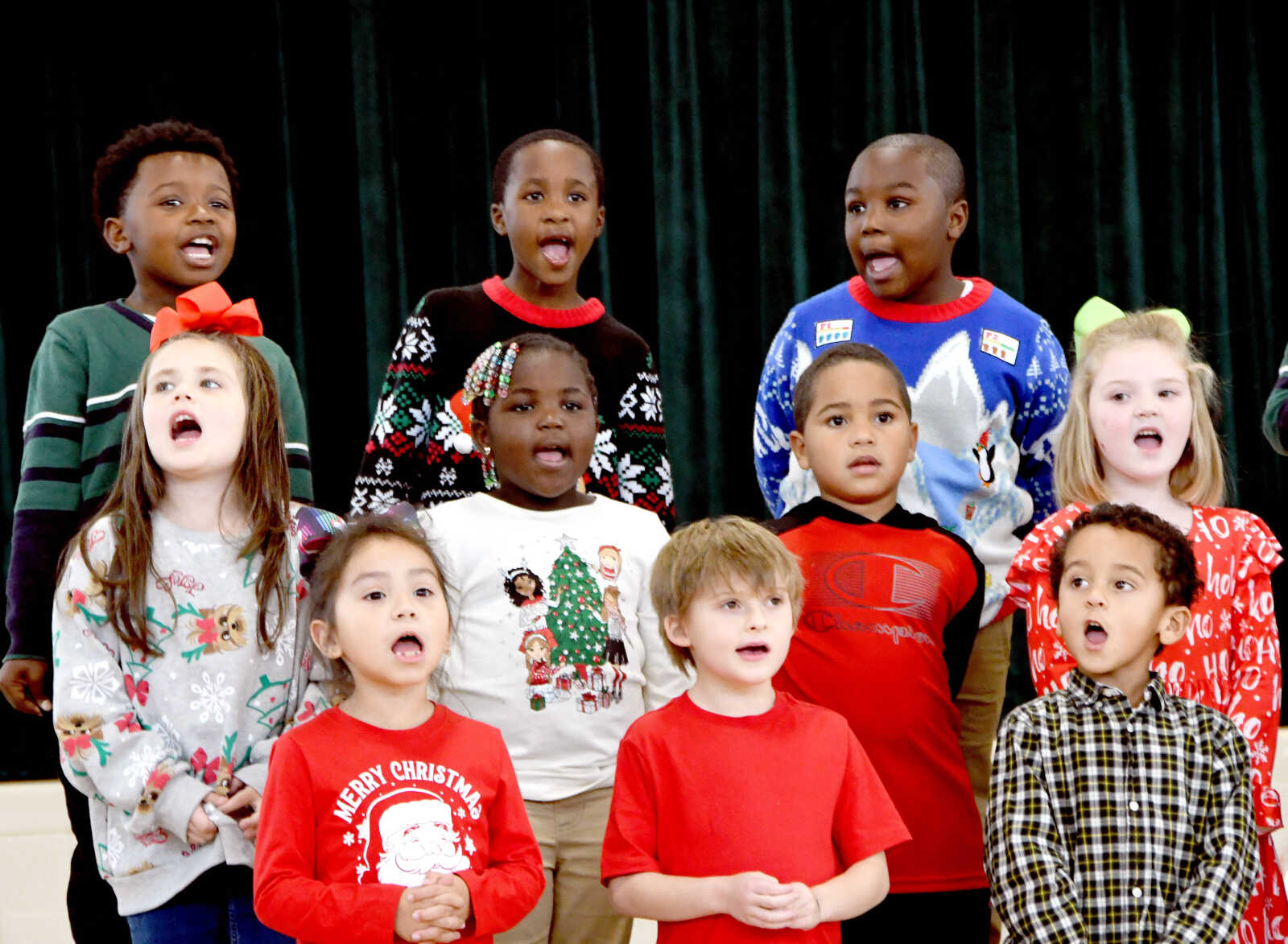
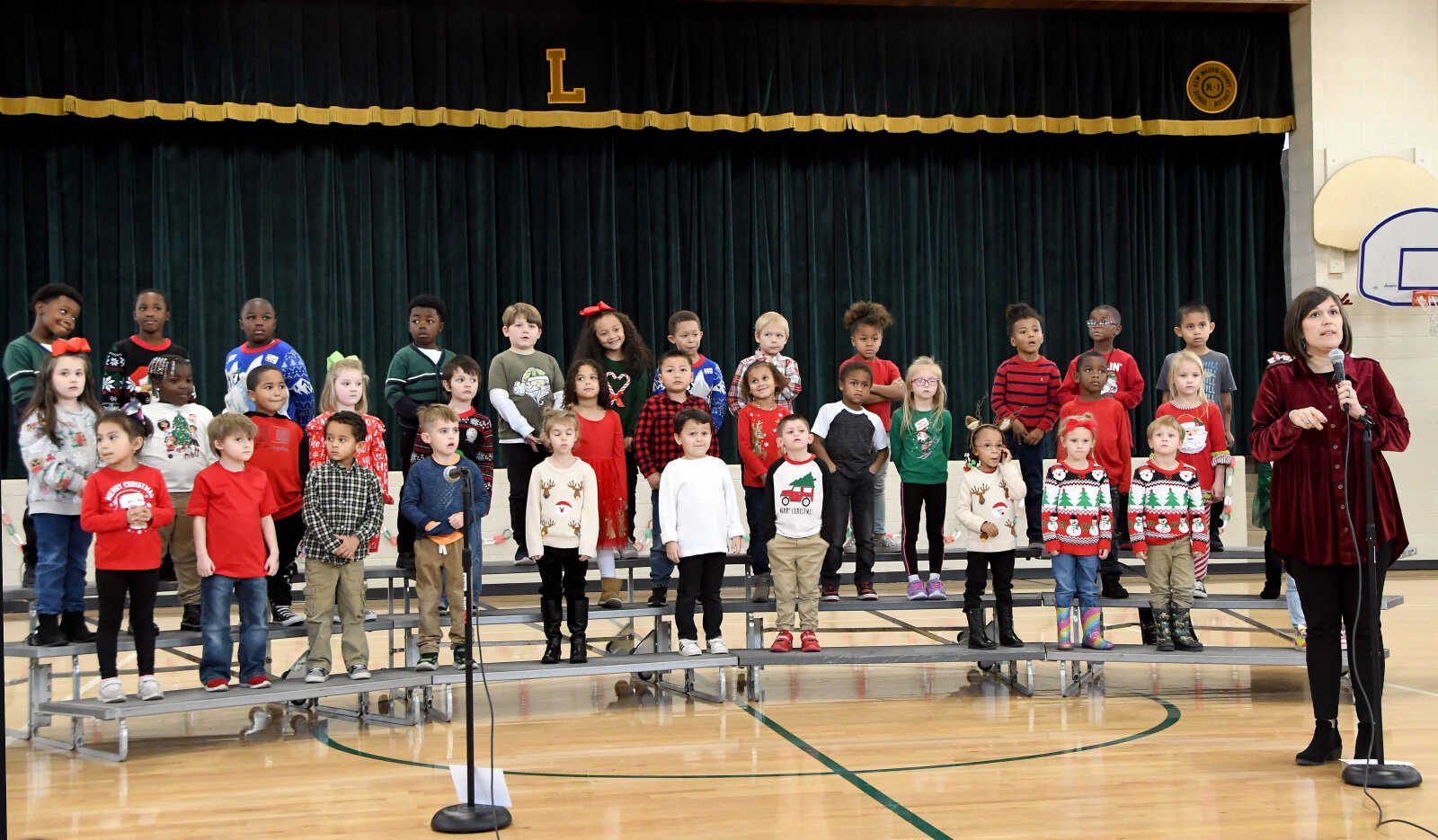
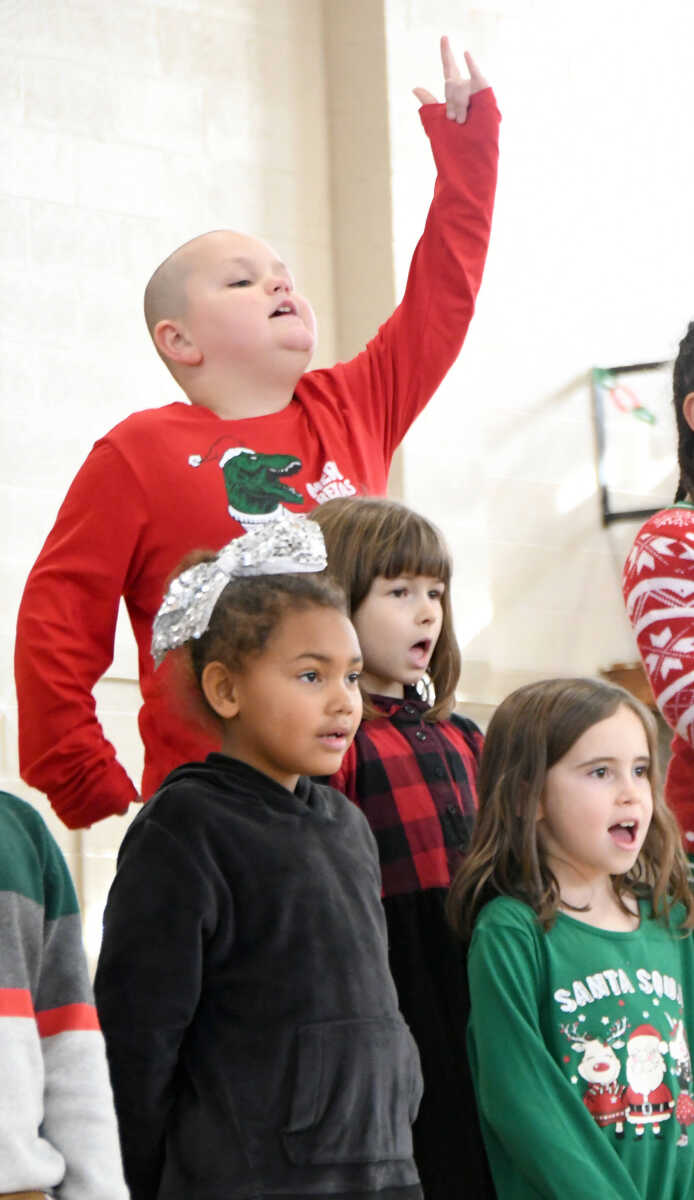
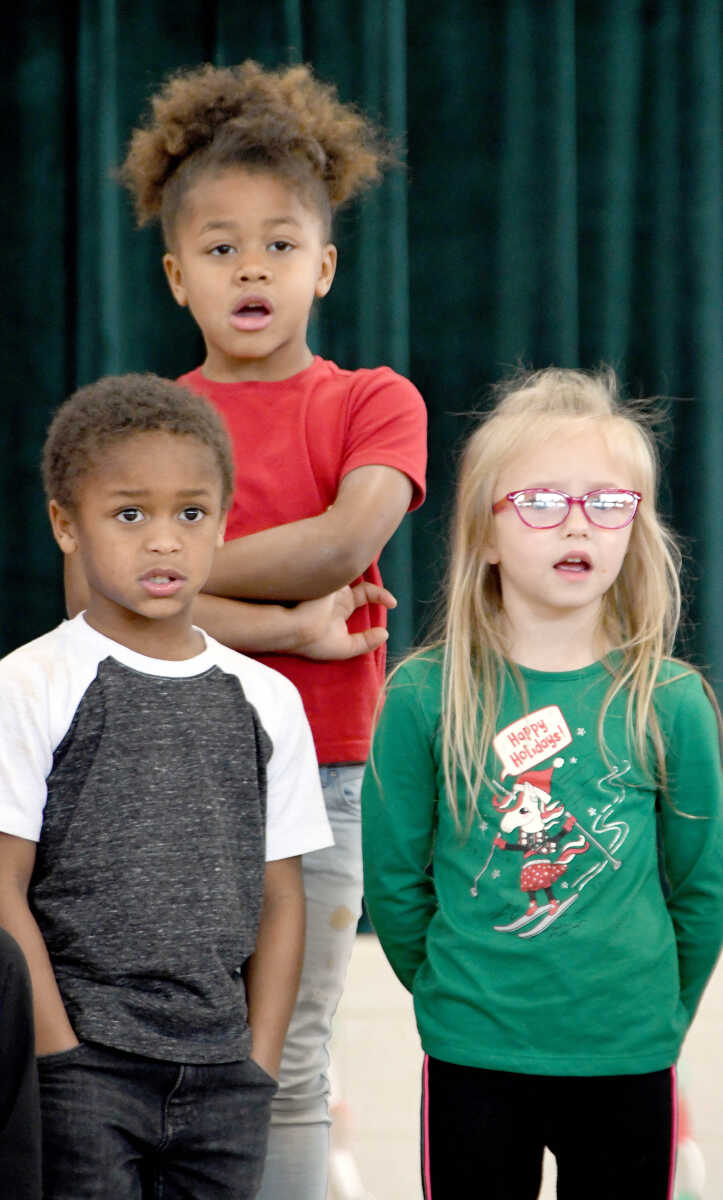
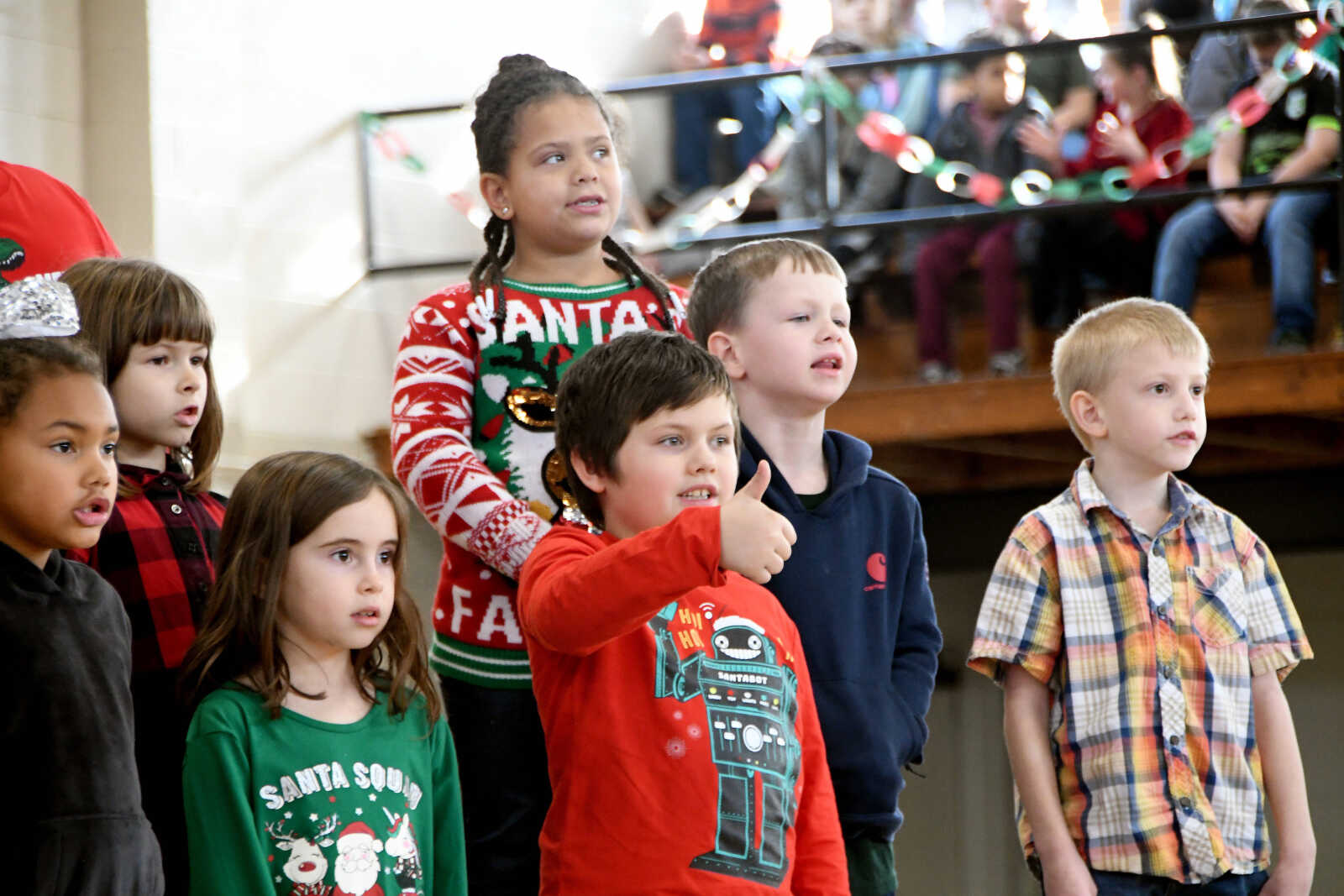
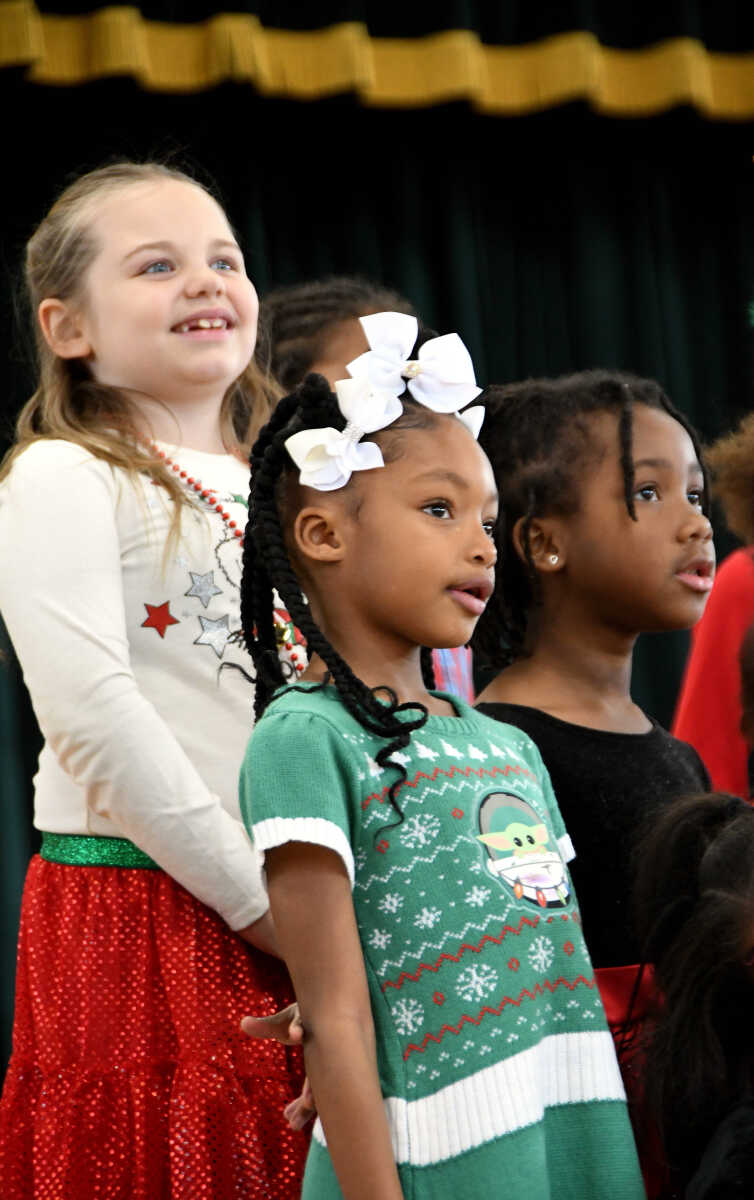
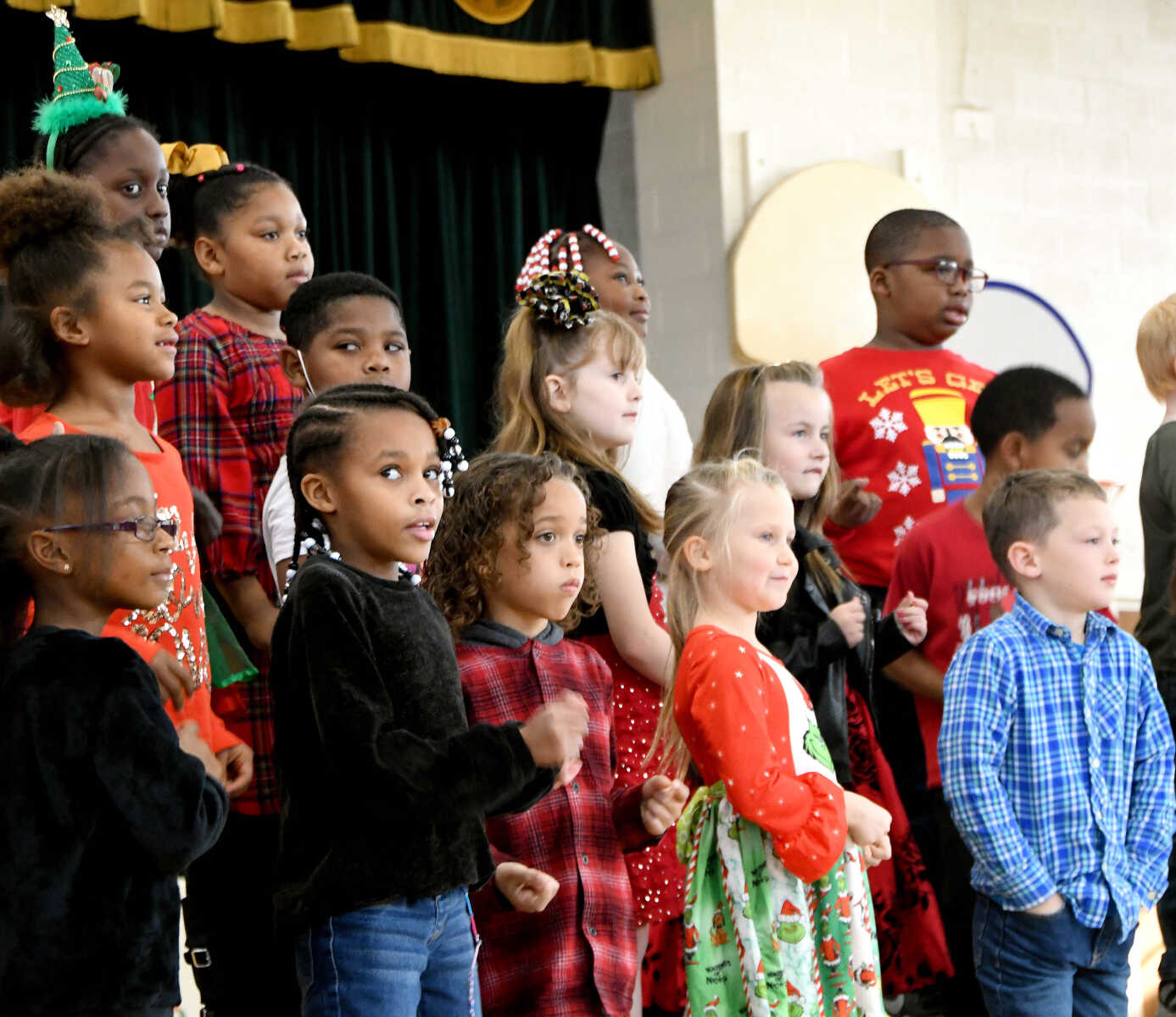
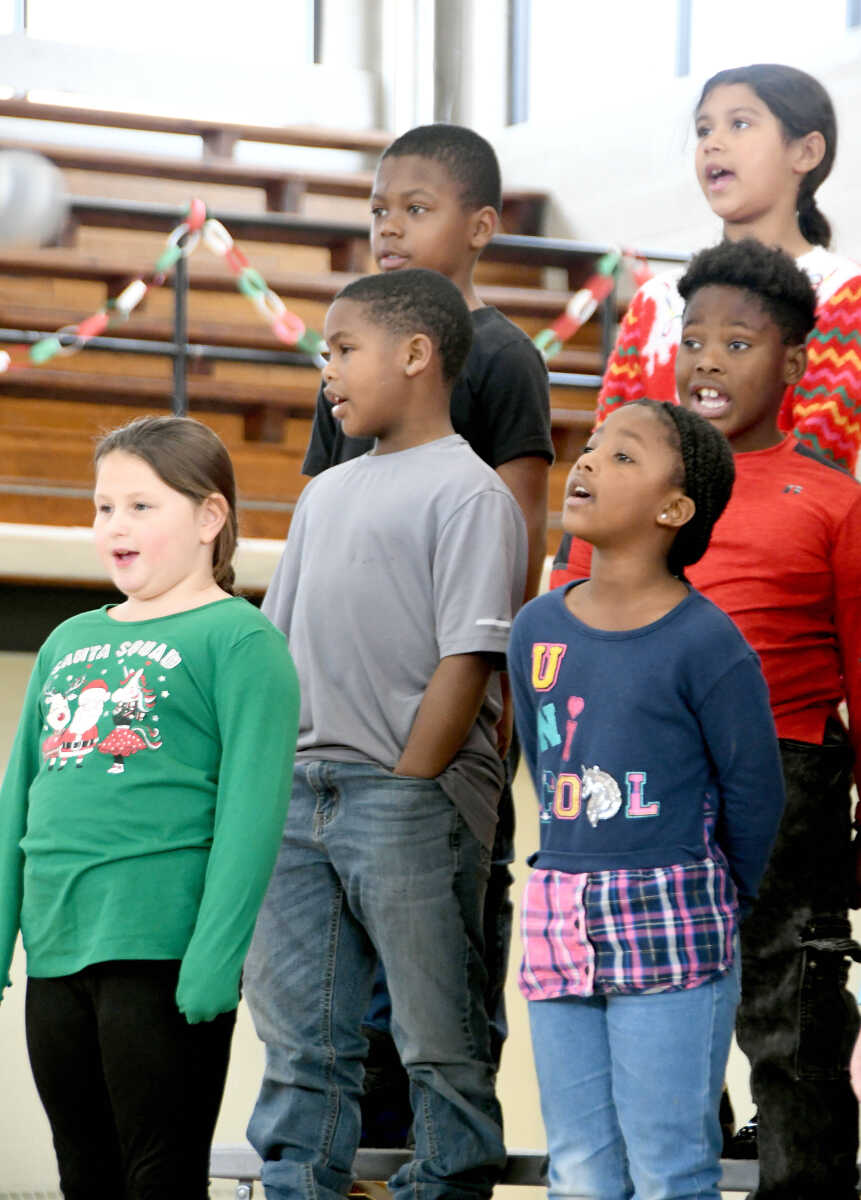
Photo gallery: Lilbourn Elementary School’s “A Classic Christmas” (12/12/21)

Sunday, December 12, 2021

Jill Bock

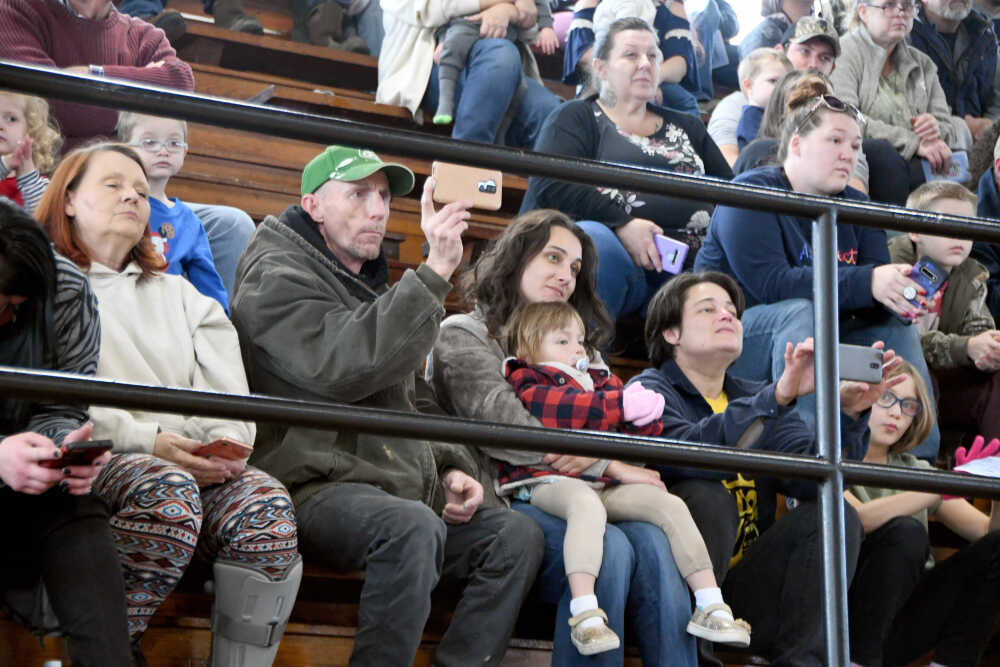
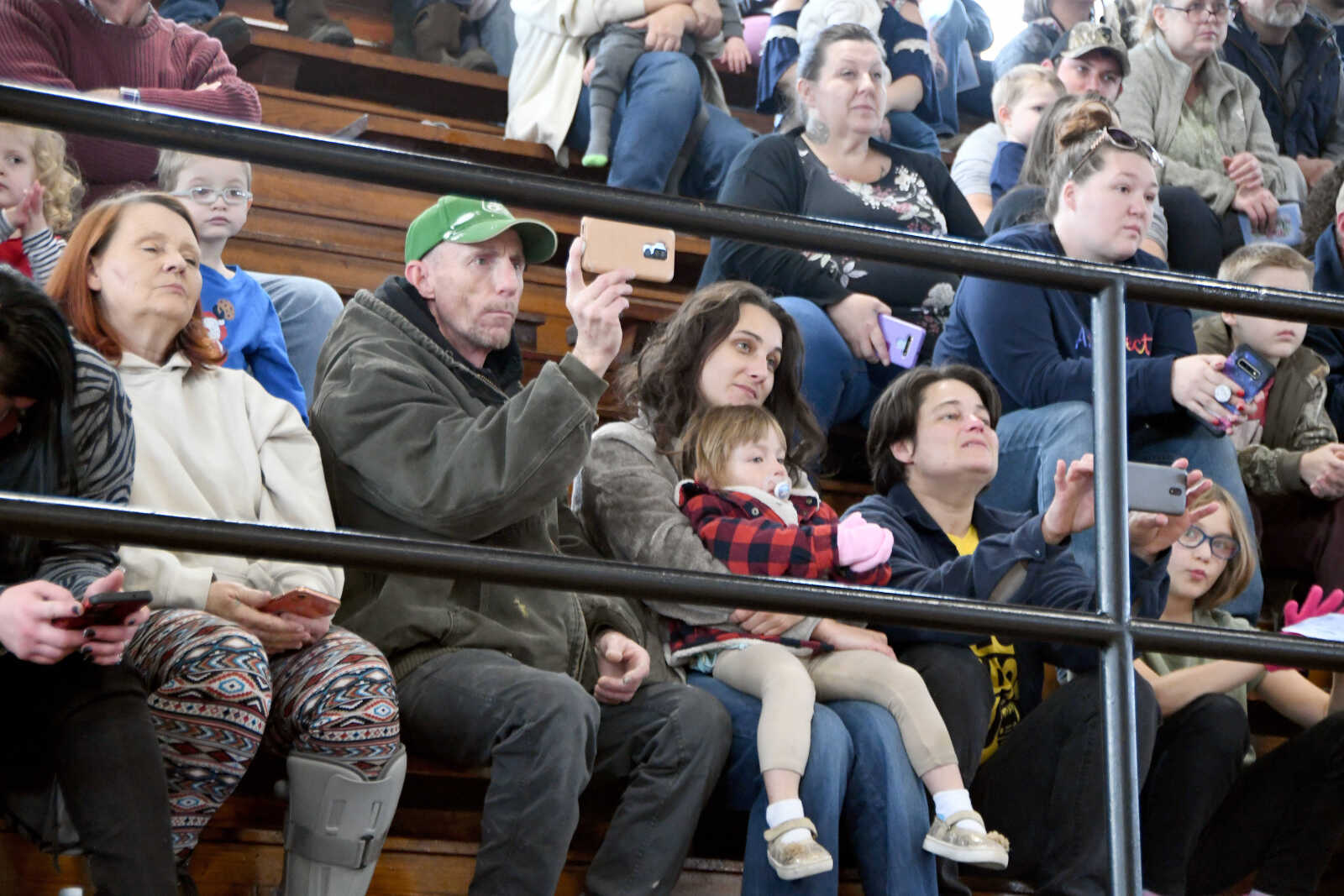
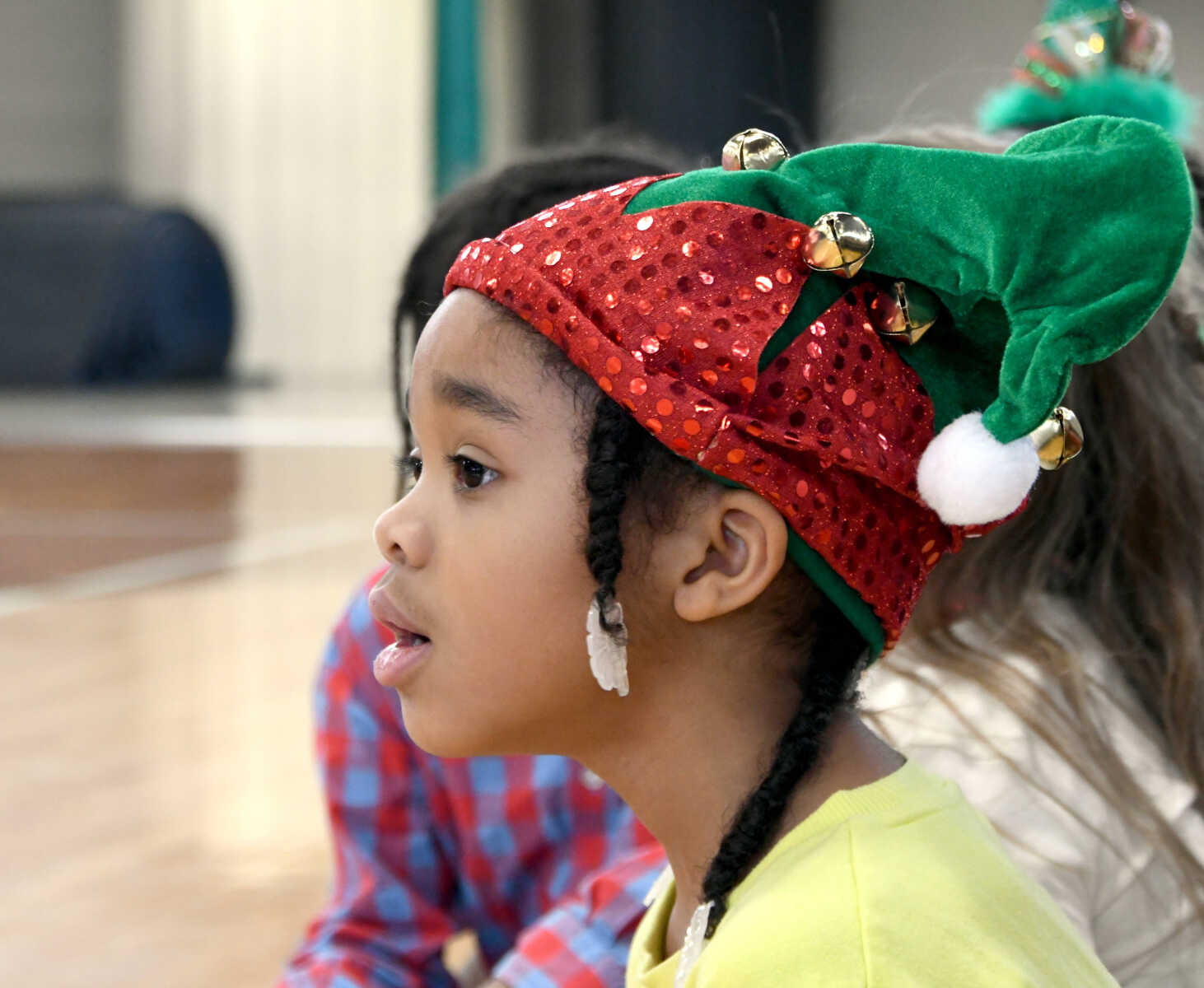
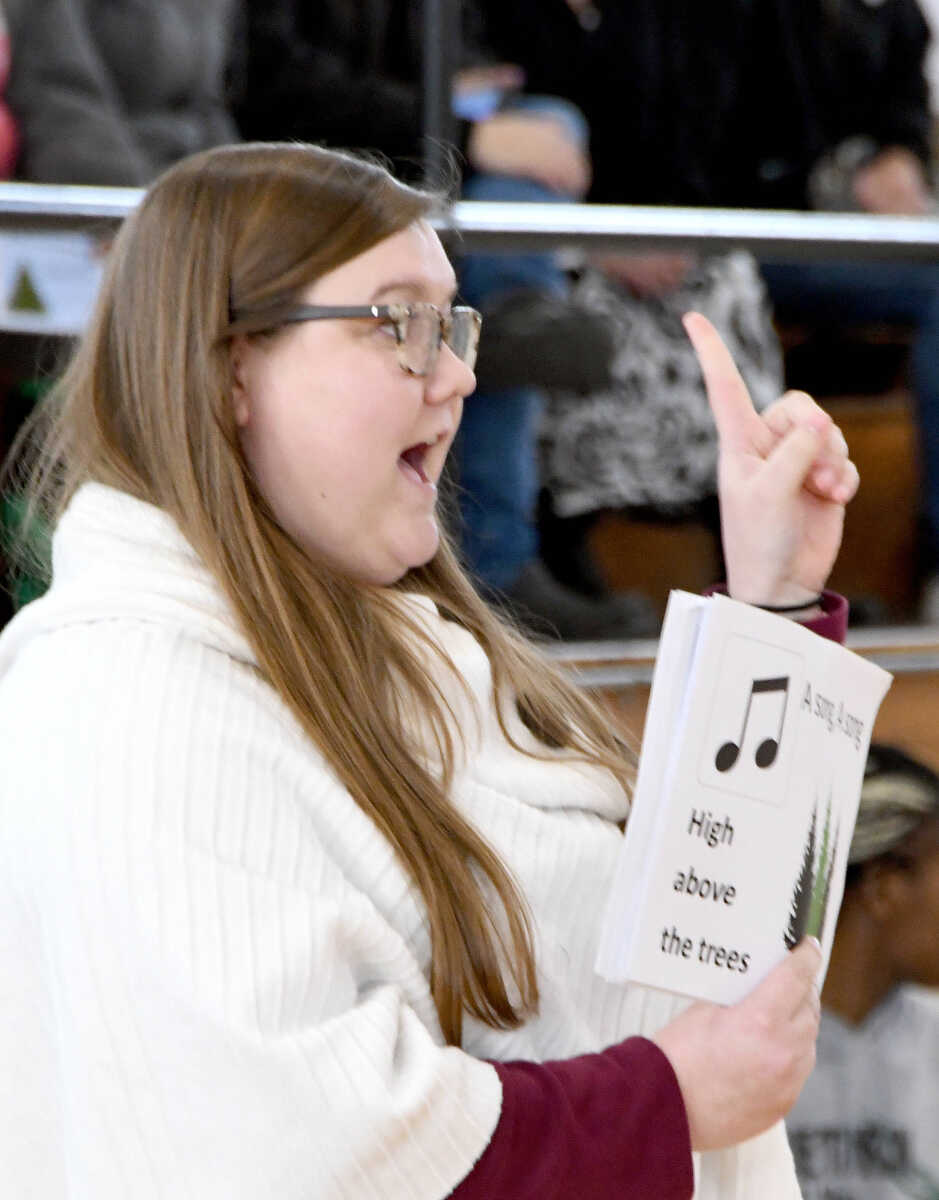
Members of the kindergarten, first grade and second grade at Lilbourn Elementary School performed for family and friends in a concert Dec. 7 at the school.

Labor-Focused Academics Targeted for Their Research

Throttled by both strong-arm tactics from anti-union interests and a chronic lack of support from universities, the field of labor studies has dwindled in the U.S. in recent years.

Researchers in the field have been the target of legal threats and lawsuits, onerous public records requests and misinformation campaigns from union avoidance consultants, business executives, corporate lawyers and conservative think tanks. It’s one aspect of the business lobby’s relentless war against unions in recent decades, which has seen companies spend more than $340 million a year on consultants to defeat organizing efforts by their employees and helped sink union membership.

Labor studies, an interdisciplinary field in academia that examines workplace issues and worker organizations, reveals working conditions that motivate people to want to join a union. Much of the scholarship has illuminated the central role that labor’s decline has played in exacerbating income inequality. In doing so, the field has aroused the ire of anti-union companies and their allies. The field has never been a major force in academia and many centers have been gradually shuttered due to lack of funding or merged with other departments. Only a handful of universities currently offer a major or minor in labor studies. Faculty are often untenured, vulnerable to layoffs and budget cuts, and they are often not replaced when they retire.

“A fairly robust network of university-based labor studies and labor education programs have been under attack,” says Jennifer Sherer, former director of the University of Iowa Labor Center, which was almost eliminated in 2020 amid a firestorm of politically motivated attacks on unions in the state Legislature. The center, which dates back to 1950, is known for education on worker rights when it comes to sexual harassment, health and safety violations, and wage recovery — and, according to Sherer, closing it would have saved “less than one-thousandth of one percent” of the university’s general education budget.

In California, the influential UCLA Labor Center — which conducted research on low-wage employment and led leadership development workshops — was targeted for elimination for years by Republican lawmakers and corporate power brokers. But allies successfully fought back and Gov. Newsom allocated $15 million last July to renovate the center’s historic building.


Only a handful of universities currently offer a major or minor in labor studies. Faculty are often untenured, vulnerable to budget cuts, and they are often not replaced when they retire.


Last year, Veena Dubal, a professor at UC Hastings College of the Law who researches gig work companies, became a target of an endless barrage of social media harassment, misinformation articles and doxxing. The onslaught occurred while the state was debating Proposition 22, a controversial ballot initiative that allowed app-based ride-hailing and delivery companies like Uber and DoorDash to classify their workers as independent contractors.

“It was very frightening,” she said. “The articles were awful, the targeted social media hate like every day, and it hasn’t totally stopped.”

It was a tense time, during which a coalition of gig work companies including Uber, Lyft, DoorDash and Instacart amped up their payments to the Yes on 22 campaign to hire public relations and political opposition research firms. The $200 million campaign mounted an aggressive advertising push — through email, mailings and the apps themselves — to convince voters that drivers are well paid and prefer to be independent contractors and that the quality of service would decline if the measure were passed, though there is no evidence that the campaign included the harassment of Dubal.

“It used to be that in the early 20th century, industrialists hired Pinkertons — private security agencies — to spy on workers and advocates and organizers to undermine effective advocacy on behalf of working people,” said Dubal. “Then we moved into a stage where if you were advocating on behalf of working people, then you’re a communist. Today, in addition to red-baiting, which continues, there’s outright intimidation and harassment — it’s just an evolved form.”

Dubal was also subject to a complaint of illegal lobbying though she doesn’t accept any money for her advocacy work. Mark Bogetich of MB Public Affairs, a public relations firm hired by the campaign, filed a public records act request for months of Dubal’s emails and text messages, which the university handed over. Bogetich is an opposition research consultant who has done work for the tobacco industry and a number of Republican politicians.

This tactic has been used by right-wing organizations like the Freedom Foundation in Washington state. The foundation has filed Freedom of Information Act requests to target labor studies academics at public universities on the West Coast to try to find evidence that public money is being misused to promote unions.

Dubal said she was shocked to receive the request. “The nature of the request, including emails from me to myself, felt overbroad and intrusive — I felt targeted,” she said.

As for UC Hastings, Dubal said, “I have been lucky to have a very supportive dean, and my university did not in any way ask me to tone down my activism. That said, they are compelled by law to comply with the public records act request and did so.”


“In the regulation of gig work, independent academic research has been integral to providing information to regulators to understand what is going on in a way that’s not shaped by the company’s own research and own narrative.”

~ Veena Dubal, professor, UC Hastings College of the Law

 
Academics like Dubal argue that maintaining independent research in the field of labor studies is crucial for the public good. Often unions and other labor organizations do not have the resources necessary to fund such research.

“These companies have hired tons of economists and social scientists to create research that they can then use to justify the regulations that they seek. Those regulations are good for their bottom line, but they are not good for workers and they are not good for the general public,” Dubal said. “In the regulation of gig work, independent academic research has been integral to providing information to regulators to understand what is going on in a way that’s not shaped by the company’s own research and own narrative.”

While the onslaught has been overwhelming, Dubal said it has not had the intended effect. “If you try and prevent me from doing something, I’m likely going to be more determined to do it,” she said. As a tenured professor, her position is secure.

But she said she knows many researchers who don’t write about or research labor studies and other fields because they’re worried about such harassment by corporate interests. “It absolutely has a huge effect on what people study, what they say,” she said. “It has a huge impact. In many ways, I think that these companies, they’re not just looking to intimidate and harass me, they’re looking to make an example of me.”

While most have migrated online, such acts of intimidation used to be more in your face.

For Kate Bronfenbrenner, a professor of labor studies at Cornell University’s School of Industrial and Labor Relations, the first sign that something was not normal at a research conference she attended in the fall of 1992 came as soon as she arrived at the airport. As she opened the door to the car that was sent to pick her up, she was surprised to find the CEO of a management consulting firm waiting for her in the back seat.

He demanded to know what she was presenting and to see her data, she says. She deflected, saying that she hadn’t brought her data and didn’t have a presentation prepared. She held her bag closely, fearing he might try to take it.

“I was a woman alone. It was very frightening,” she said. “He was furious.”


Over the years, hundreds of Cornell business school grads have written to the university saying Kate Bronfenbrenner, an untenured professor of labor studies, should be fired, according to her.


When Bronfenbrenner began research for her Ph.D. dissertation in the mid-’80s, she was surprised to discover that not much had been written about how businesses fight unionizing efforts.

When she published her work, Bronfenbrenner immediately started to get calls from management consultants asking for her raw data. She declined, citing the need to protect her sources. Then the callers would get aggressive, threatening to complain to the president of her university.

The pressure reached a boiling point a few years after the incident at the conference when a company that was one of the nation’s top violators of labor law, according to Bronfenbrenner’s research, sued her for libel. While the case was ultimately dropped — the suit took issue with testimony Bronfenbrenner had given before a congressional town hall meeting, which is considered protected speech — she said the company’s intent was, in part, to obtain the raw data through the discovery process.

Bronfenbrenner said her experiences were symptomatic of a broader hostility from corporations at that time toward researchers who published unflattering research. “Tobacco research was intensifying. There was research on the oil industry and environmental research,” said Bronfenbrenner. “Corporations were hitting back pretty hard.”

Even though it was unsuccessful, the lawsuit served as an example for other researchers. “The purpose was to intimidate other scholars from doing similar research. And I think that was effective,” said Bronfenbrenner. “If you look in the field, you have seen people not be willing to follow in my footsteps. Because they say: ‘Well, look what happened.’”

Over the years, hundreds of Cornell business school grads have written to the university saying Bronfenbrenner, who is untenured, should be fired, according to her. “I’m not very popular among corporate alumni,” she said, as her research is often the primary data used to support labor law reform. Her findings were cited several times in President Biden’s pro-labor campaign plan.

When asked for comment, Cornell affirmed its support for academic freedom.

“Cornell is committed to the fundamental principles of academic freedom. We support academic research and faculty’s freedom to engage in scholarship unrestrained from external interference,” said Joel M. Malina, vice president for university relations at Cornell University. “Such freedoms are essential to the functions of our university as an educational institution.”


The field of labor studies has often been lambasted by conservative lawmakers who consider it union advocacy education that indoctrinates students.


Anti-union consultants in particular, the subject of much of Bronfenbrenner’s research, see that research as a threat to their livelihood. “Part of their business depends on anonymity — or at least, they’re most effective when they’re working in the background,” said John Logan, a professor at San Francisco State University who studies the anti-union consulting industry. “They don’t like being put in the spotlight, their activities examined — they view it as a threat to their business. They’re likely to retaliate.”

Logan, another academic unpopular with the corporate crowd, said one former university president used to joke that he had a special folder on his computer where he kept all the messages he received demanding that he fire the director of labor studies. He’s been threatened with lawsuits, which he said was a common intimidation tactic.

Several consultants contacted by Capital & Main declined to discuss their tactics. But one longtime consultant, who preferred not to be named, defended efforts to obtain university records about labor studies programs, claiming that many of them serve as the “propaganda arm of unions.”

The field of labor studies has often been lambasted by conservative lawmakers who consider it union advocacy education that indoctrinates students. When legislators in Connecticut proposed a bill in 2015 encouraging schools to teach labor union history, Republican state Representative Charles J. Ferraro lashed out: “Capitalism has been under attack and quite frankly I don’t see how this particular bill is going to give a fair, balanced approach in teaching our children.”

Labor studies academics contend that the field can inform how we view everything from law, economics and history to music and literature by focusing on the perspective of the working class, which is often neglected in other disciplines.

”If you compare talking about supply chains from the point of view of the management class with the point of view of the working class, you can just see that those two images are going to look really different,” said Helena Worthen, who has taught labor studies at the University of Illinois and conducted research for the United Association for Labor Education. “And a union doesn’t really have time to do that.”


Copyright 2021 Capital & Main.

Marcus Baram contributed to this story.

Letters to the Editor: Dec. 12, 2021

Moms for Liberty should focus on being role models for their children

Based upon several articles, the genesis of Moms for Liberty is a response from disgruntled former school board members. Moms should be role models for their children and not disgruntled parents.

As Moms for Liberty fights to remove “pornographic” books from schools’ libraries throughout the nation, including Indian River County, I wonder if they will take their children’s cell phones away. That is the more significant threat. Children learn more garbage from the internet (via smartphones) than from approved books that allow children the freedom to learn about life through the teacher’s discussion on the book or having the student write their pros or cons about the book.

Remember, according to authorities, the 15-year-old Michigan school shooter was seen by a teacher searching ammunition on the internet via his phone. Remember his mom’s response by text, “LOL, I’m not mad; next time, try not to get caught.” Then he went on to kill four students and wound six students and a teacher.