Is online teaching serving the purpose?

Is online teaching serving the purpose?

Introduction

COVID-19 pandemic necessitated a significant and rapid shift in teaching and learning strategies across health professions education and educational programs worldwide. Significantly, the need for physical distancing severely constrained traditional face-to-face lectures and teaching strategies and encouraged a shift to be online and virtual teaching strategies.1–4 COVID-19 pandemic situation posed many challenges to healthcare worldwide and medical education. Rose observed that “The need to prepare future physicians has never been as focused as it is now in a global emergency”.5 The COVID-19 pandemic caused worldwide disruptions to the healthcare systems and medical education.5,6 Institutions of higher learning stopped operations physically, and most of the activities are online. Further, the response of medical schools to the COVID-19 pandemic was unprecedented.

Avalon University School of Medicine (AUSOM) is established in Curacao, the Caribbean region offering a Doctor of Medicine (M.D.) program. The M.D. program is of 4-year duration, with the first two years including basic science instruction and the next two years of clinical rotations/clerkships. The first two years of the program consist of basic science courses, including clinical skills. Basic science courses are spread over five semesters, which are from MD1 to MD5 semesters. Basic science courses are multi-disciplinary courses like Human Structure and Function (HSF) 1 and 2 (anatomy, histology, and physiology), Molecular Basis of Medicine (MBM) 1 and 2 (biochemistry and genetics), Mind, Brain, and Behavior (MBB) 1 and 2 (neuroscience and genetics), Diseases, Immunity, and Therapeutics (DIT) 1 and 2 (pharmacology, pathology and microbiology and immunology), epidemiology and biostatistics and clinical skills 1–4.

Face-to-face teaching is where the instructor and the learners meet in an established place for a scheduled time, for either one-on-one learning or, most commonly, in group classroom sessions. The advantages of face-to-face teaching are learners can concentrate better on learning because there’ll be fewer distractions, and learners can gain greater understanding, experiences, and real-world examples from teachers and other students. Learners have a greater chance of completing their course successfully in a classroom environment. (Completion rate of teacher-led classes is almost 5x higher than that of online learning). Learners may feel more comfortable and learn more efficiently in a familiar and traditional classroom environment. Learners can access more information. Learners have the opportunity to connect with, problem-solve, and socially interact with other diversified students from different backgrounds.

The Medical Education Unit (MEU) and dean’s office, in collaboration with the Information Technology (IT) department at AUSOM, provided training and resources for biomedical faculty to develop skills and expertise for delivering courses in virtual teaching methods. These actions were taken for the rapid transition to teaching and learning in virtual environments during the COVID-19 pandemic. In this context, drawing on faculty development program experiences and support during the COVID-19, which caused rapid teaching transition, we handled innovative teaching strategies in virtual environments. We designed and trained the faculty who are relatively new to virtual teaching and had no prior hands-on experience. Faculty with previous experience potentially benefit from new and different perspectives on the application and impact of education through technology presented below.

Online Teaching Platforms

Both content experts and the students needed to adapt to the new normal of using available tools on the internet to continue education.7 Popular platforms or software that are frequently used are WebEx®, Microsoft Teams®, Zoom®, and Google Meet® as these were provided free of charge. For example, Zoom® has forgone its time limit to use the Zoom® application widely. But these also have their limitations given vast usage around the globe as the whole world was being locked down.8 We have been using Google Meet® at AUSOM. All assessments were conducted using Examsoft software. Assessments were proctored using the Google Meet application (video-based proctoring).

Methods of Online Teaching

Methods of remote teaching and learning in medicine were primarily divided into two, which are synchronous and asynchronous teaching. Synchronous instruction is where the lecturer teaches and communicates with the students in real-time online using various video conference applications. Asynchronous teaching is where the lecturers record their lectures or hands-on clinical examinations or set up tasks and assignments for students to complete at a specified time. It is not on a real-time basis. These two methods also have limitations, mainly due to internet availability, connectivity, and time difference.9,10 At AUSOM, the main teaching method during this pandemic was synchronous teaching supplemented with recorded video libraries like “Lecturio.” AUSOM has adjusted the course learning objectives as per the requirement of Emergency Remote Teaching (ERT). AUSOM has given greater attention to students’ engagement during remote teaching. We focused on stimulating students’ interest, concepts around big ideas, required competencies and skills overarching the institutional learning objectives, and integrated multidisciplinary course modules. Different learning strategies, including small-group discussions, problem-based learning, and case-based discussions were employed.

For pre-clinical teaching, which is integrated with the United States Medical Licensing Examinations (USMLE) preparatory curriculum, usually requires clinical exposure and clinical skills right from the beginning. Online teaching posed a moderate challenge to this. Many universities evolved into eliminating lectures and using technology to replace face-to-face interaction, the so-called “active learning” strategy even before the pandemic. They moved towards promoting individualized teaching and enhancing interprofessional education11,12 through active learning strategies. The significant bulk of pre-clinical subjects can be conducted by various platforms, mostly through online, distance, or electronic learning without the face-to-face method. Subjects like physiology, neuroscience, biochemistry, and medical genetics and pharmacology can be taught online. According to Miller’s pyramid,13 most of the skills needed for these subjects are up to understanding the concepts. Hence, the need for face-to-face interaction is not as essential and manageable without face-to-face interactions and hands-on experiences. But it is not the same case for courses like anatomy, clinical skills, microbiology, histology, and pathology, which require labs and hands-on experiences. We aimed to identify advantages and difficulties with this new approach as a necessary replacement for traditional face-to-face lectures. The changes implemented at AUSOM in the first two years of the medical school’s education during the pandemic can be summarized as follows.

  • Basic science instruction- Online didactic live lectures, small group activities, and virtual labs
  • Basic science assessments- being conducted with video-based remote proctoring
  • National board of medical examiners (NBME) comprehensive basic science exams- continuing with video-based proctoring by Zoom

Online teaching has existed for quite some time in a few medical schools, especially during the preclinical period, and there is literature on online teaching and effectiveness. This study aims to study the effectiveness of emergency remote teaching (ERT), which was implemented during the pandemic at AUSOM. This study examines whether online instruction implemented during unprecedented times (ERT) was equally effective as on-campus teaching. This manuscript also explores the stimulators, obstacles, advantages, and disadvantages of remote teaching, which was implemented not as a normal change process but as an emergency change. The effectiveness of ERT and on-campus teaching were compared using course evaluations (student feedback) and students’ performance on assessments. The outcomes that were compared between on-campus instruction and online teaching were course evaluations and students’ performance on assessments (final grades). This is one of the studies comparing on-campus teaching and emergency online (remote) teaching outcomes.

Null Hypothesis- Emergency online (remote) teaching is not effective as on-campus teaching at AUSOM.

Alternate Hypothesis: Emergency online (remote) teaching is equally effective as on-campus teaching at AUSOM.

Methods

This is a mixed concurrent quantitative and qualitative research study. In September-December 2019 semester, the basic science instruction was completely on-campus. In January- April 2020 semester, the basic science instruction was on-campus till March 2020, but it became virtual from March 17th due to lockdown implemented on the island. We did not use the outcomes of the January-April semester to compare with September-December 2019 semester as the January-April semester had both on-campus and online teaching. The outcomes of the May-August 2020 semester which was completely online were compared with outcomes of the September-December 2019 semester. Same faculty members were involved in teaching the same courses between September-December 2019 semester and May-August 2020 semester. The admission criteria and the attributes like grade point average (GPA) remain the same for students of the September-December 2019 and May-August 2020 semesters. There were no changes in the admissions criteria for the selection process of students. The curriculum, including learning objectives, teaching methods, and assessments, were aligned to achieve Bigg’s constructive alignment.

We evaluated the knowledge, skills, and attitudes of students throughout the semester. The students’ “knows” and “knows how” levels (13) were assessed using multiple-choice questions (MCQs). MCQs were employed to assess knowledge, application, and analysis of students. The students’ “shows” level (13) was assessed using standardized patient-based assessments, which were also done virtually. We assessed students’ attitudes and professional behaviors during all sessions, including group activities like small-group discussions, PBL, and case-based discussions. The assessments based on MCQs were standardized using the compromised Hofstee method before the pandemic and during the emergency remote teaching. Clinical skills were assessed using virtual SP-based assessments using Google Meet software. Virtual SP-based assessments by Google Meet replaced the original SP-based assessments. Because we cannot conduct the face-to-face exam format, the students were conducting a telemedicine interview with the standardized patient. Then students type out the encounter after each telemedicine interview. Students will have to verbalize to the Standardized Patients (SPs) the maneuvers they would do if they were in a face-to-face encounter for the virtual exam. The SPs will listen, and after students have finished describing the maneuver, they will report to the student if the findings are normal or any other findings. The borderline group method was used to standardize for performance-based assessments like SP-based assessments before the pandemic and during the emergency remote teaching.

The Research and Ethics committee of AUSOM approved this study.

Quantitative data: Comprised of two components

  • Course evaluations- comparison of course evaluations between September-December 2019 (complete on-campus and face-to-face) and May-August 2020 semesters (complete online instruction)
  • Comparison of students’ performance (Mean class average) in basic science courses between September-December 2019 and May-August 2020 semesters

Quantitative data were collected from the central IT department of AUSOM, where all course evaluations at the end of the semester was compiled using Survey Monkey. Dean’s office and MEU gathered this data every semester for analysis by the dean, quality assurance committee, and curriculum committee. The questionnaire (course evaluations) included a total of sixteen questions (Appendix 1). The responses to the questionnaire were gathered on the Likert scale of one to five. One is strongly disagreeing, two is disagreeing, three is neutral/no opinion, four is agreeing, and five is strongly agreeing. The values of mean and standard deviation were analyzed. SPPSS software was used to calculate p-values by using a t-test to determine any statistically significant difference. The p-values were adjusted to the nearest second decimal values. The students’ performance (grades) on assessments was collected from the Students Information System (SIS). The assessments included multiple-choice questions, oral examinations, objective structured practical examinations, and standardized patient-based assessments. The examinations were similar between September-December 2019 and May-August 2020 semesters. The class averages were calculated using SPSS software and calculated the p-value using a t-test to examine any statistically significant difference. During the collection of data, no personal data was identified.

The research methodology was mixed methodology. After the initial analysis of quantitative data, identified that ERT (online teaching) was equally effective as on-campus teaching. Then we wanted to take the experiential account of students and faculty members of their perceptions and experiences regarding emergency remote teaching using the phenomenology approach. We conducted individual interviews (qualitative data) with students and faculty members to gather their experiences and perceptions regarding emergency remote teaching. The sampling strategy was simple random sampling for students and purposive sampling for faculty as these faculty had experience with remote teaching during the pandemic. We did conduct a total of 19 interviews during September-October 2020. We randomly selected two students from each semester from MD1 to MD5 semesters, and a total of ten students were invited to participate in the interview. We invited all 12 faculty members teaching basic science courses to participate in the interview. All participants were required to sign the consent form. The interview schedule consists of five questions (Appendix 2). All interviews took time around 10–15 minutes. Interviews were audio-recorded. Interviews were conducted either by telephone or personally. Two students who were involved in this research study as authors conducted all interviews to avoid bias due to power relationships. Students were trained on how to run the interviews by the principal investigator. The faculty authors did the data analysis.

All interviews were recorded and transcribed using Happy Scribe software. After verification of its content, we read the transcript carefully, line by line, for familiarization. The transcribed texts were shared with all interview participants for word member checking and validation. We used thematic analysis. The thematic analysis included familiarization, identifying a thematic framework, indexing, charting, and mapping and interpretation. Thematic analysis was done manually. Certain ideas cropped up in the transcript readily, and we gave these a preliminary code. The coding was done by two authors (SBA1 and SBA2). Both SBA1 and SBA2 are physicians by training, and SBA1 completed his master’s in health professions education. Once we generated codes, we shared them with all authors. If there was a disagreement on any of the codes, it was resolved after discussing with other authors. Then we began to identify themes or emergent concepts and engaged in re-coding to develop more well-defined categories.

Results

The response rate for course evaluations was as follows. The response rate for Mind, Brain, and Behavior 2 in September 2019 was eight out of 11 (73{e4f787673fbda589a16c4acddca5ba6fa1cbf0bc0eb53f36e5f8309f6ee846cf}), and in May 2020 semester was 11 out of 13 (85{e4f787673fbda589a16c4acddca5ba6fa1cbf0bc0eb53f36e5f8309f6ee846cf}). The response rate for Diseases, Immunity, and Therapeutics 1 in September 2019 semester was nine out of 11 (82{e4f787673fbda589a16c4acddca5ba6fa1cbf0bc0eb53f36e5f8309f6ee846cf}), and in May 2020 semester was 10 out of 14 (71{e4f787673fbda589a16c4acddca5ba6fa1cbf0bc0eb53f36e5f8309f6ee846cf}). The response rate for Human Structure and Function 1 in September 2019 semester was 12 out of 12 (100{e4f787673fbda589a16c4acddca5ba6fa1cbf0bc0eb53f36e5f8309f6ee846cf}), and in May 2020 semester was 19 out of 19 (100{e4f787673fbda589a16c4acddca5ba6fa1cbf0bc0eb53f36e5f8309f6ee846cf}). The response rate for Human Structure and Function 2 in September 2019 semester was eight out of 10 (80{e4f787673fbda589a16c4acddca5ba6fa1cbf0bc0eb53f36e5f8309f6ee846cf}), and in May 2020 semester was 10 out of 13 (77{e4f787673fbda589a16c4acddca5ba6fa1cbf0bc0eb53f36e5f8309f6ee846cf}). For Clinical Skills I (CS 1), in September 2019 semester, the response rate was eight out of 10 (80{e4f787673fbda589a16c4acddca5ba6fa1cbf0bc0eb53f36e5f8309f6ee846cf}), and in May 2020 semester was 17 out of 19 (89.4{e4f787673fbda589a16c4acddca5ba6fa1cbf0bc0eb53f36e5f8309f6ee846cf}). The response rate for Clinical Skills 2 (CS-2) in September 2019 semester was nine out of nine (100{e4f787673fbda589a16c4acddca5ba6fa1cbf0bc0eb53f36e5f8309f6ee846cf}), and in May 2020 semester, 16 out of 16 (100{e4f787673fbda589a16c4acddca5ba6fa1cbf0bc0eb53f36e5f8309f6ee846cf}). Students’ responses for most of the questions, mean values have no statistically significant difference (p<0.05) between on-campus teaching and online teaching (Tables 1Table 4). The t-test was used to assess the statistical significance as the responses on course evaluations were normally distributed with homogeneous variance. Even if there is a difference, the mean values or students’ responses were better with emergency online (remote) teaching (Tables 1–4). Students’ performance in assessments in each course was compared between September 2019 and May 2020 semesters. Students’ grades were normally distributed with homogeneous variance, and the t-test was used to assess the statistical significance. There was no statistically significant difference (p<0.05) between the two semesters (Table 5) except for two courses, Mind, Brain, and Behavior 2 and clinical skills 2.

Table 1 Comparison of Course Evaluations for the Courses Mind, Brain, and Behavior (MBB) 2

Table 2 Comparison of Course Evaluations for the Courses Diseases, Immunity and Therapeutics (DIT) I

Table 3 Comparison of Course Evaluations for the Courses Human Structure and Function (HSF) 1 and 2

Table 4 Comparison of Course Evaluations for Clinical Skills 1 and 2 Courses

Table 5 Comparison of Students’ Performance in Different Courses Between Two Semesters

We were able to interview all ten students out of ten students that were invited for the interviews (100{e4f787673fbda589a16c4acddca5ba6fa1cbf0bc0eb53f36e5f8309f6ee846cf} response rate). We were able to interview nine faculty members out of 12 faculty members that were invited for an interview (75{e4f787673fbda589a16c4acddca5ba6fa1cbf0bc0eb53f36e5f8309f6ee846cf} response rate). Thematic analysis of the qualitative data identified the following themes.

Earlier Experience with Online Teaching and Learning

Most faculty members said they did not have any previous experiences with online teaching. Four faculty members did distance learning programs for their education. All other faculty members felt that this online teaching and training were new. Few students did some online courses in the past but not in medical school. Before joining the medical school, the students who did online programs felt that it could help the students with part-time jobs. Most faculty members felt that they had never thought of online teaching in medical school before the pandemic.

Stimulators for Emergency Remote Teaching

Current Circumstances and Ongoing Pandemic

All faculty members and students felt that the major stimulator for remote teaching in the current circumstances is the ongoing pandemic of COVID-19. All of them felt that this pandemic forced us to do remote teaching. Online instruction for basic science courses is the only option to complete education, especially in this tough and unprecedented time. One of the faculty members quoted that,

we have all kinds of resources and technologies and this can be simulated on devices like laptops, mobiles, and then the students can learn and practice using those technologies that are available. (faculty interviewee 1)

Saving Time

The other major stimulator mentioned by students is saving time. One student quoted that, “I think it’s

Time, even before if I wake up at 6 am, I will spend most of the time in getting dressed up for school and getting ready and now even though I wake up at 6 am I will spend 15 min for fresh up, and I can use the rest of the time to pre-read (student interviewee 1)

Students also felt that online education could be helpful for students with financial issues and physical disabilities.

Obstacles for Emergency Remote Teaching

Technological Difficulties and Technical Challenges

The major barriers mentioned by faculty members and students are technological difficulties, power issues, and network problems, sometimes. Some of the faculty members might not understand or acknowledge the technical challenges that students are going through. The other obstacle is time differences (different time zones). This is especially an issue with synchronous remote instruction.

Online Fatigue and Lack of Personal Interactions

The other obstacle for synchronous remote instruction is that faculty members get fatigued with online education as they must spend more time explaining the same concept. It could have been done in less time in on-campus teaching. One student felt that some of the faculty members were not ready for remote classes. One student felt that class could be very monotonous in remote education when no personal interaction between the students and faculty members.

Advantages of Emergency Remote Teaching

Convenience and Flexibility

The major advantages of remote teaching are the availability of many resources and technologies and complementing the didactic lectures with these technologies. Remote teaching is very convenient and flexible. The other advantage cited by the faculty members and students is that remote teaching can have sessions recorded, and recorded videos can be played again. Students can always go back to the point where there was a conclusion that, as in in-person lectures, we cannot do that. The other advantage mentioned was that faculty and students could be anywhere in the world.

Saving Time and Other Benefits

One of the most important advantages students mentioned is saving time with remote teaching, as they are not required to go to the school’s campus. The other advantage is that introverts and shy students became very communicative and interact well during online classes.

Disadvantages of Emergency Remote Teaching

Limited Hands-on Experience and Personal Interactions

Most of the faculty members and students felt that the major obstacle to remote teaching is the lack of hands-on experiences and personal interaction. Even though we were conducting virtual labs, some faculty members and students felt that they were missing labs and hands-on experiences, especially for courses like anatomy and clinical skills. Remote teaching lacks classroom experience, which is the major disadvantage of missing personal connection. One faculty member quoted that “there is verbal communication and there is nonverbal communication.

As a teacher, you can look into the students” eyes and ask them questions, and they can also look into the teacher’s eye and answer or ask questions (faculty interviewee 3)

Professional training requires visual, auditory, tactile, and every part of your faculties to be ministering to the student. Sometimes students can switch off the camera and disappear from the class. Some faculty members quoted that it is very difficult to track students’ attendance during class hours.

Lack of Motivation

Another disadvantage associated with remote teaching is the lack of motivation for students. Procrastination is one of the problems in online learning and training. Students must be kept motivated, and communication between faculty and students is the key. One of the faculty members quoted that,

The main obstacle for online teaching is the students” self-motivation might be missing. In face-to-face interactions, they learn from group studies and with the faculty interaction and then the personal experiences they have and then hands-on experiences. They are missing like a lot of group interaction (faculty interviewee 7)

.

Discussion

The COVID-19 pandemic is continuing and will remain to disrupt medical teaching and training. COVID-19 has caused unprecedented interruption to the medical education process and healthcare across the globe.14 The current COVID-19 pandemic presented various challenges like challenges to faculty in shifting from face-to-face to online teaching challenges to students in moving to remote learning, challenges in conducting the assessment, challenges in accessing the internet and using digital technology, and challenges to an institution in organizing online teaching and learning activities during the lockdown. It is said that challenges bring opportunities. COVID-19 may also bring opportunities. Medical educators have initiated the process of transforming education and improving quality before the COVID-19 outbreak. The COVID-19 pandemic has, however, changed the landscape of medical education. The situation has forced medical educationalists to think “out of the box” and act innovatively using advanced digital technology. The existing COVID-19 pandemic has motivated us to transform education methods, modalities, and processes, initially requiring greater effort. Still, it provides teachers, faculty, and facilitator impetus to keep pace with current technology trends, eg, digital gadgets, programs, and software, modified forms of media with innovative audiovisual aids. This is a new experience or opportunity to learn, understand, and update unique needs and new modes of delivery of medical education for all stakeholders involved. It may also have a long-lasting impact on healthcare.

The attitude and readiness of educators running or engaging in remote education are crucial. As key stakeholders, educators should be seen as educators and be supported and developed, including the faculty development in both delivery and design of online teaching.15 This could be evident in our efforts to emphasize the requirement of faculty development activities for our biomedical educators. We did a few faculty development activities just before the transformation to emergency remote (online) teaching. These faculty development activities were focused on how to use digital technologies for online teaching. This led to successful emergency online (remote) teaching for our basic science courses, which is evident in course evaluations.

The literature on remote learning in medical students before the COVID-19 pandemic has found that though students feel it complements their education, they do not see it as an acceptable replacement for in-person learning.16,17 By now, many medical schools due to COVID-19 have created online coursework so that students can continue education and training from home.18,19 In most medical institutions, alternative virtual coursework was adopted, such as e-learning modules, video vignettes, and virtual reality simulators.20 Although the significant amount of time in the medical curriculum in pre-clerkship is allotted for didactic lectures, anatomy labs (Grant’s Dissector Videos), clinical skills lab sessions (telemedicine/telehealth concepts), small group sessions, problem-based Learning (PBL) sessions, and other labs (virtual labs like virtual microscopy in histology and pathology) at AUSOM also implemented and incorporated in emergency remote (online) teaching and training. This allowed students’ active engagement and participation during online instruction, which was done during these emergent times. This could be evident from course evaluations. The last but one question on the survey (courses evaluations) is that if students contribute constructively to in-class activities, there is no statistically significant difference between on-campus teaching and remote teaching (Tables 1–4). We recommend adapting interactive remote learning lectures using highly sophisticated technologies and virtual clinical case-based discussions. Such measures would help students adjust to this way of medical teaching even during emergent times.

Emergency remote (online) teaching could be successful if learning objectives, teaching methods, and assessment methods are in alignment, which is referred to as constructive alignment.21 The other important key factor is students’ engagement in classroom activities. This was achieved by emphasizing the pedagogy of adult learning principles. Adult learning principles were implemented using various teaching-learning strategies, including small group discussions, self-directed learning, pre-reading assignments, and hands-on experiences, including labs employed during our emergency online (remote) teaching. This led to sufficient satisfaction of learners, which could be evident in course evaluations.

Students’ satisfaction with feedback was satisfactory because of providing effective and specific feedback provided on time,22 even during the emergency remote (online) teaching. The feedback was provided to all students using the Google Meet platform. All departments were instructed to give feedback at least twice a semester. In addition, students can request an appointment and meet with the faculty member to receive feedback and academic guidance using the Google Meet platform. Students’ responses for most of the questions, mean values have no statistically significant difference (p<0.05) between on-campus teaching and remote teaching (Tables 1–4). Even if there is a difference, the mean values or students’ responses were better with remote teaching (Tables 1–4). Students’ were satisfied, and they felt they were achieving course learning objectives, and they were actively engaged in classroom activities because of innumerable opportunities for them. This was achieved due to small group activities, including case-based discussions and PBL, virtual labs, and clinical skills teaching using standardized patients. Students practiced history taking and interviewing skills with standardized patients using Google Meet, verbalizing physical examination, and physical examination videos.

Students’ performance in assessments in each course was compared between September 2019 and May 2020 semesters. There was no statistically significant difference (p<0.05) between the two semesters (Table 5) except for two courses, Mind, Brain, and Behavior 2 and clinical skills 2. AUSOM has given greater importance to Bigg’s constructive alignment (21) during this emergency remote teaching. The course learning objectives, instructional methodologies, student involvement in classroom activities, and assessments are aligned. This could be evident in course evaluations (student feedback). Students were satisfied with course learning objectives, and students were aware of course learning objectives. Students were satisfied with teaching methods, and they felt that they were achieving course learning outcomes and involved in classroom activities. Students also felt that the assessments were in support of course learning objectives.

Even though the quantitative data have shown no statistically significant difference between on-campus teaching and remote teaching, we did interviews to investigate whether quantitative and qualitative data complement each other. The data analysis of interviews has shown both advantages and disadvantages to emergency remote (online) teaching. The advantages include the availability of different technologies, resources, and platforms for online teaching. The other advantage is remote teaching is flexible and convenient. The other most important advantage is saving time for students as they do not need to get prepared and travel to the campuses. Students and faculty are well adopted during difficult and unprecedented times. All students and faculty agreed that emergency remote (online) teaching is the only option to teach basic science courses during this pandemic as campuses are not open. This change in medical education is seen as an emergency change rather than as a standard change process.

But most of the faculty members and students also have expressed their dissatisfaction with emergency remote (online) teaching. The main disadvantage of remote teaching is the lack of classroom experience and personal interaction. The other disadvantage is limitations on labs and hands-on experiences even though virtual labs are conducted. This was of major concern for anatomy and clinical skills courses. The biggest challenge for students is not having study groups as they are not on campus and lacking motivation. This can be rectified if students contact their peers using social media and online platforms and adequate communication with their faculty members. The other difficulties with online teaching are technical challenges and network issues.

Limitations

This study was conducted at a single institution. Another limitation is the cross-sectional nature of the study design. This necessitates the requirement of conducting longitudinal studies in different institutions. Another limitation of our study is the small sample size that was used for quantitative data. But the sample size for qualitative data is adequate as we were able to do 19 interviews, and there was no further new information added after some interviews.

Conclusions

We found that medical students had different knowledge, attitudes, and practices regarding the emergency remote (online) learning process. Our quantitative data results have shown no statistically significant difference in either course evaluations or students’ performance on assessments with a very few exceptions. This shows that emergency remote (online) education served the purpose in the first two years of medical school during the COVID-19 pandemic in terms of effectiveness regarding students’ performance in assessments and students’ feedback on course evaluations. The thematic analysis of interviews revealed the advantages and disadvantages of emergency remote (online) teaching. The advantages of online instruction are flexibility and comfort, and students are able to save time. The disadvantages are technical challenges, network issues, students lacking motivation, lack of personal interaction, and limitations on lab and hands-on experiences. The results may not be generalized to other institutions. Further studies in different institutions must validate them to see the remote learning platform’s utility as a teaching and learning mode, especially for basic science courses. Such replication studies in multiple institutions could help determine whether remote education can replace traditional medical lectures in the first two years of medical school. Medical schools might look at didactic lectures online either during urgent times or as a regular change process, and small group discussions, seminars, and labs require on-campus instruction. Remote education in the first two years of medical school can succeed if students and faculty are appropriately engaged and actively involved in in-class activities. Provide structure to the classroom activities, give students time, and provide feedback to students to make online education successful.

Abbreviations

AUSOM, Avalon University School of Medicine; M.D, Doctor of Medicine; HSF, human structure and function; MBB, Mind, Brain, and Behavior; DIT, Diseases, Immunity, and Therapeutics; MEU, medical education unit; IT, Information Technology; USMLE, United States Medical Licensing Examinations; NBME, National Board of Medical Examiners; GPA, grade point average; MCQ, multiple choice questions; PBL, problem-based learning; SIS, student information system.

Data Sharing Statement

Raw data and materials are available.

Ethical Approval and Consent to Participate

This study is approved by the Research and Ethics committee of Avalon University School of Medicine. Informed written consent was taken from all participants (students and faculty members) and they had a right to decline participation in this study.

Consent to Publish

We haven’t used any identifiable personal information or 3rd party images or videos.

Acknowledgments

The authors would like to acknowledge all faculty members and students who participated in the interviews.

Funding

No external or internal funding received.

Disclosure

The authors declare that they have no conflicts of interest for this work.

References

1. Carlson ER, COVID-19 and educational engagement. J Oral Maxillofac Surg. 2020;78(7):1049–1051. doi:10.1016/j.joms.2020.04.033

2. Collins B, Day R, Hamilton J, Legris K, Mawdsley H, Walsh T. 12 tips for pivoting to teaching in a virtual environment. MedEdPublish. 2020;4:1–11.

3. DeFilippis EM, Stefanescu Schmidt AC, Reza N. Adapting the educational environment for cardiovascular fellows-in-training during the COVID-19 pandemic. J Am Coll Cardiol. 2020;75(20):2630–2634. doi:10.1016/j.jacc.2020.04.013

4. Prem K, Liu Y, Russell TW, et al. The effect of control strategies to reduce social mixing on outcomes of the COVID-19 epidemic in Wuhan, China: a modelling study. Lancet Public Health. 2020;5:e261–e270. doi:10.1016/S2468-2667(20)30073-6

5. Rose S. Medical Student Education in the Time of COVID-19. JAMA. 2020;323(21):2131–2132. doi:10.1001/jama.2020.5227

6. Mian A, Khan S. Medical education during pandemics: a UK perspective. BMC Med Educ. 2020;18(1):100. doi:10.1186/s12916-020-01577-y

7. Moszkowicz D, Duboc H, Dubertret C, Roux D, Bretagnol F. Daily medical education for confined students during COVID-19 pandemic: a simple video conference solution [published online ahead of print, 2020 Apr 6]. Clin Anat. 2020. doi:10.1002/ca.23601

8. Rashid AA, Mohd Radzniwan AR, Yaman MN, Mohamad I. Teaching medicine online during the COVID-19 pandemic: a Malaysian perspective. Bangladesh J Medical Sci. 2020;19:e45.

9. Lowenthal P, Borup J, West R, Archambault L. Thinking beyond zoom: using asynchronous video to maintain connection and engagement during the COVID-19 pandemic. J Technol Teacher Educ. 2020;28(2):383–391.

10. Mukhtar K, Javed K, Arooj M, Sethi A. Advantages, limitations and recommendations for online learning during COVID-19 pandemic era. Pak J Med Sci. 2020;36(COVID19–S4):S27–S31. doi:10.12669/pjms.36.COVID19-S4.2785

11. Irby DM, Cooke M, O’Brien BC. Calls for reform of medical education by the Carnegie foundation for the advancement of teaching: 1910 and 2010. Academic Medicine. 2010;85(2):220–227. doi:10.1097/ACM.0b013e3181c88449

12. Skochelak SE, Stack SJ. Creating the medical schools of the future. Academic Medicine. 2017;92(1):16–19. doi:10.1097/ACM.0000000000001160

13. Miller GE. The assessment of clinical skills competence performance. Acad Med. 1990;65:S63–S67. doi:10.1097/00001888-199009000-00045

14. Woolliscroft JO. Innovation in response to the COVID-19 pandemic crisis. Academic Medicine. 2020;95(8):1140–1142. doi:10.1097/ACM.0000000000003402

15. Baran E, Correia AP. A professional development framework for online teaching. TechTrends. 2014;58:96–102. doi:10.1007/s11528-014-0791-0

16. Ruiz JG, Mintzer MJ, Leipzig RM. The impact of e-learning in medical education. Academic Medicine. 2006;81(3):207–212. doi:10.1097/00001888-200603000-00002

17. Huynh R. The role of E-learning in medical education. Academic Medicine. 2017;92(4):430. doi:10.1097/ACM.0000000000001596

18. Evans DJR, Bay BH, Wilson TD, et al. Going virtual to support anatomy education: a STOP GAP in the midst of the Covid-19 pandemic. Anat Sci Educ. 2020;13:279–283. doi:10.1002/ase.1963

19. Srinivasan DK. Medical students’ perceptions and an anatomy teacher’s personal experience using an e-learning platform for tutorials during the Covid-19 crisis. Anat Sci Educ. 2020;13:318–319. doi:10.1002/ase.1970

20. Lim EC, Oh VM, Koh DR, Seet RC. The challenges of “continuing medical education” in a pandemic era. Ann Acad Med Singapore. 2009;38(8):724–726. doi:10.1097/00152193-200601000-00041

21. Biggs J. The definitive guide to constructive alignment. Teaching for quality learning at University. Buckingham: SRHE and Open University Press; 1999.

22. Norcini J, Burch V. Workplace-based assessment as an educational tool: AMEE Guide No. 31. Med Teach. 2007;29(9):855–871. doi:10.1080/01421590701775453


Los Angeles Unified to expand online learning, improve independent study

Los Angeles Unified to expand online learning, improve independent study
AP Picture/Jeff Chiu

To accommodate an anticipated increase in the range of pupils in remote finding out once its university vaccine mandate can take outcome, the Los Angeles Unified University District is creating new online educational facilities that will open in the drop.

The colleges will choose the force off the district’s latest unbiased review application, which was inundated with college students this university yr just after the state’s length finding out statute expired previous summer season. The district’s independent research program, Metropolis of Angels, was the primary solution for college students who didn’t return to in-person instruction in the slide. This calendar year, it enrolled approximately 10 occasions the quantity of college students it did prior to the pandemic.

Although Metropolis of Angels will go on in some form, there also will be new on-line colleges that will divide college students into lesser, extra manageable universities that will each have their possess directors. The vaccine mandate, intended to slow the spread of Covid-19, will prohibit unvaccinated learners from coming on to college campuses for in-individual instruction, despite the fact that college students can enroll in impartial research. It will go into result for the upcoming college calendar year.

Los Angeles Unified’s board recently permitted the proposal to produce up to six on the net colleges. The district is however in the setting up levels as it navigates what the composition and curriculum will glimpse like.

Superintendent Alberto Carvalho said in an job interview with EdSource that the new on the net educational institutions are a probability to generate a more arduous and sturdy on the net understanding ecosystem for students, akin to in-human being college. The district will establish on classes acquired from this year’s unbiased analyze method, which was put with each other promptly to meet up with condition and group requires, he additional.

“City of Angels was a necessary move that needed to be taken to at the very least preserve some degree of relationship — the tissue that would link the child and the family to the faculty system,” Carvalho mentioned. “It labored in some situations, but it unsuccessful in other individuals. We will need to acknowledge that and be genuine about it.”

District officials will unveil ideas for the educational institutions in a couple of weeks, and enrollment will start off sometime in March. In the meantime, college officers and mom and dad are asking about what modifications to hope and what lasting effects the new faculties will have on the district, which is by now navigating staffing shortages and declining enrollment.

At present, City of Angels properties the district’s Virtual Academy, which gives distant understanding for family members unable or unwilling to deliver their kids to university in person. The Digital Academy opened this tumble as the district’s independent examine alternative that was demanded by the point out. It at the moment enrolls practically 18,000 students, quite a few of whom the district expects to keep on on the net upcoming university 12 months, in addition to individuals who stay unvaccinated.

Just about every new faculty will enroll up to 2,500 students and will have a distinct tutorial concept. The district plans to protect the cost of nonteaching team and assets with federal Covid-19 aid money for the initial two years, up to $16.2 million for each calendar year. Subsequent several years will count on point out funding.

As ideas progress, some dad and mom are elevating queries. The district is sending conflicting messages, mentioned Evelyn Aleman, a father or mother in the district who sales opportunities the Latino parent group Our Voice/Nuestra Voz. The district, she stated, is at the same time pushing kids to return to college in man or woman although also encouraging them to keep on the web by directing resources towards this extra lasting enlargement. Some households who are unable to send their young children to in-particular person university really do not have online accessibility at dwelling or may have restricted computing capabilities, she additional.

“We have not tackled the initial problem, which is the digital divide and electronic literacy for our families,” Aleman said, noting that some mothers and fathers in the group really do not know how to use email. “Our family members wouldn’t be capable to further more support students, as it is.”

University board member George McKenna has introduced up comparable problems about the growth of on the net educational institutions, inquiring what steps would be taken to bridge the digital divide. The college board is arranging to talk even further about it as soon as the last options are introduced.

The electronic divide also worries moms and dads like Alicia Baltazar, who reported net connectivity has been an difficulty for her sixth-quality son from the start out of the pandemic. Her son is at this time enrolled in Town of Angels and will most likely keep on on the web upcoming college 12 months simply because she is immunocompromised and fears he could provide the virus property if he returns to campus. She’s anxious the district is growing sources without the suitable foundation, like dependable web access and substantial-excellent instruction.

“Everybody told me, ‘OK, sixth quality: Be organized for all the homework,” Baltazar said. “I was completely ready for that. And no, suitable now he’s by now finished college, accomplished with all his do the job for the working day. It just can make me sit below and speculate like, ‘What are we losing? What are we missing?’”

Rocio Elorza, a dad or mum who is component of Our Voice/Nuestra Voz whose small children are currently attending classes in particular person, problems about that, as well. She thinks the district really should focus on fixing the methods it has instead than growing its on line options.

“The youngsters will need a good deal of tutoring the kids have to have a great deal of help to achieve their grade amount for the reason that they missing a large amount of educational understanding,” she mentioned in Spanish. “They need to aid them, not make new faculties.”

Irrespective of the district’s programs to extend online discovering, Carvalho emphasized the relevance of returning to school in particular person. As element of his 100-day strategy, produced Thursday, he laid out plans to invite people who have remained distant to go to open up homes and other university functions to persuade them to return. He also mentioned the district will goal to reengage with remote households via house visits and wellness checks.

“We need to do a ton of perform in conditions of educating the moms and dads, conversing with the moms and dads about the choice that they manufactured for their little one, and, to the extent doable, return kids back to the schoolhouse for a far more organic, substantially more effective training,” he stated.

Los Angeles Unified has however to announce what the colleges will seem like and how they will differ from the latest program at Metropolis of Angels. Carvalho reported the new educational facilities will count on a mix of synchronous and asynchronous schooling. In the same way, the Virtual Academy presently relies on a blend of are living instruction and independent operate, which contains guidance from on the web curriculum application, this sort of as Edgenuity.

“Folks are doing the job definitely hard to see how we can all over again leverage every single single lesson figured out from this year and feel smarter about how to increase the effectiveness and shipping of instruction, checking of instruction,” district Main of Educational institutions David Baca explained at a school board meeting in early February.

The existing kind of online instruction, however, has annoyed families like that of Erika Mora, who said her sophomore daughter is not getting the educational guidance she wants. Mora mentioned she experienced currently fallen driving because of the delays in enrolling in Metropolis of Angels in the fall, as the college struggled with unprecedented demand from customers. On best of that, she’s had difficulty connecting with some of her lecturers.

“I’m hoping that they see the kids are owning problems in that region,” she mentioned. “I am hoping that the district does just take that into thought, and maybe have some further instructors that are additional skilled to teach the college students and have a digital Zoom course like they utilized to when we had been in quarantine, so young ones could reward extra from it.”

Los Angeles Unified is at this time collecting knowledge and conducting target teams between moms and dads, academics and directors as it decides how to framework the on-line faculties. The success, together with much more in depth designs for the educational facilities, will be offered for the board to vote on at the time finalized.

“We foresee enrollment expanding, not lowering, so it does cause us to consider about arranging in a different way — building a leadership construction to assist this, even with the learners we have appropriate now, 17,900,” Baca reported. “[These are] sizable needs. That is all distinct understanding profiles — English learners, learners with disabilities, you name it.”

Lecturers have also lifted problems about addressing scholar desires. Associates of United Teachers Los Angeles, the union that represents district instructors, questioned at the board assembly what the colleges would look like and which students would be prioritized and supported.

UTLA consultant Ingrid Gunnell questioned that the district “provide a apparent plan for the public and university board to critique and display us how this plan will be built with equity in intellect to assistance our most susceptible college students and prioritize people that most need an on the web option.”

The district reported it will modify its reliance on retired directors and substitute teachers to operate the application. Deputy Main Human Methods Officer Ileana Davalos claimed that the on the web faculties will be handled like any other university in the district, as will employees transfers. The on the internet faculties will very first be staffed by instructors who have asked for to be there for wellbeing explanations and people who categorical fascination, she claimed.

Nonetheless, as some board associates have claimed, that technique will very likely pull teachers from other educational facilities in the district when the district is previously battling with staffing shortages. The district has also been dealing with a decline in student enrollment, which has been exacerbated by the pandemic. Enrollment this year reduced by approximately 6{e4f787673fbda589a16c4acddca5ba6fa1cbf0bc0eb53f36e5f8309f6ee846cf}, according to district facts.

“The district has failed miserably to meaningfully interact with these communities and labor partners,” claimed Gunnell, the UTLA representative, asking that the strategy acquire staffing and enrollment difficulties into thing to consider. “We have an option to do this the appropriate way, to get the guidance of UTLA and the local community.”

As the district proceeds to place with each other the plan for the new on the net colleges, it will look at the feed-back presented by community users, board customers and academics, interim Superintendent Megan Reilly explained at the final board assembly.

“This generation of an online academy, which explores and expands unbiased review in a broader way, [is] about applying technologies and to create the greatest quality solution,” Reilly mentioned. “Every child is entitled to general public training.”

To get more reports like this one particular, click on below to indication up for EdSource’s no-expense everyday electronic mail on hottest developments in training.

Online Education: Advantages, Problems, and Solutions

Online Education: Advantages, Problems, and Solutions

Around the previous decade, the on the net training neighborhood has reached remarkable development. On the web system enrollment is on the rise and flipped classrooms and hybrid plans are turning out to be significantly preferred.

Understanding is evolving, and educators and administrators have to adapt. Progressively, selected cases demand some people to learn on-line. This contains higher education, K-12, and even certification plans.

Whilst on line training has disadvantages, these a few rewards reveal why e-understanding may be the greatest instructional revolution of our time:


1. Flexibility in Training

Universities can reach out to extra folks by way of on the net finding out. This features individuals who might not be able to attend courses in individual. College students may possibly have to commute large distances or juggle schedules for small children, preventing them from enrolling in conventional classroom classes.

People returning to college later in everyday living are most likely to have employment that prevents them from touring to classes. As a result, on the internet instruction lets them to research anytime it is effortless for them.


2. Enhanced Enrollment

Folks who normally would not have attended courses can do so on the web. Therefore, there is an increase in enrollment. Numerous college students are wanting for a area to interact with others, without leaving the stability and consolation of their dwelling.

We know that student involvement boosts student fulfillment and enthusiasm to master. On top rated of that, it lowers feelings of isolation and enhances on line program achievement. On line college students have less opportunities to interact with the establishment but commit more time forming interactions with teachers and classmates.


3. Maximize in Usefulness of Schooling

Directors creating and delivering classes look at their focus on audience. In addition, they choose into account their user encounter, on-line environment, and study course delivery layout. This normally improves the success of the content shipping and delivery.

Today’s most current technological know-how lets pupils to join by way of blogs, dialogue message boards, journals, and video clip/audio suggestions. Design and style is crucial when it arrives to attracting students to be engaged and pleased with their on the internet understanding knowledge.


Analyzing the Troubles of On line Learning

When it comes to on line discovering, there is nevertheless space for advancement. The market is speedily building novel remedies to ensure that students’ online education and learning continues to be profitable. To guide educators in conquering their fears, below are 3 hurdles and strategies for working with them:


1. The Anxiety of Know-how

Issue: Irrespective of the advantage of on the web finding out, preceding generations may possibly be hesitant to depend on engineering for a total training course.

Answer: To control an on-line application easily, professors require the correct teaching, instruments, and mentors. In addition, learners want assistance means to assist them navigate on-line finding out. When they’re researching on the weekend or late at night time, a conventional help desk will be ineffective.

It’s crucial to assess a student’s technological aptitude before they enroll in an on the web program. If they aren’t well prepared to attend a selected study course, added applications and means really should be delivered in advance.


2. Lack of Individualized Instruction

Issue: Some remote learning programs show up to just take a one particular-size-fits-all solution. They do not provide individualized instruction which might have an effect on retention.

Resolution: Adaptive learning employs artificial intelligence to tailor the know-how to a person’s unique demands. This helps prevent the 1-measurement-suits-all technique. When learners are provided an education personalized to their skills, plans, limitations, and engagement patterns, they excel.


3. Worry of Cheating

Difficulty: The heightened threat of dishonest is another big problem and problem of on the web instruction today. Faculty and administrators may perhaps be discouraged by the excessive attempts learners would get to cheat. Having said that, the actuality is that pupils who want to cheat will come across a way, irrespective of whether in particular person or on the internet.

Resolution: In today’s on line classroom, employing remote proctoring remedies can be a good way to strengthen integrity. They’re safe and permit students to consider checks each time it is most handy for them. In addition, most remote proctoring techniques contain anti-cheating protections.

As remote proctoring systems advance, they’re becoming far more preferred for large-stakes testing.


On the web Training Is Right here To Keep

By 2023, the world on line instruction sector is envisioned to mature to $287 billion, up from $159.52 billion in 2017. This continuous progress demonstrates that enhancements in on the net schooling these days will continue on to have a favorable effects on greater education.


Image Credit: August de Richelieu Pexels Thank you!

KT&G actively supports youth in Indonesia, online class fully opens in February

KT&G actively supports youth in Indonesia, online class fully opens in February

– Indonesia Sangsang Univ‧Korean Language School, Common on-line course opens this year… Assist for youth competency Development

– From language classes to job progress programs… Outstanding use of on-line channels in the Covid-19 Period

SEOUL, South Korea, Feb. 25, 2022 /PRNewswire/ — KT&G, a international Korean firm, is aiding Indonesian youths create their abilities through numerous online training applications with the unfold of COVID-19.

Sangsang Univ Indonesia&#x002019;s online class being held

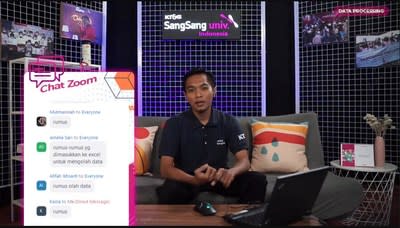
Sangsang Univ Indonesia’s on-line class staying held

According to KT&G, KT&G Sangsang Univ and Korean Language School in Surabaya have been working whole-fledged on line instruction courses for Indonesian youths due to the fact February.

Sangsang Univ Indonesia prepares youth job exploration & abilities development systems

Sangsang Univ Indonesia has been conducting standard on the web courses for 4 months from February 14th. A total of 12 courses are being held, and about 2,000 young folks are using courses of their very own pursuits. Big applications include newbie/intermediate Korean, crafting, movie modifying, and electronic advertising and marketing.

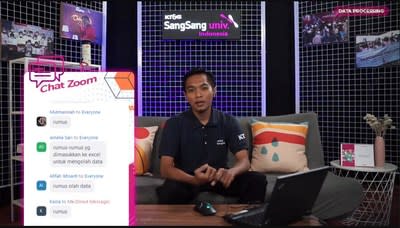
Online lecture for Beginner Korean class by KT&amp;G Sangsang Univ&#39;s Korean Language School

On the internet lecture for Starter Korean course by KT&G Sangsang Univ’s Korean Language University

In unique, Sangsang Univ operates a specific proportion of the complete course as a instruction system to help youth work. Courses this kind of as interviews, resume producing, and profession growth are also integrated in the lectures opened this February, assisting Indonesian youths to increase their job techniques.

The on the internet lessons prepared by Sangsang Univ in reaction to COVID-19 has presently been perfectly acquired by local youth. Very last year, 12 online lessons had been held, and 34,000 school pupils participated in this procedure.

In distinct, the on the web class natural environment evoked a favourable ripple outcome to split absolutely free from the restrictions of community bases. For case in point, in the on the internet classes held previous year, the proportion of college students outside the house of Jakarta, wherever Sangsang Univ is found, reached a whole of 80{e4f787673fbda589a16c4acddca5ba6fa1cbf0bc0eb53f36e5f8309f6ee846cf}.

Youthful talents from many areas these types of as Surabaya, Bandung, and Medan were being supplied possibilities for self-growth by means of various classes of Sangsang Univ centered on the contactless educational ecosystem.

Dede Rahma (Siliwangi National College, 22 many years previous), who participated in the Sangsang Univ on the net course past year, claimed, “I received new expertise and information by using the knowledge administration and digital promoting courses with a comfy listening environment and many class assignments.” “I want to endorse it to my close friends who have never expert it for the reason that of the superb instructors and higher-high-quality on the net classes available,” he included.

Korean Language University opens the common initially semester…Supporting Language ability Enhancement

KT&G Sangsang Univ’s Korean Language University, found in Surabaya, With Yamandala Heart, also started off the common initially semester of Korean language instruction from February 7th.

1 hundred sixteen pupils registered in ten courses, confirming the interest of Indonesian youth in Korean. The on the net course is divided into a starter and intermediate Korean course and a conversation course and will carry on for ten weeks.

Previous 12 months, the Korean Language Faculty offered Korean language instruction for Indonesian youth centered on a serious-time on-line lecture environment optimized for a non-experience-to-confront atmosphere. Through this, 34 classes were operated last yr via the frequent three semesters and exclusive semester, and 376 college students realized Korean.

In addition, in October of past yr, the Korean Language University held a Korean society competition consisting of programs these as Korean society expertise, drawing contest, and engage in on the celebration of Hangeul Day, the anniversary of the creation of the Korean alphabet. On this occasion, 289 younger people today skilled Korean lifestyle as a result of on the net channels.

Jaeyoung Cho, Main of World wide Headquarter of KT&G, said, “Primarily based on numerous on line classes these types of as occupation competencies advancement and language schooling, we are offering schooling applications required for Indonesian youth in the confront of COVID-19.” “We will go on to talk with local communities during Indonesia and attempt to supply high-quality education and learning services,” he remarked.

Meanwhile, KT&G is the world’s fifth-major tobacco enterprise in phrases of market share and product sales volume. In Korea, the corporation has a current market share of 64.6{e4f787673fbda589a16c4acddca5ba6fa1cbf0bc0eb53f36e5f8309f6ee846cf} (as of 2021), keeping the No. 1 position in the Korean tobacco sector. In addition, inspite of the world wide COVID-19 pandemic, it has developed into a globally tobacco company by increasing its export territory to far more than 120 countries.

KT&G exceeded 5 trillion received in yearly product sales on a consolidated basis for two consecutive a long time from 2020 to past calendar year. The enterprise is also a group company with important enterprise portfolios this sort of as health functional foods, true estate, biopharmaceuticals and cosmetics, and tobacco.

In February 2013, KT&G established PT KT&G Indonesia, a corporation responsible for immediate distribution and logistics in Indonesia. Considering that 2016, it has been taking the lead in making nearby careers by utilizing about 900 new positions every single yr and a cumulative total of 4,800 people today in Indonesia.

(PRNewsfoto/KT&amp;G Corporation)

(PRNewsfoto/KT&G Company)

Resource KT&G Corporation

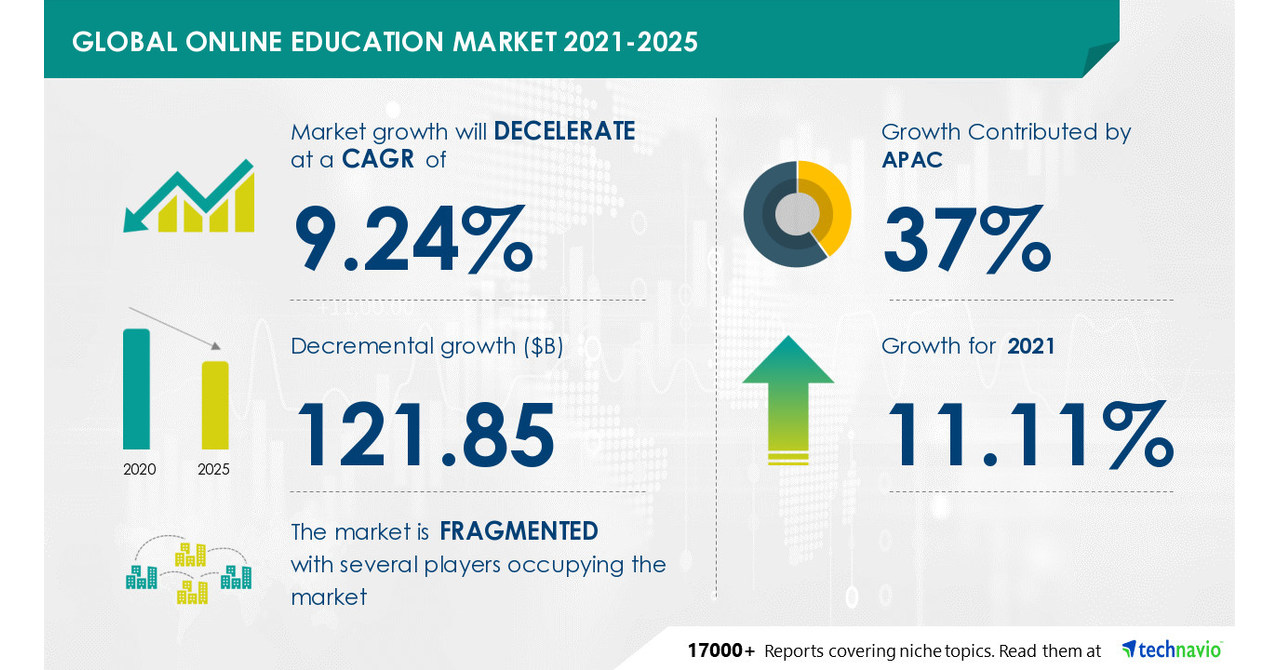
Online Education Market to Record 11.11{e4f787673fbda589a16c4acddca5ba6fa1cbf0bc0eb53f36e5f8309f6ee846cf} Y-O-Y Growth Rate in 2021|Growing Advantages of Online Learning to Boost Market |17000+ Technavio Reports

Online Education Market to Record 11.11{e4f787673fbda589a16c4acddca5ba6fa1cbf0bc0eb53f36e5f8309f6ee846cf} Y-O-Y Growth Rate in 2021|Growing Advantages of Online Learning to Boost Market |17000+ Technavio Reports

Online Education Market: Growing advantages of online learning to drive growth

The key factor driving growth in the online education market is the growing advantages of online learning. Owing to the high cost and limited accessibility associated with traditional printed textbooks, educational institutions are increasingly focusing on online education. Vendors also provide audio-visual content and simulation learning platforms, which can be customized as per the school’s curriculum. The availability of various support solutions, such as learning management solution (LMS) and enterprise resource planning (ERP), as well as augmented reality (AR), virtual reality (VR), blended learning solutions, and student assessment software, has further played a major role in enhancing the demand for online education by various schools and universities. 

Online Education Market: Growing popularity of education apps to act as a major trend

The growing popularity of education apps is one of the key trends supporting the online education market share growth. Educational apps are witnessing significant traction in diverse learning experiences, such as teaching children with disabilities. With education apps, these children can access a range of content, using the built-in features of devices. There are also many apps in areas such as text-to-speech reading, dyslexia, ADHD, and autism. Institutions in the higher education segment use apps for activities such as assessments, the distribution of educational content, and the sharing of schedules. Furthermore, technological developments such as AR and VR have resulted in the evolution of numerous learning apps, especially for students pursuing education in subjects such as medical science and engineering, which require extensive practical learning. 

To know about more drivers, trends, and challenges –Request Free Sample Research Report

Online Education Market: Segmentation Analysis

This market research report segments the online education market by Product (Primary and secondary supplemental education (PSSE), Reskilling and online certifications (ROC), Higher education, Test preparation, and Language and casual learning (LCL)), Type (Primary and secondary supplemental education (PSSE), Reskilling and online certifications (ROC), Higher education, Test preparation, and Language and casual learning (LCL)), and Geography (North America, APAC, Europe, South America, and MEA).

Technavio report provides an accurate prediction of the contribution of all the segments to the growth of the online education market size and actionable market insights on each segment.

To know about the market contribution of all segments – Download a Free sample report

Related Reports:
Online Tutoring Services Market in India  –The online tutoring services market share in India is expected to increase by USD 14.76 billion from 2020 to 2025, and the market’s growth momentum will accelerate at a CAGR of 15.96{e4f787673fbda589a16c4acddca5ba6fa1cbf0bc0eb53f36e5f8309f6ee846cf}. Download a free sample now!

Education Consulting Market  –The education consulting market share is expected to increase by USD 579.19 million from 2020 to 2025, and the market’s growth momentum will accelerate at a CAGR of 5.01{e4f787673fbda589a16c4acddca5ba6fa1cbf0bc0eb53f36e5f8309f6ee846cf}. Download a free sample now!

Online Education Market Scope

Report Coverage

Details

Page number

120

Base year

2020

Forecast period

2021-2025

Growth momentum & CAGR

Decelerate at a CAGR of 9.24{e4f787673fbda589a16c4acddca5ba6fa1cbf0bc0eb53f36e5f8309f6ee846cf}

Market growth 2021-2025

USD 121.85 billion

Market structure

Fragmented

YoY growth ({e4f787673fbda589a16c4acddca5ba6fa1cbf0bc0eb53f36e5f8309f6ee846cf})

11.11

Regional analysis

North America, APAC, Europe, South America, and MEA

Performing market contribution

APAC at 37{e4f787673fbda589a16c4acddca5ba6fa1cbf0bc0eb53f36e5f8309f6ee846cf}

Key consumer countries

US, China, Germany, UK, and France

Competitive landscape

Leading companies, competitive strategies, consumer engagement scope

Companies profiled

2U Inc., Ambow Education Holding Ltd., Coursera Inc., edX Inc., iTutorGroup, LinkedIn Corp., McGraw-Hill Education Inc., Pearson Plc, Udacity Inc., and Udemy Inc.

Market Dynamics

Parent market analysis, Market growth inducers and obstacles, Fast-growing and slow-growing segment analysis, COVID-19 impact and future consumer dynamics, market condition analysis for the forecast period,

Customization purview

If our report has not included the data that you are looking for, you can reach out to our analysts and get segments customized.

Table of Content

Executive Summary

Market Landscape

  • Market ecosystem
  • Value chain analysis

Market Sizing

  • Market definition
  • Market segment analysis
  • Market size 2020
  • Market outlook: Forecast for 2020 – 2025

Five Forces Analysis

  • Bargaining power of buyers
  • Bargaining power of suppliers
  • Threat of new entrants
  • Threat of substitutes
  • Threat of rivalry
  • Market condition

Market Segmentation by Type

  • Market segments
  • Comparison by Type
  • Primary and secondary supplemental education (PSSE) – Market size and forecast 2020-2025
  • Reskilling and online certifications (ROC) – Market size and forecast 2020-2025
  • Higher education – Market size and forecast 2020-2025
  • Test preparation – Market size and forecast 2020-2025
  • Language and casual learning (LCL) – Market size and forecast 2020-2025
  • Market opportunity by Type

Customer landscape

Geographic Landscape

  • Geographic segmentation
  • Geographic comparison
  • North America – Market size and forecast 2020-2025
  • APAC – Market size and forecast 2020-2025
  • Europe – Market size and forecast 2020-2025
  • South America – Market size and forecast 2020-2025
  • MEA – Market size and forecast 2020-2025
  • Key leading countries
  • Market opportunity by geography
  • Market drivers
  • Market challenges
  • Market trends

Vendor Landscape

Vendor Analysis

  • Vendors covered
  • Market positioning of vendors
  • 2U Inc.
  • Ambow Education Holding Ltd.
  • Coursera Inc.
  • edX Inc.
  • iTutorGroup
  • LinkedIn Corp.
  • McGraw-Hill Education Inc.
  • Pearson Plc
  • Udacity Inc.
  • Udemy Inc.

Appendix

  • Scope of the report
  • Currency conversion rates for US$
  • Research methodology
  • List of abbreviations

About Technavio
Technavio is a leading global technology research and advisory company. Their research and analysis focuses on emerging market trends and provides actionable insights to help businesses identify market opportunities and develop effective strategies to optimize their market positions.

With over 500 specialized analysts, Technavio’s report library consists of more than 17,000 reports and counting, covering 800 technologies, spanning across 50 countries. Their client base consists of enterprises of all sizes, including more than 100 Fortune 500 companies. This growing client base relies on Technavio’s comprehensive coverage, extensive research, and actionable market insights to identify opportunities in existing and potential markets and assess their competitive positions within changing market scenarios.

Contacts
Technavio Research
Jesse Maida
Media & Marketing Executive
US: +1 844 364 1100
UK: +44 203 893 3200
Email: [email protected]
Website: www.technavio.com/

SOURCE Technavio

U of A Online Pioneer Elaine Terrell Retires After Two Decades of Building

U of A Online Pioneer Elaine Terrell Retires After Two Decades of Building
&#13
In October 2007, Donnie Dutton, dean of the School of Continuing Education and Academic Outreach (now Global Campus), received the Arkansas Distance Learning Association's lifetime achievement award at the annual conference in Hot Springs. With him are, from left, instructional designers at the time Miran Kang, Rebecca Leighton, Liz Stover and Elaine Terrell and Cheryl Murphy, formerly program coordinator of educational technology and now U of A vice provost for distance education.&#13
&#13

Submitted

In Oct 2007, Donnie Dutton, dean of the University of Continuing Education and Educational Outreach (now World wide Campus), gained the Arkansas Distance Understanding Association’s life span achievement award at the once-a-year meeting in Incredibly hot Springs. With him are, from remaining, educational designers at the time Miran Kang, Rebecca Leighton, Liz Stover and Elaine Terrell and Cheryl Murphy, previously software coordinator of academic technologies and now U of A vice provost for length education and learning.

Some could say Jan. 21, 2022 — Elaine Terrell’s last operating day at International Campus — was the close of the starting. Now, it is up to a group of other tutorial designers to take up her mantle to proceed growing and boosting on line education at the U of A.

Terrell was the first tutorial designer at the U of A to guide college in the enhancement of on-line programs and, later, on the internet degree packages. Above the past 23 many years, Terrell and other Worldwide Campus employees have dedicated their professions to aiding the university grow its on line offerings and develop into nationally aggressive in on the net training.

The U of A supplied no courses above the world-wide-web in 1999, when Terrell was hired by Dean Donnie Dutton of the Global Campus, then known as the University of Continuing Instruction and Academic Outreach. Today, students can choose from 75 on the net degree, certification and licensure courses presented by educational schools via the World-wide Campus.

As the U of A grew its on-line choices, much more pupils came. In the 2020-21 tutorial 12 months, about 12 {e4f787673fbda589a16c4acddca5ba6fa1cbf0bc0eb53f36e5f8309f6ee846cf} of all U of A students, or about 3,700 college students, researched solely on the web. In that exact educational yr, 1,218 U of A learners gained a diploma right after learning in on the net plans.

“I consider know-how in and of itself would not do just about anything,” Terrell stated. “It can be not the suitable alternative for anything, but it represents a powerful toolbox made use of to attain people.”

For some students, on-line research is the only option. The flexibility of online training expands entry to the U of A for people today who are certain by site or time constraints, either skillfully or individually.

Educational designers use their skills to assistance faculty construct substantial-top quality courses. They support college find the appropriate technologies resources and educating techniques to develop the discovering outcomes and meet up with the class aims established by the college. They help college make an interactive on the web surroundings established to greatly enhance and measure understanding.

World Campus — positioned on the northeast corner of the downtown Fayetteville square — was homebase for Terrell and her earliest co-employee Bobby Craig, who retired in 2015. Terrell focused on course style although Craig furnished specialized and pupil guidance.

“At one particular time, you ended up having your daily life in your palms if you asked Bobby any concerns all through the 7 days in advance of classes and the two months soon after the semester started off,” Terrell stated jokingly.

With each other, they launched the first on the net training course, which was essentially a hybrid, meaning partly online and partly facial area-to-confront, Terrell stated. Mainly because the training course on the background of vocational education and learning was to begin with scheduled for compressed interactive online video shipping and delivery, Dutton insisted that all of the enrolled learners concur in producing just before it could be moved to a internet-centered class.

“We experienced about 20 learners, and they were being pleased to try out this new method rather than fulfill face-to-experience,” Terrell said. “In the fall of 2001, we rolled out a health and fitness science software as perfectly as many adult and vocational education and learning courses, and we just crafted from there.”

Terrell, a native of Hackett in Sebastian County, gained her master’s degree in instructional engineering beneath Cheryl Murphy, who still left her school purpose to turn out to be the U of A’s vice provost for distance instruction and head of Global Campus in 2019.

In 1999, Terrell was lured absent from a company in Texas to function in greater education. She explained to Murphy she was occupation searching, and Murphy handed the phrase to Dutton, who before long gave Terrell a connect with. Dutton confident Craig to go away the Higher education of Training and Overall health Professions, where he was doing work with compressed interactive online video.

Terrell and Craig had been the 1st two members of what has turn out to be the Global Campus Educational Style and Learning Technologies guidance teams, which hire about two dozen employees customers and assistance both of those on-campus and on the net instruction.

College Acquire-in

In the commencing, couple of school expressed an fascination in instructing on the net. Terrell not only taught college to harness educational technological know-how, but she encouraged and impressed college to consider their classes and systems out of the standard lecture rooms and put them on the net.

“At the time, some folks have been quite cynical,” Terrell explained.

Worldwide Campus created muscle mass in two potent arms. There is the online division that provides programs for degrees and certifications and the Qualified and Workforce Growth division that supplies instruction to men and women to advance their occupations or start new types.

The university adopted the Blackboard on-line finding out system in 2000, which worked perfectly with other devices made use of on campus, Terrell said, but convincing school to teach on the internet was hard. Some school associates in the College of Instruction and Health and fitness Professions had been the only ones ready to try out the new technologies and solutions.

College these types of as Bobbie Biggs in the vocational instruction software, later on called workforce growth training, have been open “to no matter what we made available,” Terrell mentioned. “They tried out their greatest to use it as considerably as probable even if they failed to recognize it entirely.”

 A number of who expressed desire elsewhere on campus experienced an unrealistic expectation of the time and get the job done that would be concerned, she stated.

“We supported compressed interactive video clip courses as a great deal as we could to get college to see what we meant, to show them how you can use Blackboard to make assignments less difficult,” Terrell said. “We utilised the ‘Mikey’ analogy. ‘I’m not gonna try it, you try it. Let us get Mikey!’ All people else appeared in excess of Mikey’s shoulder, and we were off to the races. We just sat back and waited for persons to detect, and sooner or later they did.”

The idea of generating more bigger training selections available to more people today motivated Terrell, she said. When asked, Terrell often stated her philosophy about engineering and training this way:

“I go again to my childhood. There have been 28 people in my course in large college, and it was massively irritating. I experienced much more choices in house ec than in other courses. When I saw the web for the initial time, it encouraged me to enroll in the academic technological innovation software at the U of A. It went to individuals who lived in locations like the place I grew up. They could get a large amount a lot more selections. That is what held me likely all this time.”

The change involving understanding on the web and finding out in particular person is dependent on the learner, Terrell stated. Her job as an instructional designer is to comprehend, as greatest she can, the pool of learners she’s addressing and their wants, she mentioned. She also taught classes in the educational engineering plan above the yrs.

“I took edge of the option, and it has supplied me remarkable insight,” she claimed. “Anybody in higher training tutorial style and design must teach at the very least one semester. It will help you to see the problems that instructors encounter.”

Supporting Online

In the early times, International Campus hired graduate assistants from the academic technologies application to assist, and several of them came to function for World-wide Campus right after earning their highly developed levels. The collaboration with college in the University of Education and learning and Wellness Professions grew and, around the years, faculty in other colleges commenced doing work with World Campus to transfer their classes on the internet.

Terrell still left the Worldwide Campus for a few yrs, working at the U of A’s centralized Info Technological know-how Solutions from 2009 to 2012. Her position there was to assist the Fulbright College of Arts and Sciences as it extra on the net sections to its core programs. A couple of yrs later, that project created it probable for the advancement of on the internet bachelor’s degree programs that expected main courses from Fulbright School. Only a single on line bachelor’s diploma-completion method was provided in advance of 2014, when the general business enterprise bachelor’s diploma introduced.

Far more college joined the on the net mastering fold just after 2012, when Javier Reyes from the Sam M. Walton University of Company commenced serving as vice provost for distance education and learning at World wide Campus, Terrell stated.

Some faculty did not will need a lot support with program design and style, but designers always pressured the require for faculty customers to build structure into a class, to be systematic, but most of all to be present, she mentioned.

“As opposed to conversing again and forth in a classroom and earning changes in man or woman, college instructing on the internet will need to look at in usually with learners to be guaranteed they are comprehending principles,” she reported. “Ongoing interaction is essential, and it took us awhile to recognize some great approaches to converse that to college.”

Ironically, the team in the World Campus ended up despatched home a number of days ahead of the campus shut simply because of COVID-19 in March 2020. A h2o pipe burst and flooded the building, rendering it unfit for occupation for months. The damage essential intensive remodeling, sending staff dwelling to do the job remotely. The relaxation of campus before long joined them.

The entire campus pivoted to distant instruction in mid-March, and Global Campus team worked 60 to 70 hrs a 7 days and set up a hotline to support school associates new to training online. In a way, COVID assisted move the needle for some faculty to see the benefit of training on the internet and the value of engaging college students in an on the internet format, Terrell mentioned.

“COVID bought what we were being attempting to provide by beating people today in excess of the head with it,” she said. “There was no choice now. It only increased the desire for what we do.”

Terrell relished functioning from dwelling and when she recognized she was in a placement to retire, she produced the choice with strategies to do free-lance do the job with shorter-phrase commitments.

“I was on the lookout for additional overall flexibility, one thing new to do following 22 several years and four months.”

Indicating Fantastic-bye

A farewell reception was held on the web, potentially correctly, on her final day. Far more than 50 men and women shared not just their screens but their reminiscences, appreciation and adore for Terrell.

“I under no circumstances in my lifestyle had so considerably enjoyable functioning with somebody,” Craig stated. “What we have seasoned and achieved, it has been a joy. Elaine was generally so beneficial. There was practically nothing you can question her that she does not know one thing about it. If she failed to, it was incredibly, quite uncommon, and she would unquestionably come across out some thing about it.”

Barbara Gartin, who retired from the faculty of the particular instruction application, reported perform by Terrell and the other tutorial designers designed a variance in Arkansas due to the fact a lot more teachers could grow to be qualified in particular schooling by means of online courses, ultimately serving far more young children with special requires in the point out.

Scott Wright, an tutorial designer at World wide Campus, stated it is difficult to evaluate Terrell’s contributions to her colleagues, World-wide Campus and the university.

“I uncovered so considerably observing you, seeing how to interact with others,” Wright mentioned. “What caught out to me was how you treat each man or woman with utmost respect even when you you should not concur with their idea. So a lot of what we do is centered on associations and the rely on we build.”