The case for combining synchronous and asynchronous online learning

There has been much debate in recent years on whether educators, trainers or L&D managers should focus on delivering synchronous or asynchronous online learning experiences.


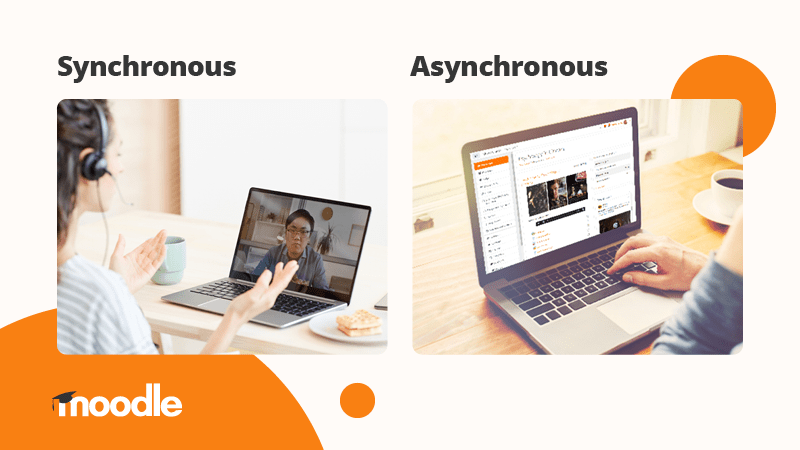
What is the difference between synchronous and asynchronous learning?

In the context of online education, synchronous learning experiences are those delivered live with an educator or trainer facilitating a learning session. There are a variety of tools that can be used in synchronous learning such as live meetings or virtual classrooms where educators and learners meet virtually in real-time (by means of a device over a network) and communicate and collaborate through video, chat, whiteboard and other synchronous tools. In contrast, while also requiring a device, asynchronous learning is a student-centred method usually delivered via a learning management system (LMS) that allows learning to occur in different times and spaces particular to each learner. In asynchronous learning, educators set up a learning program or course that students engage with at their own pace.


Social constructionism – learning as a social context

As many readers will be aware, Moodle is based on social constructionism, which is the understanding that people develop knowledge in a social context. Moodle advocates for, and supports, the importance of creating a collaborative community of learners where learners learn “by doing” and by observing their peers. A community where educators and trainers understand the context of learners so that they can customise the language and expression of concepts in ways that are best suited to the audience. And, where teachers or trainers recognise themselves as learners and are willing to collaborate, listen and share ideas in order to improve their own understanding and ultimately inform improvements to the learning program.


So, synchronous is better, right? Wrong.

This grounding in social constructionism could lead readers of this blog to think that Moodle would advocate for synchronous over asynchronous delivery. But to presume so would be wrong because asynchronous delivery also supports the theory of social constructionism. In order to create truly engaging learning experiences, it is equally important that asynchronous activities provide opportunities for learners to learn by doing and through relationships with each other and their teachers.

This does not mean that asynchronous instruction should replace the opportunity for educators, trainers and their learners to meet in real-time through virtual classrooms with live video and messaging functionality. Indeed, this modality of online synchronous delivery mirrors good traditional classroom instruction where a teacher or instructor supports students to become actively involved in their learning through interaction with each other and their teacher as they complete tasks or activities. 


Together is better

The issue is not whether asynchronous or synchronous delivery is better, but how both can be used to support the theory of social constructionism, accommodate different learning preferences and ultimately the engagement of learners through interaction with each other and their teacher.

Some face to face interaction is an essential component of good quality online instruction. That is why BigBlueButton, the open source web conferencing solution providing real-time sharing of audio, video, slides, whiteboard, chat and screen, will be incorporated into Moodle 4.0 as a standard feature. Currently available as a Moodle plugin, BigBlueButton, allows educators trainers to use breakout rooms, polls, multi-user whiteboard, and shared notes to engage learners in real-time. However, it is worth recognising that streaming video and connecting to online meetings use a lot of data and require fast internet connections, which not all learners may have at the same time. Even where connectivity is not an issue, technical issues can affect the quality of live interaction. These issues can be mitigated by using a combination of synchronous and asynchronous delivery methods.

More importantly, learners differ in the way that they perceive and comprehend information that is presented to them. For instance, some learners will understand content more quickly through visual or auditory means rather than printed text. Other learners with sensory disabilities or learning difficulties will have specific needs. To accommodate all learners’ preferences, it is important that educators create asynchronous Activities and Resources in a variety of modalities that learners can interact and engage with.

Online collaboration and group work can also be done well asynchronously. As an example, educators and trainers can use Moodle’s many standard features to encourage learner interaction and experimentation. For instance, they can invite personal response through Moodle Forum, create learner Groups, set Assignments, encourage collaboration through peer assessment with Workshops and allow students to create collaborative project plans and documents through Wiki. Asynchronous courses also accommodate more introverted students who may struggle to interact with other learners and their teacher or instructor in a live setting.

Both synchronous and asynchronous delivery has benefits for educators, trainers and learners:


Moodle was designed for ultimate flexibility, a toolbox that accommodates both synchronous and asynchronous delivery to empower educators and trainers to build their own education platform that is appropriate to their learners.

Find out more about our online learning platforms Moodle LMS or Moodle Workplace. Or, contact a Moodle Certified Service Provider who can help you with learning design, custom development, hosting, onboarding, installation and integrations.


References:

https://elearningindustry.com/blending-asynchronous-and-synchronous-digital-learning-modalities-part-5
https://www.brynmawr.edu/blendedlearning/asynchronous-vs-synchronous-learning-quick-overview
https://elearningindustry.com/right-learning-modalities-asynchronous-and-synchronous-interactions
https://elearningindustry.com/asynchronous-and-synchronous-modalities-deliver-digital-learning
https://educationrickshaw.com/2020/03/30/the-unproductive-debate-of-synchronous-vs-asynchronous-learning/

Code Ninjas to Debut in Hacienda Heights, Will Teach Kids to Code in a Cool New Way

Code Ninjas Center to Focus on Interactive Learning through Game-Building, Robotics and More

HACIENDA HEIGHTS, Calif., Dec. 7, 2021 /PRNewswire/ — Code Ninjas, one of the fastest-growing kids coding franchises, is set to open their newest location at 17142 Colima Rd. Unit D on Dec. 8. Code Ninjas will serve the local area by offering computer coding courses for kids. The courses will allow kids to problem-solve while they build video games and collaborate with other children their age. This new learning center will establish an environment where kids and teens can learn about technology while having fun.

Code Ninjas Logo (PRNewsfoto/Code Ninjas)

Code Ninjas Logo (PRNewsfoto/Code Ninjas)

The Hacienda Heights location is owned and operated by local entrepreneurs David and Irene Yu. David has 25 years of experience in IT networking while Irene spent 15 years in the pharmaceutical industry before becoming a stay-at-home mom. David and Irene tried several methods when it came to teaching their kids how to code, including online programs and coding tutors. It wasn’t until Code Ninjas that they found the right fit; fun, engaging courses teaching essential skills. It was due to their positive personal experience that the Yus decided to bring Code Ninjas to Hacienda Heights.

“Coding is an invaluable language for kids to learn and Code Ninjas allows for kids to hone their abilities in an interactive and social environment,” says David Yu. “Technology has made its way into almost every job and we want to give kids the skills they need to succeed. The best part about the Code Ninjas curriculum is that kids have so much fun while they learn new subjects.”

Hacienda Heights children (ages 5-14) can look forward to the new Code Ninjas center where they can learn how to code in a fun, safe, and social environment. At Code Ninjas, gaming is celebrated, and STEM is cool. Everything about their centers – or Dojos – are built around fun, which keeps kids coming back. The center also provides the results that parents are looking for, as their children gain coding and problem-solving skills they’ll need in the evolving job market.

“At Code Ninjas, kids are developing social skills in addition to learning how to problem solve,” says Irene Yu. “Code Ninjas combines screen time and social interaction in a way that is productive and beneficial for kids. Making education engaging and enjoyable for them is what will truly help them succeed in school and in their future career.”

Code Ninjas offers a robust, game-based curriculum made up of nine belts, just like martial arts. The courses are self-paced, but not self-taught; kids get immediate help and encouragement from Code Senseis (teachers) and fellow students as they advance from white to black belt. The program keeps kids motivated with little wins along the way, and “Belt-Up” celebrations where they receive color-coded wristbands to mark their graduation to the next level. By the time a child finishes the program, they will publish their own app, available to the public in an app store.

Code Ninjas also offers a variety of opportunities for children to get involved, including a flexible weeknight drop-in program, camps and Parents Night Out events on weekends.

For more information about the Hacienda Heights Code Ninjas location, please visit www.codeninjas.com/ca-hacienda-heights or call 626-910-2020.

About Code Ninjas
Founded in 2016, Code Ninjas® is the world’s largest and fastest-growing kids coding franchise. In hundreds of Code Ninjas centers, kids ages 7-14 have fun building video games while gaining life-changing skills in coding, robotics, and problem solving. Kids have fun, parents see results®. For more information, visit www.codeninjas.com.

Media Contact: Allie Bertrand, Fishman PR, [email protected] or 847-945-1300

Cision

Cision

View original content to download multimedia:https://www.prnewswire.com/news-releases/stem-learning-with-video-games-code-ninjas-to-debut-in-hacienda-heights-will-teach-kids-to-code-in-a-cool-new-way-301439337.html

SOURCE Code Ninjas

Physical fitness is a powerful predictor of health outcomes — ScienceDaily

In the largest study performed to date to understand the relationship between habitual physical activity and physical fitness, researchers from Boston University School of Medicine (BUSM) have found that higher amount of time spent performing exercise (moderate-vigorous physical activity) and low-moderate level activity (steps) and less time spent sedentary, translated to greater physical fitness.

“By establishing the relationship between different forms of habitual physical activity and detailed fitness measures, we hope that our study will provide important information that can ultimately be used to improve physical fitness and overall health across the life course,” explained corresponding author Matthew Nayor, MD, MPH, assistant professor of medicine at BUSM.

He and his team studied approximately 2,000 participants from the community-based Framingham Heart Study who underwent comprehensive cardiopulmonary exercise tests (CPET) for the “gold standard” measurement of physical fitness. Physical fitness measurements were associated with physical activity data obtained through accelerometers (device that measures frequency and intensity of human movement) that were worn for one week around the time of CPET and approximately eight years earlier.

They found dedicated exercise (moderate-vigorous physical activity) was the most efficient at improving fitness. Specifically, exercise was three times more efficient than walking alone and more than 14 times more efficient than reducing the time spent sedentary. Additionally, they found that the greater time spent exercising and higher steps/day could partially offset the negative effects of being sedentary in terms of physical fitness.

According to the researchers, while the study was focused on the relationship of physical activity and fitness specifically (rather than any health-related outcomes), fitness has a powerful influence on health and is associated with lower risk of cardiovascular disease, diabetes, cancer and premature death. “Therefore, improved understanding of methods to improve fitness would be expected to have broad implications for improved health,” said Nayor, a cardiologist at Boston Medical Center.

These findings appear online in the European Heart Journal.

Story Source:

Materials provided by Boston University School of Medicine. Note: Content may be edited for style and length.

DOJ, Dunlap school district reach agreement to provide fully accessible elementary school playground

DUNLAP (Heart of Illinois ABC) – The Department of Justice has reached a settlement pursuant to the Americans with Disabilities Act with Dunlap #323 ensuring that the playground at Banner Elementary School is accessible to all children, including children with disabilities.

A DOJ release says the settlement agreement resolves an ADA complaint filed by parents of a child with a disability at Banner Elementary.

The complaint alleges that a child with a disability was routinely unable to access the school’s existing playground to play with peers and had to play alone, outside of the play area and separate from peers without disabilities.

The DOJ says this complaint prompted an investigation by the U.S. Attorney’s Office and the Civil Rights Division of the DOJ.

Title II of the ADA prohibits places of public accommodation, including school districts, from discriminating against individuals with disabilities and requires them to remove architectural barriers to access. The ADA requires a school’s outdoor playgrounds to be readily accessible to and usable by individuals with disabilities.

Under the settlement agreement, the school district has agreed to create a new outdoor playground by integrating new, accessible equipment into the existing area, effectively creating a single outdoor playground with accessible equipment and surfaces. As part of the agreement, the district will also remove all existing barriers to access, including railroad ties and other barriers, as well as remove and replace all existing pea gravel and mulch with ADA-compliant surfaces.

Without admitting violating the ADA, the district also agreed to a monetary payment to the parents fully resolving the matter.

“Children and other individuals with disabilities are entitled to full access to our community, including a school’s playground,” said Douglas J. Quivey, Acting United States Attorney for the Central District of Illinois. “This settlement demonstrates the Dunlap Community School District’s commitment to providing equal access to all students it serves. We appreciate both the parents and the School District’s cooperation in resolving this matter and their dedication to ensuring all students enjoy full access. I encourage all school districts in Central Illinois to review their facilities to make sure they are accessible and fully usable by all.”

Copyright 2021 Heart of Illinois ABC. All rights reserved.

What will the workforce of the future look like?

What is the future workplace going to look like?

Over the years, the workplace has changed in many ways. For example, we now see people choosing instant communication and cloud collaboration tools over email. There is far more awareness about diversity and inclusivity. A job is no longer just about the salary; career progress and continued learning are considerations. However, the most significant shift post pandemic is the move to purpose driven businesses, unleashing purpose to transform productivity and profitability.

The future workplace will be digital – whether it’s retail, agriculture or financial services. There will be faster adoption of automation and AI, meaning that workers will do well to pick up skills needed to harness these. This is backed by the World Economic Forum’s Future of Jobs Report 2020 which states that due to the adoption of technology, in-demand skills will change, and the skills gaps will be high.

We will also see the rise of several different kinds of occupations, including jobs as diverse as autonomous transport specialist, augmented reality journey builder, human-machine teaming manager and more.

What sort of skills must young professionals possess to be successful in the workplace of the future?

There is an interesting mix of skills that young professionals will need to possess to be successful in the workplace of the future. The most obvious are the tech skills needed to keep up with digital transformation.

There will be a continuous drive towards highly skilled occupations. Many of the new positions in the modern workforce favour those with science, technology, engineering, and math (STEM) skills. Jobs in science, research, engineering and technology fields have been predicted to grow twice as fast as other careers (6 per cent versus 3 per cent), driven by the factors we heard earlier – the pace of infrastructure investment and digital innovation.

Next are soft skills such as critical thinking and problem-solving that have always been much sought after and will continue to be so. However, some other skills such as resilience, stress tolerance, good communication skills and flexibility will grow in importance in the future and will play a large role in determining worker success.

Finally, we will see an increase in awareness around reskilling and lifelong learning, with professionals seeking training and opportunities internally, through online learning platforms and via external consultants or workshops.

This is important as recent research by the World Economic Forum that suggests that every five years, our skills are about half as valuable as they were before. The study further goes on to say that it is crucial for professionals to assess existing skills and build new ones to get ahead of that decline in value.

How can educational institutes ensure that their students are prepared for jobs which may not even exist today?

Educational establishments, through their research and innovation activities, are at the forefront of disruptive technologies and ideally placed to anticipate the skills of the future.

They are adapting content to be flexible and aligned to the needs of non-traditional students as well as conventional graduates. Many are focusing on the creation of opportunities for lifelong learning.

Education should no longer be seen as something that stops when a person graduates from college; rather it is a lifelong process where people are constantly being educated and retooled to stay relevant in their jobs, so they are prepared for whatever the job market looks like.

Finally, educational institutions are partnering with industry to co-create offers that consider trends in the job market, skills that employers are looking for, with a focus on work-based learning such as apprenticeships and internships. For example, we launched the Engineering Doctorate (EngD) in Construction as an alternative to the traditional PhD in response to professionals wanting to continue learning through industry-led research and involving their employer as an industrial sponsor.

Also, what kind of a role do research and innovation play in shaping the world of work?

Research and innovation play a huge role influencing industry and framing the jobs of tomorrow. They also contribute to and drive forward solutions to global challenges. One example of Heriot-Watt research doing this is the Industrial Decarbonisation Research and Innovation Centre (IDRIC), which aims to help companies transition away from traditional carbon fuels into low carbon infrastructures. Another is the Centre of Excellence in Smart Construction (CESC) which brings together researchers, industry and the government to revolutionise the way we develop, manage and operate smarter cities. Research and innovation are important drivers of economic growth as they spur innovation, invention and progress. They create the industries, sectors and jobs of the future.

From a Heriot-Watt perspective, what are the steps you are taking to ensure you support this transition to the future?

At Heriot-Watt, there are several steps we are taking to prepare our students for the workplace and the jobs of the future.

We will continue to introduce programmes in line with the changing demands of the marketplace. We will also continue to look for ways to make education more flexible to suit the changing profile of the average university student. For example, the university student of today may not necessarily be an 18-year-old, but a working adult who attends college part time, or may even be juggling childcare.

We are looking at new work-based learning, including apprenticeships and engineering doctorates.

Finally, our work in the research area includes significant international industry collaborations that can shape the future, transform lives and overcome industry challenges. We are already seeing evidence of the impact this can have and will work to drive this ahead.

Our Future Skills Conference at Expo 2020 at the UK Pavilion on December 8 will also bring the industry together to explore how the university’s research is shaping education, catalysing industries and framing jobs of tomorrow in response to the changing workplace – through sustainability, mobility and opportunity.

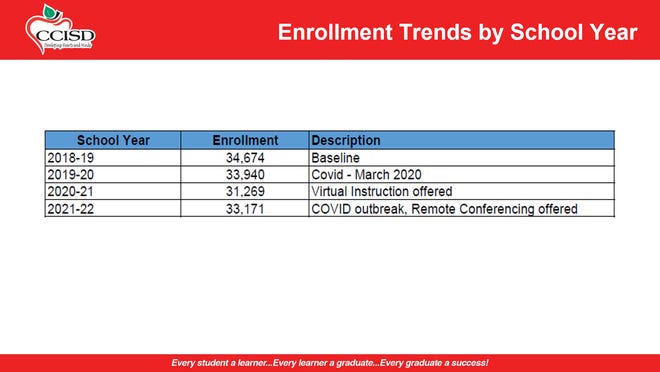
Nosedive in public school enrollment reflects homeschool boom

Student enrollment in public schools has nosedived as parent disgust with school COVID-19 policies, student learning losses, and controversial education policies have gone through the roof. In the wake of this enrollment implosion, homeschooling has boomed across the country.

At the beginning of the current school year, the U.S. Department of Education estimated that 1.5 million students had left public schools since the COVID-19 pandemic began.  

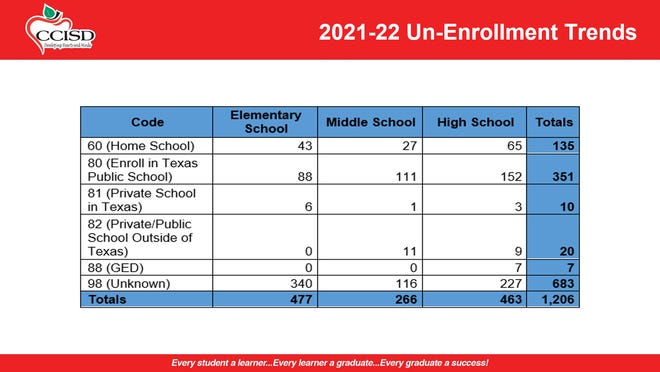
If students are not enrolling in public schools, where are they going? The numbers show that many former public school students are now being homeschooled.

The U.S. Census Bureau found that the percentage of homeschooling households more than doubled in 2020 from 5{e4f787673fbda589a16c4acddca5ba6fa1cbf0bc0eb53f36e5f8309f6ee846cf} in spring to 11{e4f787673fbda589a16c4acddca5ba6fa1cbf0bc0eb53f36e5f8309f6ee846cf} in the fall.  

In Virginia in 2019-20, around 38,000 children were being homeschooled. A year later, in 2020-21, state data showed that the number had risen to nearly 60,000.

According to a recent University of Michigan study, from 2020 to 2021, the enrollment at public schools in Michigan fell by nearly 46,000 students, which represented a more than a 3{e4f787673fbda589a16c4acddca5ba6fa1cbf0bc0eb53f36e5f8309f6ee846cf} drop. Among kindergartners, there was a decrease of more than 11{e4f787673fbda589a16c4acddca5ba6fa1cbf0bc0eb53f36e5f8309f6ee846cf}.

The study found that homeschooling rates jumped substantially in the fall of 2020, with homeschooling accounting “for a majority of Michigan’s students who did not return to the public system.” Importantly, the study noted, “national trends in homeschooling follow a similar pattern.”

The increase in homeschoolers does not come from just a narrow segment of the American population. A University of Washington Bothell analysis found, “The diversity of homeschoolers in the U.S. mirrors the diversity of all students nationally,” including all racial, religious, political, and income groups.

For instance, the Census Bureau found that among African-American households, the increase in homeschooling was much steeper than in the country as a whole, rising from 3{e4f787673fbda589a16c4acddca5ba6fa1cbf0bc0eb53f36e5f8309f6ee846cf} to 16{e4f787673fbda589a16c4acddca5ba6fa1cbf0bc0eb53f36e5f8309f6ee846cf}, a five-fold jump.

This increase in African-American homeschooling is not surprising given recent research by McKinsey & Company that found “Students in majority Black schools ended the [2020-21 school] year with six months of unfinished learning.”

Demetria Zinga, one of the country’s top African-American homeschool YouTubers, says, “I believe homeschooling is growing and exploding amongst African Americans, and there will be more and more homeschoolers.”

She believes that this growth will be facilitated by “more resources available, in general, but also with regard to the African-American community, in particular, especially online that make it easier for people to homeschool.”

Homeschool mom Magda Gomez, an immigrant from Mexico, has become an activist for homeschooling in the Hispanic community.

She observes: “We Hispanics as a culture are usually very protective and loving towards our children. However, I explain that love is not enough to raise our children. We have to educate ourselves in different areas [of education], especially since we are not in our [native] country but are immigrants.”

“It is my dream,” she says, “to see more Hispanic families doing homeschool.” Her dream is coming true with homeschooling doubling among Hispanic households, from 6{e4f787673fbda589a16c4acddca5ba6fa1cbf0bc0eb53f36e5f8309f6ee846cf} to 12{e4f787673fbda589a16c4acddca5ba6fa1cbf0bc0eb53f36e5f8309f6ee846cf}.

In addition to the racial diversity of homeschoolers, in 2021, the school-choice organization EdChoice found: “Many parents of children with autism, ADHD, and other neuro-developmental disorders report that public schools cannot effectively address their child’s specialized learning needs.”

As opposed to the rigid structure that schools often impose on special-needs children, homeschooling allows parents to address their children’s particular needs.

Pediatric nurse and homeschool mom Jackie Nunes unenrolled her special-needs daughter from public school, saying, “There just wasn’t enough of the things that matter—time, attention, patience, persistence, passion, support.”

Viewing the growth of homeschooling, Virginia homeschool leader Yvonne Bunn says, “I think it will permanently change the landscape of education. I don’t think it will ever go back to the way it was before.”

The COVID-19 pandemic has exposed all the flaws in the one-size-fits-all public schools, which is why the homeschooling boom is shaking up American education.

• Lance Izumi is senior director of the Center for Education at the Pacific Research Institute. He is the author of the new book The Homeschool Boom: Pandemic, Policies, and Possibilities.